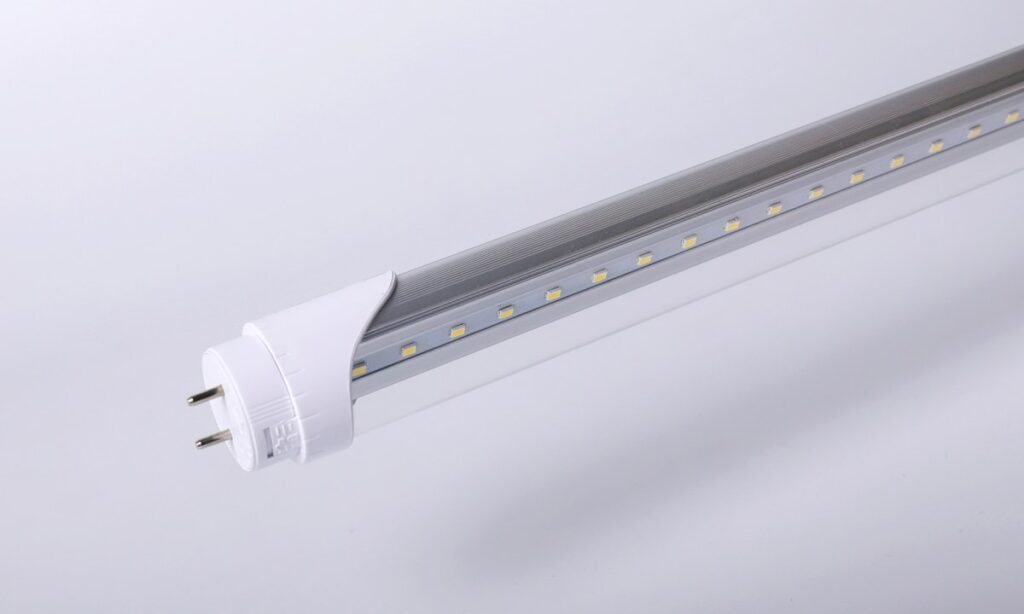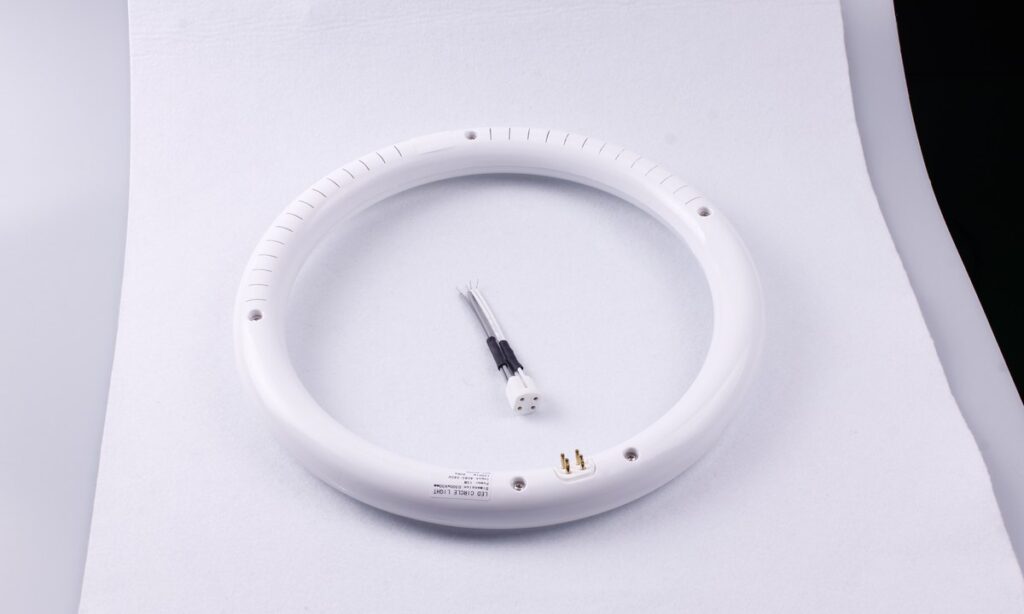


For most indoor growing projects, an LED grow light is the most practical starting point because its output, spectrum and controls can be configured for many canopy sizes and production methods. The best light, however, is not defined by lamp color, wattage or the words “full spectrum.” It is the system that delivers the crop’s required photons across the complete canopy, on the correct schedule, while fitting the room’s heat, humidity, electrical and maintenance limits.
That choice begins with the plant and its environment. Identify the crop, growth stage, canopy area, daylight contribution, available mounting distance and target photoperiod. Then compare products using spectral power distribution, PPF, canopy-level PPFD maps, DLI, uniformity and control behavior. This process makes LED, fluorescent and HID options comparable without relying on marketing shortcuts.
Start With the Plant and the Available Daylight
Indoor lighting either supplements daylight or replaces it. A greenhouse that receives strong but seasonally variable sunlight has a different task from a windowless vertical farm. A houseplant displayed in an office also has a different target from leafy greens grown for commercial harvest.
Define these inputs before choosing a fixture:
- species and cultivar;
- seedling, vegetative, flowering or fruiting stage;
- canopy length, width and expected height;
- planting density and aisle layout;
- usable daylight by season and time of day;
- target photoperiod and required dark period;
- temperature, humidity, airflow and water exposure;
- production, propagation, display or plant-maintenance objective.
Crop-specific guidance should set the target range. A value copied from another species or growth stage is not a dependable lighting recipe. The grow-light fundamentals guide provides a useful introduction to how horticultural lighting fits different growing tasks.
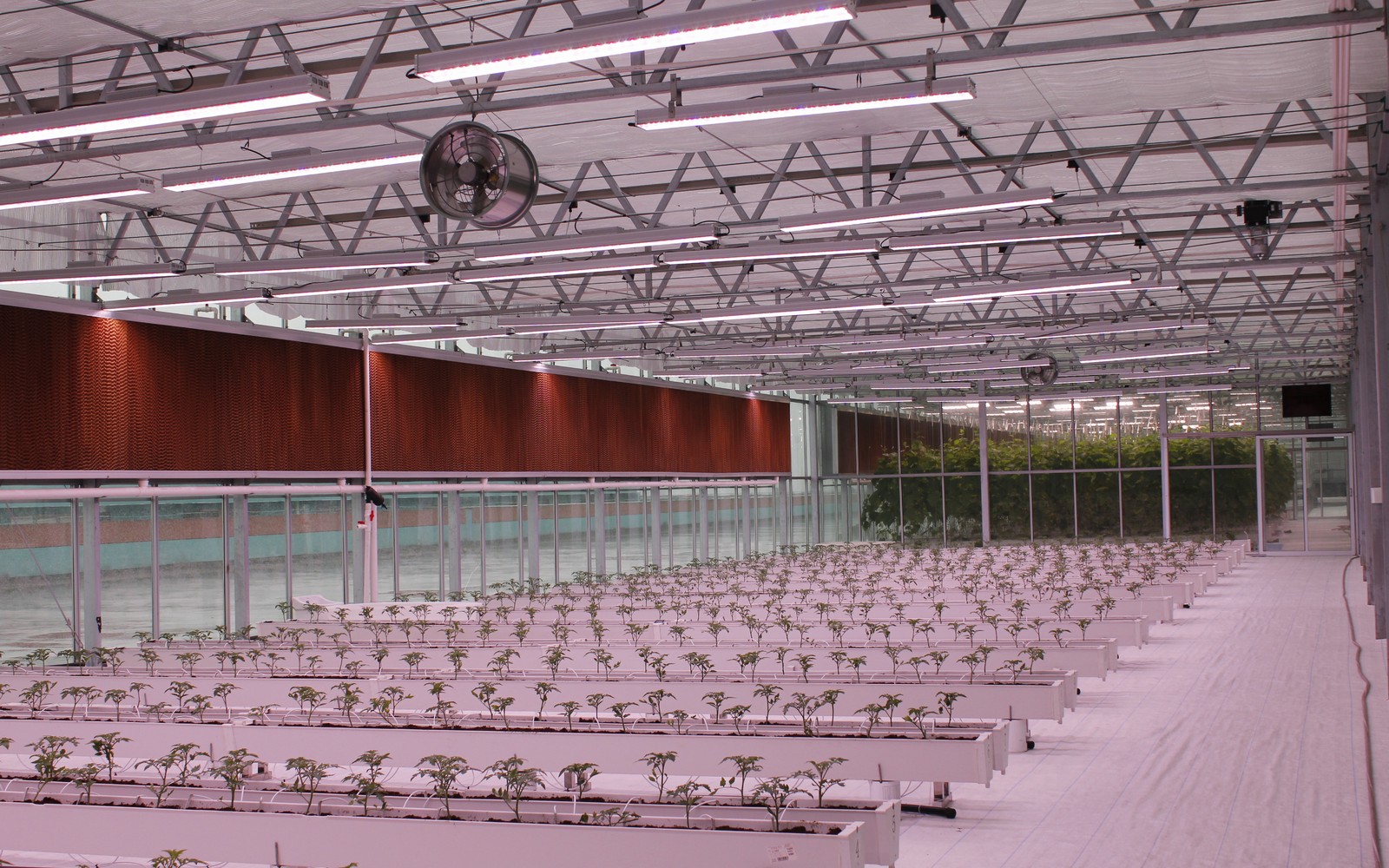
Compare LED, Fluorescent and HID as Complete Systems
LEDs are widely used because they can combine directional delivery, dimming, compact construction and different spectral packages. Those category advantages do not make every LED fixture suitable. A low-output strip can leave a crop underlit, while an intense fixture can create a center hotspot, excess heat at the canopy or wasted light outside the bed.
Fluorescent lamps have served propagation shelves, seedlings and low-to-moderate-light plants. Their long emitting area can provide close, even coverage in a small space, but ballast energy, lamp depreciation, maintenance and replacement availability belong in the comparison.
HID systems have historically delivered high output in greenhouses and grow rooms. Their optical distribution, warm-up behavior, radiant and convective heat, control limits and HVAC impact must be assessed together with photon delivery. Comparing nominal wattage alone hides these differences.
| Light source | Where it can fit | Main checks before selection |
|---|---|---|
| LED grow light | Shelves, rooms and greenhouses needing configurable output or controls | Exact spectrum, PPF, photon efficacy, PPFD map, dimming behavior, driver location and thermal limits |
| Linear fluorescent | Small shelves, propagation and existing low-output installations | Lamp and ballast condition, canopy uniformity, replacement supply, heat and total system power |
| HID | High-output greenhouse or room applications with suitable infrastructure | Optics, mounting clearance, warm-up, heat load, controls, lamp maintenance and HVAC impact |
| Daylight plus electric light | Greenhouses and perimeter spaces with useful natural light | Seasonal daylight measurement, control strategy, shade operation and supplemental-light schedule |
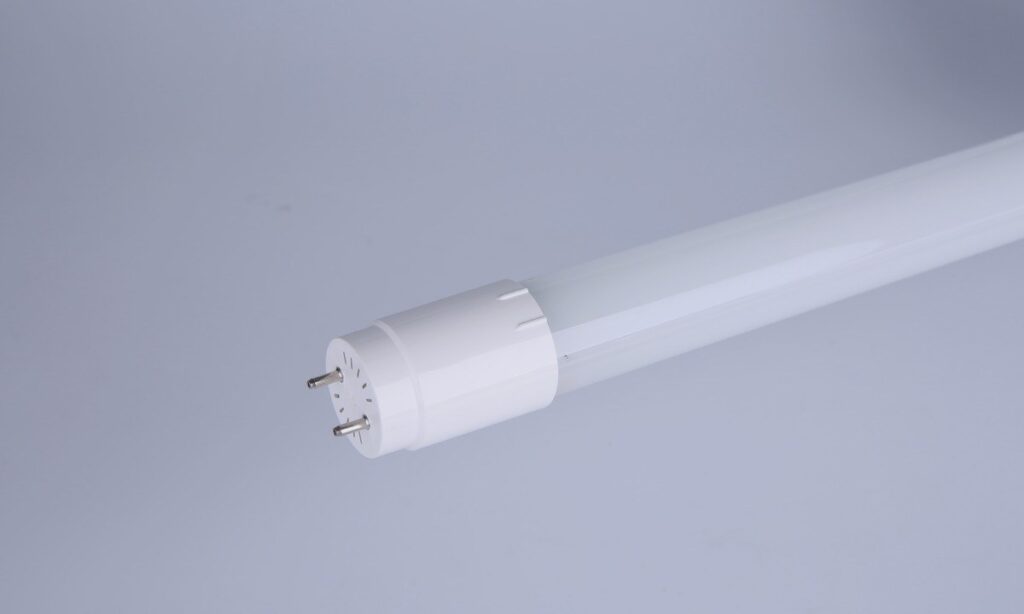
An existing fluorescent installation may be a candidate for a retrofit, but changing the source does not automatically preserve distribution or crop response. The LED tube versus fluorescent tube comparison explains the electrical and fixture questions that also matter before a retrofit is approved.
Use PPF, PPFD and DLI for Different Questions
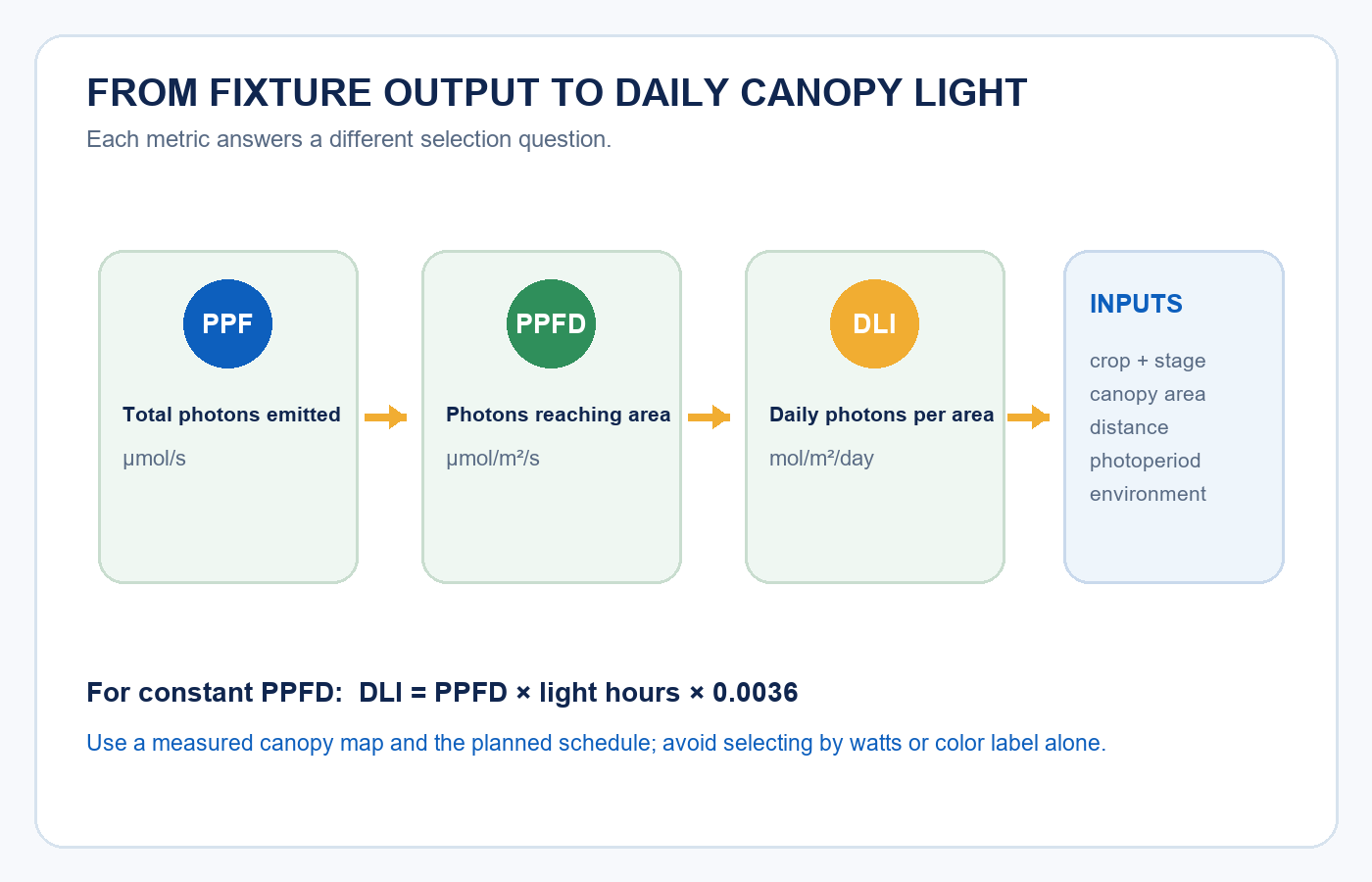
Plant-light metrics are related, but they are not interchangeable.
PAR commonly refers to photosynthetically active radiation in the 400–700 nm range. Research and some current reporting methods may also discuss photons beyond that traditional range, so a specification should state which wavelength interval is being measured.
PPF, or photosynthetic photon flux, describes the total quantity of photosynthetic photons emitted by a source each second. It is a source-output metric. It does not show how much of that output reaches the crop.
PPFD, or photosynthetic photon flux density, describes the photon flux arriving at a unit area. It changes with mounting height, optics, fixture spacing, reflections and the measurement position. A center PPFD value can look impressive while the edges of the crop remain underlit.
DLI, or daily light integral, describes the total photosynthetic photon delivery over a day. At constant PPFD, it can be calculated as:
DLI (mol/m²/day) = PPFD (µmol/m²/s) × light hours × 0.0036
The same DLI can be produced by different combinations of intensity and time, but plant response can still differ. A 2023 controlled-environment review found that intensity and photoperiod schedules can affect crops even when spectrum and DLI are similar. DLI should therefore be used with crop, stage, spectrum and schedule—not as a universal recipe.
Why Watts, Lumens and Lux Cannot Select a Grow Light Alone
Electrical watts describe input power. Two fixtures with the same wattage can differ in spectrum, driver efficiency, thermal losses, optics and the portion of output that reaches the canopy. Watts are needed for electrical and operating-cost calculations, but they are not a plant-light target.
Lumens and lux weight light according to human visual sensitivity. They are useful for spaces occupied by people, but different spectra can receive different lumen or lux values even when their plant-relevant photon delivery is similar. Research on ornamental indoor plants therefore evaluates spectral power distribution, PPFD and DLI alongside human-visual metrics.
Photon efficacy, expressed in µmol/J, connects PPF with electrical input and helps compare conversion efficiency. It still does not replace a canopy map. A highly efficient fixture can be poorly matched to the bed if its optics, height or spacing send light outside the growing area.
Treat “Full Spectrum” as a Starting Description
“Full spectrum” has no single universal recipe. It often describes a broad white or white-plus-red output that appears more natural than a narrow red-and-blue mixture, but the label does not state how photons are distributed across wavelengths.
Request the spectral power distribution for the exact model and operating setting. If the fixture has independently controlled channels, review each channel and the combined spectrum. Broad white light can help workers inspect leaf color and navigate the growing area. Targeted wavelength combinations may support a crop-specific research or production goal. Neither approach is automatically superior without the biological and operational context.
Plants use light for photosynthesis and as developmental signals. Blue, green, red and far-red regions can influence morphology, leaf expansion, flowering and other responses, with results varying by species, cultivar, stage and intensity. Statements such as “blue for leaves and red for flowers” are too simple to function as a complete recipe. The full-spectrum versus red-blue grow-light guide examines that trade-off in more detail.
Match Coverage and Mounting Height to the Canopy
A grow light must serve the complete canopy, not only the plant directly below its center. Moving a fixture closer usually raises local PPFD and reduces the footprint. Moving it farther can broaden the footprint while lowering intensity. The correct height is the one that produces the required coverage and uniformity within the product’s mounting and thermal limits.
Ask for a PPFD map that states:
- exact fixture and operating setting;
- measurement area and grid spacing;
- distance from the emitting surface to the measurement plane;
- wall, tent or reflection conditions;
- average, minimum and maximum PPFD;
- the map’s wavelength measurement range.
Review the edge and corner values as carefully as the center. In multi-fixture layouts, include overlap between adjacent units. If plants grow toward the fixture, provide adjustment range or dimming so the canopy can remain within the planned intensity range. The horticultural grow-light layout guide covers spacing, measurement grids and representative pilot areas.
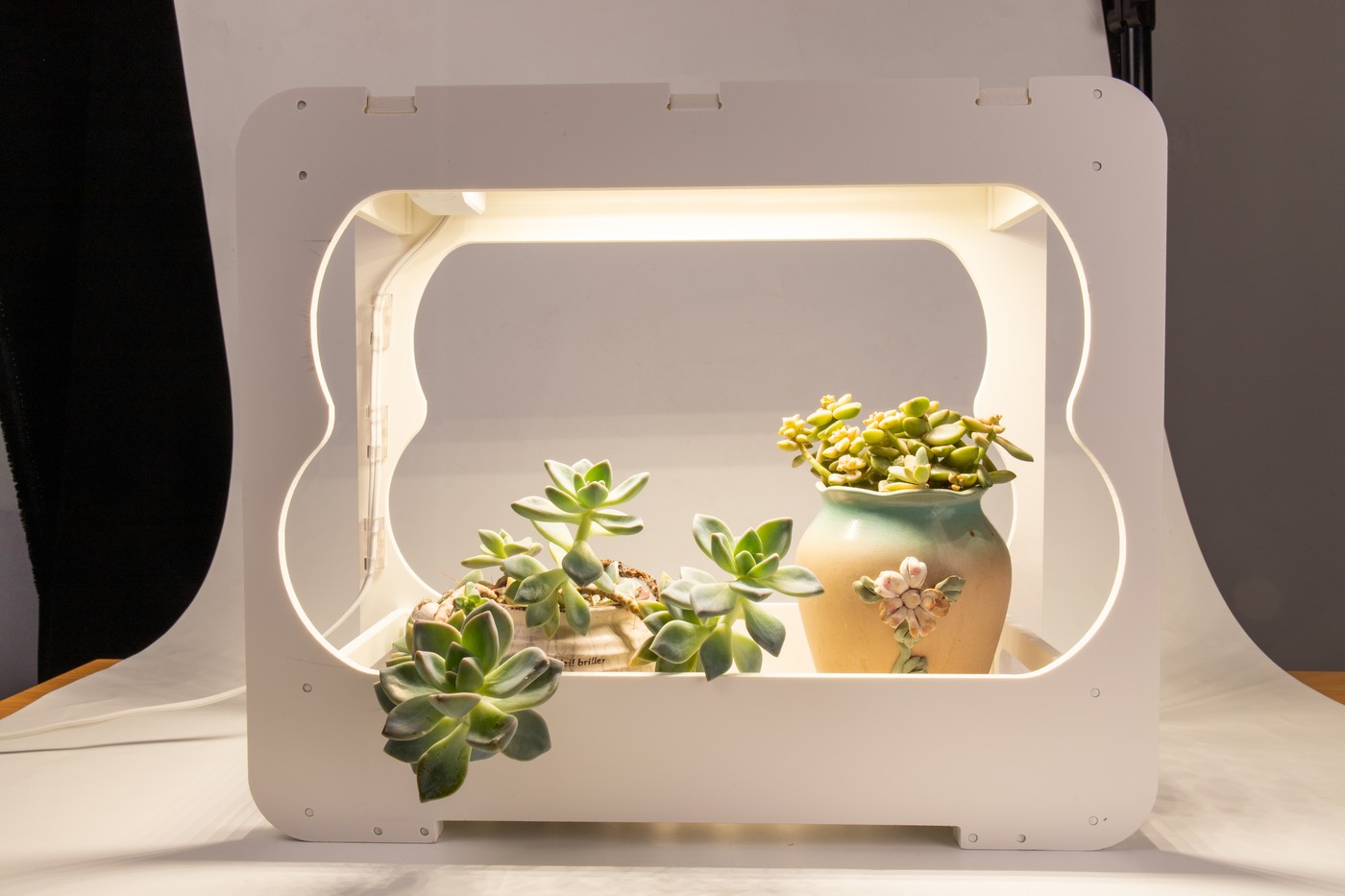
Plan Photoperiod, Darkness and Daylight Controls
Photoperiod is part of the lighting specification. More operating hours are not automatically better. Some plants and development stages depend on a defined dark period, while flowering responses can be sensitive to day length.
Use a timer or control system and record the actual schedule. In a greenhouse, a daylight sensor or control strategy can add electric light when natural contribution falls below the planned range. In a fully enclosed room, the electric system provides the complete daily light input.
Controls must be evaluated as part of the product. Confirm dimming method, minimum stable level, channel behavior, timer recovery after a power interruption and the relationship between dimming percentage and measured output. A screen value of “50%” should not be assumed to equal half the PPFD without measurement.
Include Heat, Humidity and Facility Loads
LED fixtures produce less radiant heat than some legacy high-intensity sources, but their LED boards and drivers still convert part of the input power into heat. Driver position, heat-sink airflow, mounting clearance and ambient temperature affect operation. In stacked shelves, heat from one level can influence the level above.
Plant conditions also depend on leaf temperature, air temperature, humidity, airflow and irrigation. Lighting changes can therefore alter HVAC and dehumidification loads. Include those facility effects when comparing lifecycle cost.
Water exposure, fertilizer residue and cleaning practice influence enclosure and material choices. Verify the environmental rating and installation instructions of the exact luminaire for the intended area. A humid greenhouse, washdown zone and dry indoor display are not equivalent environments.
Follow a Measured Selection Workflow
- Define the crop and stage. Record species, cultivar, development stage, density and desired outcome.
- Measure the growing area. Record canopy dimensions, available height, aisles, shelving and adjustment range.
- Set the target conditions. Use crop-specific evidence for PPFD, DLI, spectrum, photoperiod and dark-period needs.
- Account for daylight. Measure or model seasonal contribution and decide whether electric light supplements or replaces it.
- Compare model data. Review the exact SPD, PPF, photon efficacy and PPFD maps at relevant heights.
- Build the layout. Check average, minimum, maximum, uniformity and light falling outside the canopy.
- Review the facility. Confirm power, controls, temperature, humidity, airflow, mounting and maintenance access.
- Run a representative pilot. Measure canopy conditions, record the schedule and observe crop response before a wider rollout.
When an installed system is not producing the expected result, separate lighting variables from irrigation, nutrients, temperature, humidity and plant health. The indoor grow-light troubleshooting guide provides a structured diagnostic sequence.
Build a Supplier Evidence Package
A useful RFQ connects every performance statement to the exact orderable variant and the proposed layout.
| Evidence item | What it should identify | Buyer review question |
|---|---|---|
| Model and configuration | Fixture, spectrum, driver, control mode and operating setting | Does every report match the proposed variant? |
| Spectral power distribution | Wavelength range, measurement condition and channel setting | Does the graph represent the final operating recipe? |
| PPF and photon efficacy | Total photon output and electrical input | Were both values measured for the same configuration? |
| PPFD maps | Area, grid, height, environment and individual readings | Do edge, corner and average values meet the canopy plan? |
| Electrical and control data | Input, driver, dimming, channels and protection behavior | Is the system compatible with facility power and controls? |
| Thermal and environmental limits | Ambient range, clearance, ingress rating and installation method | Does the product fit the actual room or greenhouse? |
| Compliance documents | Exact model scope and intended market | Do the reports and certificates cover the ordered product? |
| Pilot record | Layout, crop, schedule, measurements and observation period | Can the result be repeated at production scale? |
Current DLC Horticultural Technical Requirements illustrate the value of standardized product identity, testing and reporting for complete LED fixtures and modules. Where a procurement program requires a qualified-products listing or particular reporting method, confirm the current program version and exact model eligibility during submittal review.
Frequently Asked Questions
Are LED grow lights better than fluorescent lights?
LEDs usually provide more choices for spectrum, direction and controls. The better system is the one that meets the canopy PPFD, DLI and uniformity targets while fitting energy, heat, maintenance and budget constraints. Compare complete systems rather than source labels.
Is full-spectrum light best for every plant?
No single spectral recipe is best for every species and growth stage. Review the actual SPD and select it together with intensity, photoperiod, crop response and the visual needs of people working in the space.
How many watts does an indoor plant need?
Watts are not a plant-light requirement. Define the canopy area, target PPFD, DLI and schedule, then select a fixture and layout that deliver those conditions. Use watts afterward to calculate power and operating cost.
Can I use a lux meter for grow lights?
A lux meter can help compare similar white-light sources in a consistent setup, but lux is weighted for human vision. For horticultural selection across different spectra, use an appropriate quantum sensor and review PPFD, DLI and SPD.
How far should a grow light be from the plants?
Use the exact fixture’s PPFD map at the intended setting and match it to the crop target. Recheck the distance as the canopy grows. Manufacturer installation limits, heat and coverage also constrain the mounting position.
How many hours should a grow light run each day?
The schedule depends on PPFD, daylight contribution, crop, stage, target DLI and dark-period requirements. Calculate daily delivery and follow crop-specific guidance rather than applying one duration to every plant.
What should be checked in a grow-light sample?
Confirm model identity, spectrum, output setting, mounting, PPFD map, control behavior, electrical input, temperature and the proposed schedule. Measure a representative canopy and document the pilot conditions so the comparison can be repeated.
Choose the Light With a Canopy-Level Plan
LED is often the most adaptable technology for indoor plants, but “LED,” “full spectrum” and wattage are not enough to select a system. A defensible choice connects crop and stage to measured spectrum, PPF, PPFD, DLI, coverage, photoperiod, controls and operating environment.
For a project review, send New Lights the crop, canopy dimensions, mounting limits, target light conditions and destination market. Those inputs create a clear basis for comparing configurations and planning a representative sample.
Editorial Sources
- Sustainability, “Environmental and Energy Performance of Horticultural Lighting Systems: A Review”: https://www.mdpi.com/2071-1050/15/5/4645
- Sustainability, “LED Light Sources for Ornamental Indoor Plants”: https://www.mdpi.com/2071-1050/11/9/2642
- DesignLights Consortium, “Horticultural Technical Requirements V4.0”: https://designlights.org/our-work/horticultural-lighting/technical-requirements/hort-v4-0/
- DesignLights Consortium, “Horticultural Lighting FAQ”: https://designlights.org/resources/knowledgebase/faq/horticultural-lighting