


 English
 Español
 Deutsch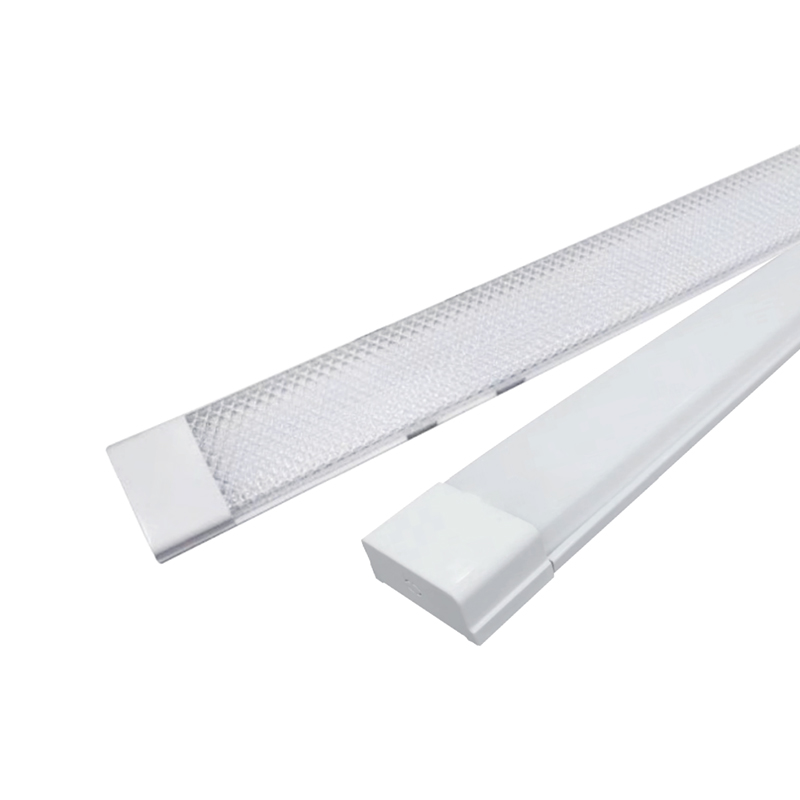
We sincerely look forward to establishing a long-term development partnership with you with good quality and professional services.
Why 3-Inch Recessed Lighting Is Back in Demand
When a homeowner asks for 3-inch recessed lighting, it is rarely about a single fixture. It is usually about a specific problem: a ceiling that is too shallow for a 6-inch housing, a bathroom shower area that needs a clean flush look, or a display cabinet that calls for a small, focused light source. The compact format is not just a passing trend. It is a practical response to modern ceiling constructions and multi-layered lighting plans.
LED technology changed the rules. A compact downlight with a 65–75 mm cut-out can now produce the same brightness that historically required a 6-inch fixture. That changes how you design a ceiling. You can place fixtures more tightly, use them in clusters, or fit them into spots where a larger housing simply will not go.
Compact LED chips, improved drivers, and better heat-dissipation designs now allow 3-inch fixtures to deliver 400–1000 lumens at 6–12 W.
From a design standpoint, smaller trims create less visual noise on the ceiling. In a living room, three or four small recessed lights often look more refined than one large, obtrusive opening. For a contractor, this means more flexibility in layout, as the smaller housing can be positioned closer to walls, showers, and cabinetry.
What Does "3-Inch" Actually Specify?
In the lighting industry, the size description refers to the trim opening, not the physical diameter of the housing. A 3-inch recessed light has an internal trim opening of about 3 inches (76 mm). The recommended cut-out diameter is usually slightly smaller, typically 65–75 mm depending on the manufacturer and the rim design.
Understanding this distinction matters because it determines the size of the hole you need to cut and the type of housing that will fit your ceiling cavity. Some 3-inch fixtures are designed for new construction, where the housing is attached to the ceiling joists before drywall is installed. Others are remodel housings, made for existing ceilings where you cut a hole and push the fixture in from below.
If you are replacing an older incandescent recessed fixture, measure the existing cut-out first. In many residential projects, the original opening is 4 or 6 inches. Going to a 3-inch format requires a smaller hole, which means you may need a drywall repair or an adapter trim to cover the difference.
Key Specifications to Compare
When comparing 3-inch recessed LED lights, the numbers in the table below give you a clear starting point.
| Specification | Typical Range | Why It Matters |
|---|---|---|
| Cut-out Diameter | 65–75 mm | Determines the ceiling hole and housing compatibility |
| Wattage | 6–12 W | Affects energy use and heat dissipation |
| Lumen Output | 400–1000 lm | Defines the perceived brightness |
| Beam Angle | 24°–60° | Controls how focused or wide the light spread is |
| Color Temperature | 2700K–5000K | Sets the mood and application suitability |
| Color Rendering Index | 80–90+ | Shows how accurately colors appear |
Color temperature is one of the most debated choices in residential lighting. For living rooms and bedrooms, 2700K–3000K gives a warm, relaxing atmosphere. For bathrooms, kitchens, and workspaces, 3500K–4000K feels more neutral and crisp. If you are not sure which setting your client will prefer, a tunable fixture allows you to change the CCT with a switch or remote.
One practical approach is to choose a tunable CCT slim backlit light and let the end user adjust from warm to neutral at any time.
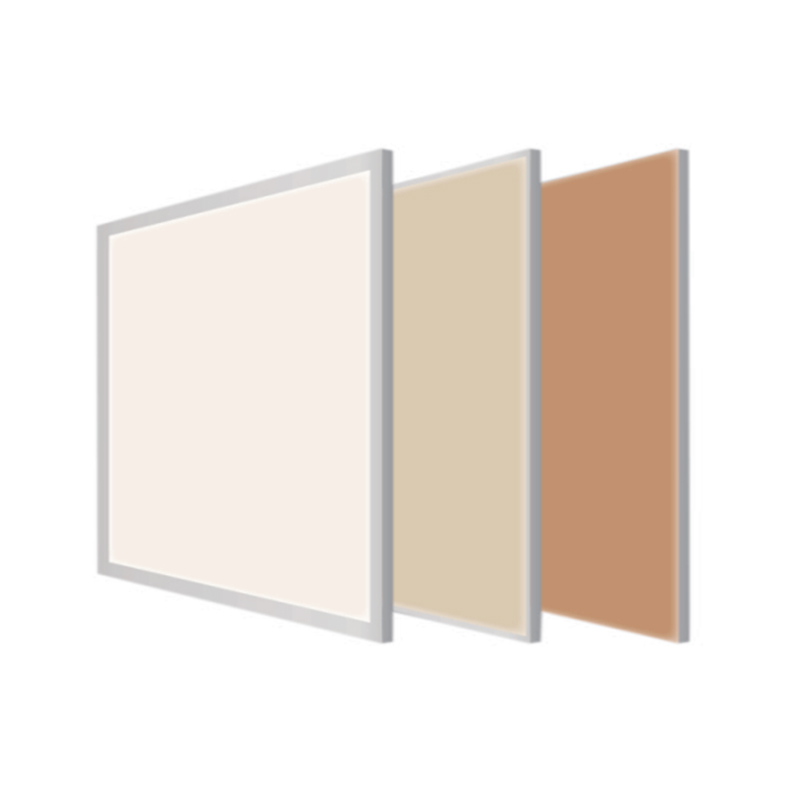 CCT Tunable Slim Backlit Light for Adjustable Warm-to-Neutral LightingThis slim backlit fixture offers adjustable color temperature from warm to cool, letting users customize ambiance. Its compact size enables versatile placement in tight spaces, suitable for residential and commercial interiors.View Product →
Where to Use 3-Inch Recessed LED Lights
The compact size opens up several application scenarios that would be difficult or less attractive with a larger fixture.
- Bathrooms: Above showers or in niches, a 3-inch fixture can be positioned where a larger trim would be conspicuous. Choose a wet-rated or damp-rated housing for these areas.
- Kitchens: Above counters or islands, a narrow beam angle creates focused task light exactly where it is needed.
- Living rooms: Clustered small fixtures can replace one large central fixture, providing more even and layered illumination.
- Display cases: A narrow 24° or 36° beam highlights jewelry, art, or collectibles without wide spill.
- Low-ceiling spaces: If the ceiling depth is limited, short 3-inch housings fit where 6-inch options cannot.
For a general-purpose 3-inch downlight with clean trim and a driver integrated into the housing, the compact LED downlight is the most common starting point.
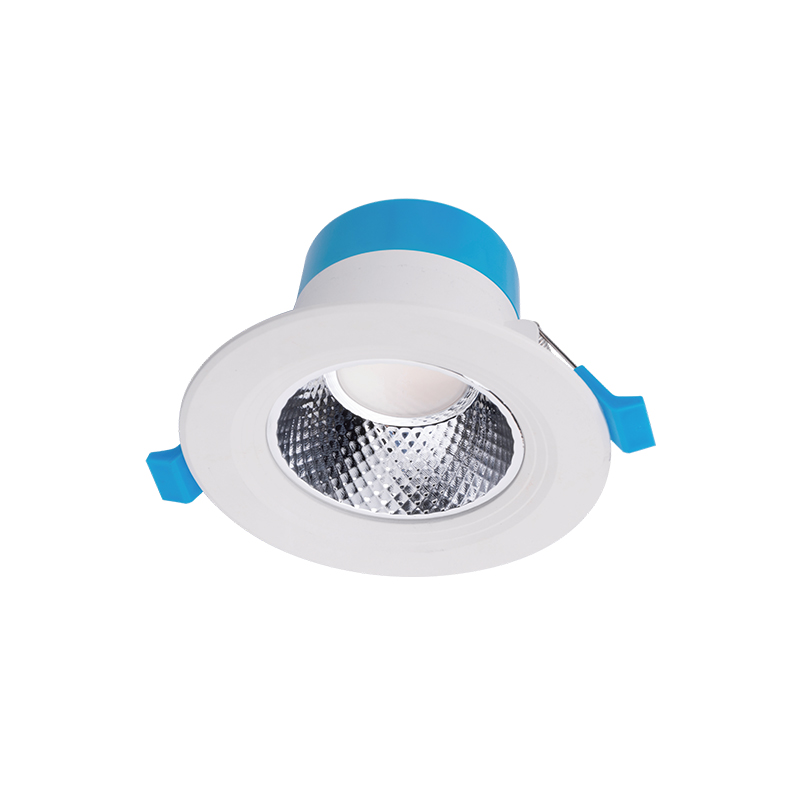 Compact LED Downlight with Integrated Driver for General UseThis 3-inch downlight features a clean trim and integrated driver, offering flicker-free, dimmable lighting with high CRI. It suits residential and commercial spaces, but consider installation factors before ordering.View Product →
Installation Considerations
Before you order fixtures, there are a few installation factors that can change your product choice.
- New construction vs remodel: New-construction housings are screwed into ceiling joists before drywall. Remodel housings are installed from below into an existing opening.
- Ceiling depth: A 3-inch fixture does not automatically mean a shallow housing. Check the total fixture height and compare it with the space between the ceiling surface and the floor above.
- IC rating: If the fixture will be in contact with insulation, it needs to be IC-rated to prevent fire risk.
- Junction box and wiring: Most 3-inch fixtures come with a small junction box for the supply connection. Confirm the location of this box, as it may need to be accessible.
- Damp vs wet locations: For shower areas, you need a wet-rated or damp-rated fixture. A standard dry-location fixture will not hold up in high humidity.
Do not trust the size label alone. Always verify the cut-out diameter before purchasing. Some products labelled as 3-inch actually require a slightly larger or smaller opening depending on the rim design.
For a more detailed look at how recessed panel lights and downlights are changing ceiling design, see our breakdown of how LED panels and downlights are modernizing ceiling lighting design.
How to Choose the Right 3-Inch Fixture
Choosing a 3-inch recessed light becomes easier when you break it down into four steps.
- Measure the cut-out. Determine the ceiling hole size you can safely make or already have. The fixture should match this opening exactly, or you will need an adapter.
- Match lumens to the room. A 600-lumen fixture works for a small bathroom or a corridor. For a living room with multiple fixtures, 700–1000 lumens each is more appropriate.
- Select the color temperature. Warm 2700K suits living areas, 3000K works well in bedrooms and dining rooms, and 3500K–4000K is common for bathrooms and kitchens.
- Check dimming compatibility. Confirm that the LED driver supports the dimmer you plan to use. Many compact drivers are TRIAC-compatible, but it is always worth verifying.
If the ceiling cut-out in your project is extremely tight, the small panel light is a compact practical option for low-profile installations.
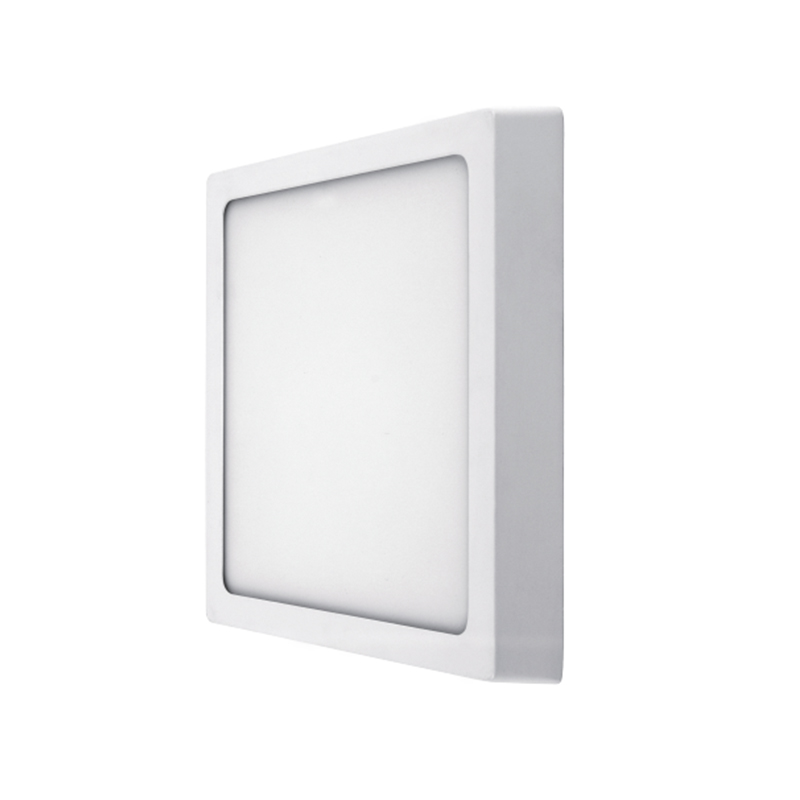 Compact LED Panel Light for Tight Ceiling Cut-OutsThis small panel light is designed for tight ceiling cut-outs, offering recessed or suspended installation. With tri-color selectable and dimmable options, it provides flexible lighting for low-profile spaces.View Product →
Before finalizing the specification, it is also useful to review our broader guide on how to choose the right LED lighting to avoid common mistakes.
Frequently Asked Questions
Q1: What is the difference between a 3-inch and a 4-inch recessed light?
The main difference is the visible trim opening and the required ceiling cut-out. A 3-inch fixture has a smaller opening, which makes it less obtrusive in low ceilings and better suited for tight spaces like bathrooms or display cases. A 4-inch fixture provides a slightly larger illuminated area and is more often used for general room lighting.
Q2: How many lumens do I need from a 3-inch recessed LED?
For a small bathroom or a corridor, 400–600 lumens per fixture is usually enough. For a living room with multiple fixtures, you can use 700–1000 lumens each, depending on room size and the desired overall brightness.
Q3: Are 3-inch recessed lights suitable for new construction?
Yes. Many manufacturers offer new-construction housings for 3-inch fixtures. These are installed before drywall and are typically IC-rated. For existing ceilings, use a remodel housing.
Q4: Can I replace a 4-inch recessed fixture with a 3-inch one?
Not directly. The cut-out sizes are different. If your existing ceiling hole is 4 inches, you would need an adapter ring or must stay with a 4-inch fixture. The 3-inch format requires a smaller opening.
Q5: Do 3-inch LED recessed lights need a transformer?
Most modern 3-inch recessed LED fixtures have a built-in driver. They connect directly to line voltage, so no separate transformer is required. You do need a dimmer switch that is compatible with LED loads if you plan to dim them.
 GET IN TOUCH


