


 English
 Español
 Deutsch
We sincerely look forward to establishing a long-term development partnership with you with good quality and professional services.
Ordering LED replacements for a recessed ceiling can usually lead you to two abbreviations: PAR30 and BR30. They look similar in a spec sheet, share the same screw base, and both carry the label reflector. Yet they are not interchangeable in practice. BR30 works better for broad room lighting because its beam spreads widely. PAR30 works better for accent lighting because its beam stays tight and controllable. The choice changes beam spread, trim fit, and how deep the bulb sits inside the can. Start with the function you need, then narrow the size to the fixture.
Quick answer: choose a BR bulb for wide, general illumination in a ceiling can. Choose a PAR bulb for a tighter, aimable beam used for accents or outdoor security.
What Do BR and PAR Actually Mean?
The names come from the reflector construction. BR means Bulged Reflector. The bulb flares outward at the middle, and the inside is coated with a reflective material. That broad, rounded face distributes light over a wide angle. R is the older label for the same family, and you will still find R20, R30, and R40 bulbs on some shelves.
PAR means Parabolic Aluminized Reflector. The reflector is a shallow parabola, and the front is flat. This geometry concentrates light into a parallel stream. Depending on the lens, the result is a spot beam or a controlled flood beam. A PAR38 used for landscape lighting and a PAR20 used for track lighting both rely on that same directional behavior.
The size number tells you the bulb diameter in eighths of an inch. BR30 is 30/8 of an inch, or about 3.75 inches across. PAR38 is 38/8 of an inch, or about 4.75 inches across. The same rule applies to PAR20, PAR30, BR20, BR40, and every other code on the box.
Core Differences: Beam, Shape, and Depth
The primary difference is beam angle. A narrow PAR30 spot can produce a beam of only 10 to 15 degrees. A PAR30 flood reaches around 35 to 45 degrees. BR30 bulbs, in comparison, commonly emit 55 to 95 degrees. The wide spread is why BR bulbs are often called flood lamps.
Shape differences affect how the bulb interacts with the trim. A BR30 has a bulged profile that flares at the side, and it is usually taller. The light face sits closer to the lens, so the bulb may extend past the rim of a shallow can. A PAR30 has a flatter face and a more compact length. It typically sits higher and more flush inside the can, which makes it a safer bet for a deep baffle trim.
For outdoor wet locations, the flat face of a PAR bulb has an advantage. The sealed glass front resists moisture better than the open gap around some BR shapes. This is one reason why PAR38 and PAR30 appear so often in exterior fixtures and wall washers.
Size and Beam Comparison Table
| Bulb Type | Diameter | Beam Angle | Typical Use |
|---|---|---|---|
| BR20 | 2.5 in | 55-90° | Small recessed cans, bar tabs |
| BR30 | 3.75 in | 55-95° | Kitchen, hall, living room |
| BR40 | 5.0 in | 60-100° | High ceilings, large cans |
| PAR20 | 2.5 in | 10-45° | Track lighting, wall accent |
| PAR30 | 3.75 in | 10-45° | Recessed spot, outdoor soffit |
| PAR38 | 4.75 in | 10-45° | Outdoor flood, display windows |
Use the diameter code to confirm the bulb fits the trim. Once the size is fixed, compare the beam angle before ordering.
Where Each Bulb Type Works Best
PAR for Controlled Accent and Outdoor Use
PAR bulbs shine when you need to aim light at a painting, a shelf, or an architectural feature. A narrow beam places the light exactly where you intend without flooding the surrounding wall. PAR38 outdoor fixtures with a wet or damp rating are also the default choice for security floodlighting, garage soffits, and landscape lighting because the directional beam keeps light on the walkway. For a closer look at available sizes, see the PAR series LED SMD bulbs product page.
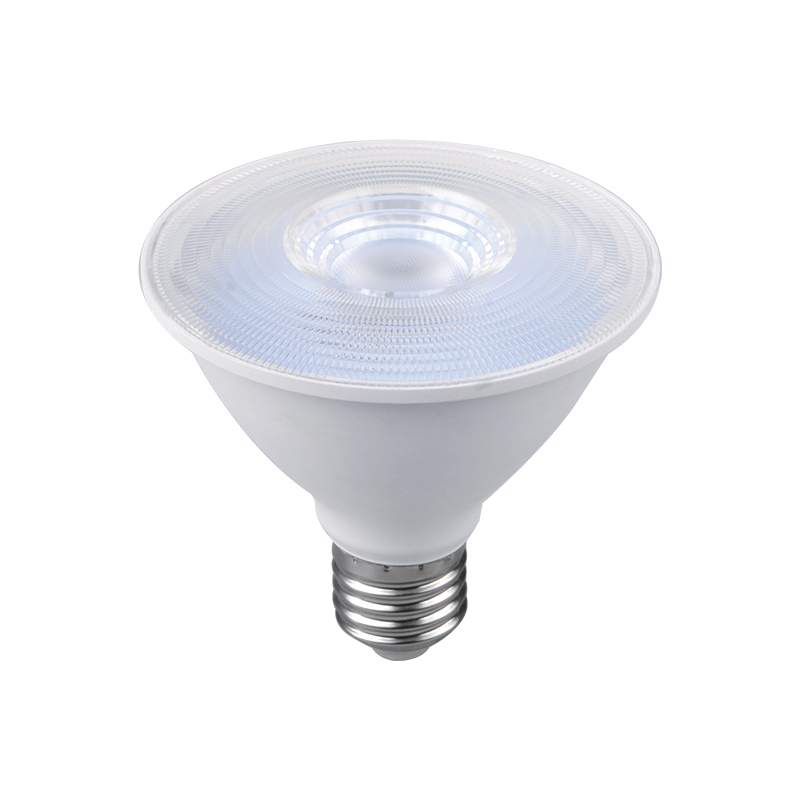 PAR Series LED SMD Bulbs for Directional LightingFind PAR bulbs designed for narrow beams that focus light on paintings, shelves, or outdoor security. The page lists dimmable, flicker-free options with high CRI for indoor use.View Product →
BR for Wide Ambient Lighting
BR bulbs create softer, broader distribution. They are better for recessed cans in the living room, kitchen, hallway, or dining room where you want even illumination across a large area. The wide beam usually needs fewer fixtures to reach the same average brightness. The edge of the beam is also softer, which avoids the hard shadow line that a narrow spot can cast on a wall. The R series LED SMD bulbs page organizes the BR and R options that fit this role.
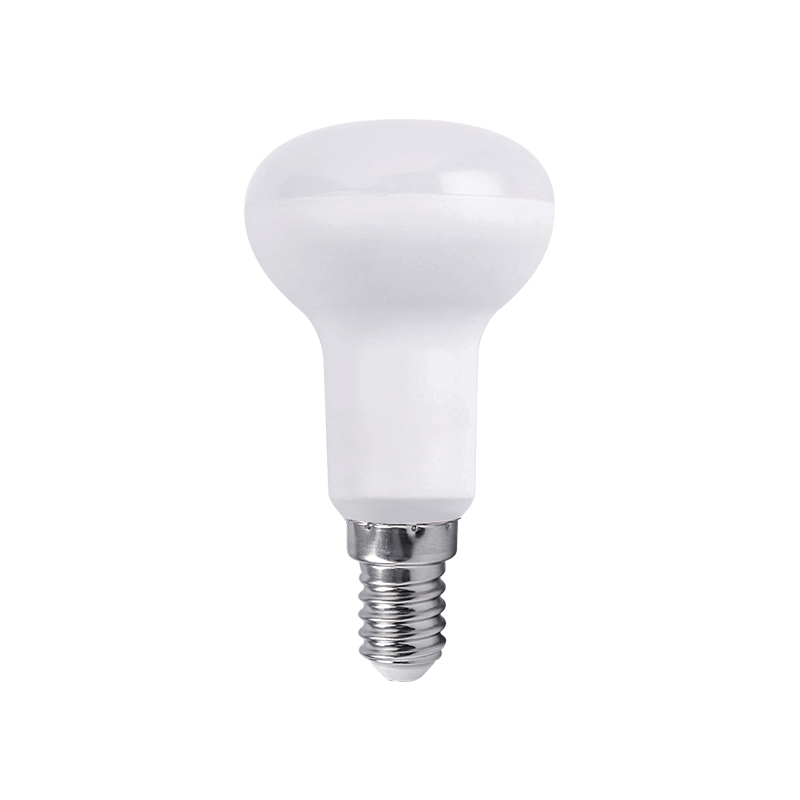 R Series LED SMD Bulbs for Broad, Even IlluminationExplore BR and R bulbs with wide beam spread, ideal for recessed cans in living rooms or kitchens. These options provide soft edges and reduced fixture count for even brightness.View Product →
Plant Lighting with BR30/PAR38
In horticulture, both shapes appear on the same shelf. The BR30/PAR38 grow bulbs line exists precisely because the user must choose between a wide cover for a bench or a focused canopy for a single plant. Use BR30 for wide benches and PAR38 for individual pots or rows that need deeper penetration.
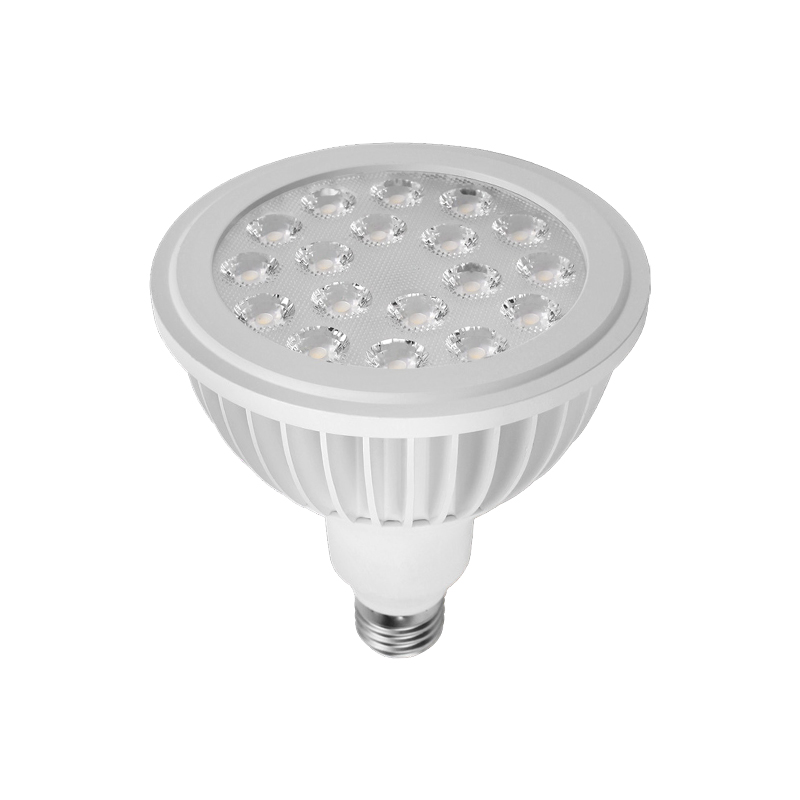 BR30 and PAR38 LED Grow Bulbs for HorticultureCompare BR30 and PAR38 grow light shapes for indoor gardening. The page covers full-spectrum, flicker-free options with long lifespan, suitable for greenhouses and hydroponics.View Product →
Specifications That Matter Beyond the Shape
Color Temperature
2700K creates a warm, amber light that feels relaxed. 3000K is a neutral warm for kitchens and hospitality. 4000K and 5000K are cooler and work for display and task areas. The LED retrofit guide for bulb shapes and tube formats places CCT against the same fixture types you are comparing.
CRI
For residential dining, boutique retail, or any place where skin tones matter, choose a CRI of 90 or above. For a garage or an exterior security zone, a CRI around 80 is acceptable and usually more affordable.
Dimming
LED dimming depends on the driver inside the bulb and the wall dimmer in front of it. A phase-cut dimmable version is the safest conventional choice. If you use a smart dimmer, confirm that the bulb supports Zigbee, Wi-Fi, or Bluetooth control before ordering.
Enclosed Fixture Rating
Not every LED reflector bulb can survive inside a fully enclosed can. Heat builds up, and the LED driver may overheat. Look for an enclosed fixture rated label on the product page before sealing the bulb.
Common Compatibility and Purchasing Mistakes
- Oversizing for the trim. Putting a BR40 into a BR30 can causes clearance problems. The diameter difference is about 1.25 inches, which can make the larger bulb hit spring clips or the trim. Measure the trim, then match the diameter code.
- Choosing a narrow spot for general light. A 20-degree beam looks like a flashlight at eye level and casts harsh shadows. If you need the room lit, choose a wide-angle PAR flood or a BR bulb.
- Voltage mismatch. Many commercial PAR bulbs are rated for 120 V or 277 V. Installing a 120 V bulb on a 277 V line will destroy the driver. Verify the line voltage and the product rating before installation.
Frequently Asked Questions
Q1: Can I use a BR30 in a PAR30 fixture?
The base is the same, so technically it can screw in. The problem is the trim. A BR30 is usually deeper and may extend below the trim, while a PAR30 sits more flush. Check the fixture's listed depth and diameter first.
Q2: Which is better for kitchen lighting, BR30 or PAR30?
BR30 is the better choice for general kitchen lighting because it spreads across the countertop. Use PAR30 if you need to highlight a single display area or a cooking zone.
Q3: What do the numbers in BR30 and PAR38 mean?
They represent the bulb's diameter in eighths of an inch. BR30 is 30/8 or 3.75 inches, and PAR38 is 38/8 or 4.75 inches.
Q4: Do LED PAR and BR bulbs last longer than halogen versions?
Modern LED reflector bulbs can reach 25,000 hours or more, versus roughly 2,000 hours for halogen PAR versions. The driver is the most common failure point, so check the enclosed fixture rating if you plan to seal the bulb.
Q5: Can I use LED PAR bulbs outdoors?
Yes, if the bulb carries a wet or damp location rating. PAR38 is one of the most common outdoor floodlight shapes, and the flat face helps seal against moisture.
The smartest purchase decision is not about finding a bulb that fits the socket. It is about matching the beam to the job. For wide, general lighting in a ceiling can, BR30 or BR40 is the natural fit. For spot lighting, display lighting, or outdoor security, PAR20, PAR30, or PAR38 delivers the control you need. Start with the fixture trim and the beam angle before you look at the shape code, and you will avoid the most common swapping problem.
 GET IN TOUCH


