


 English
 Español
 Deutsch
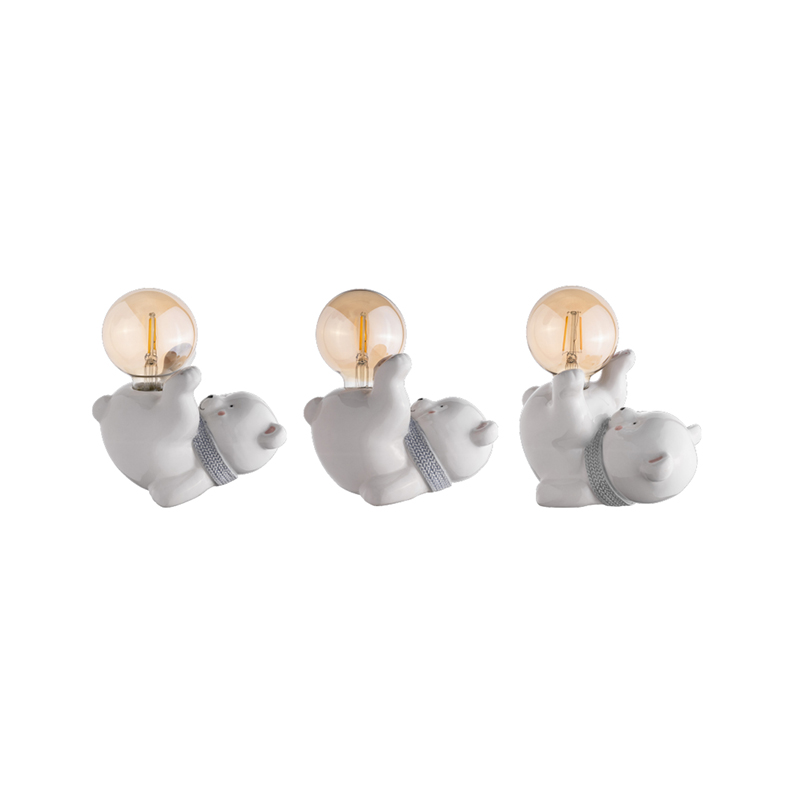
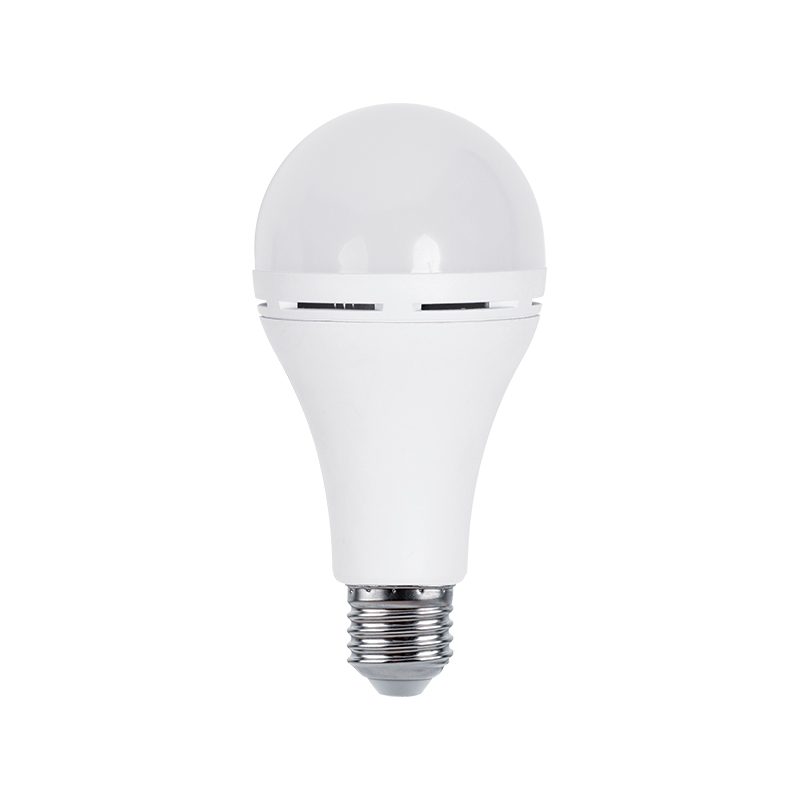
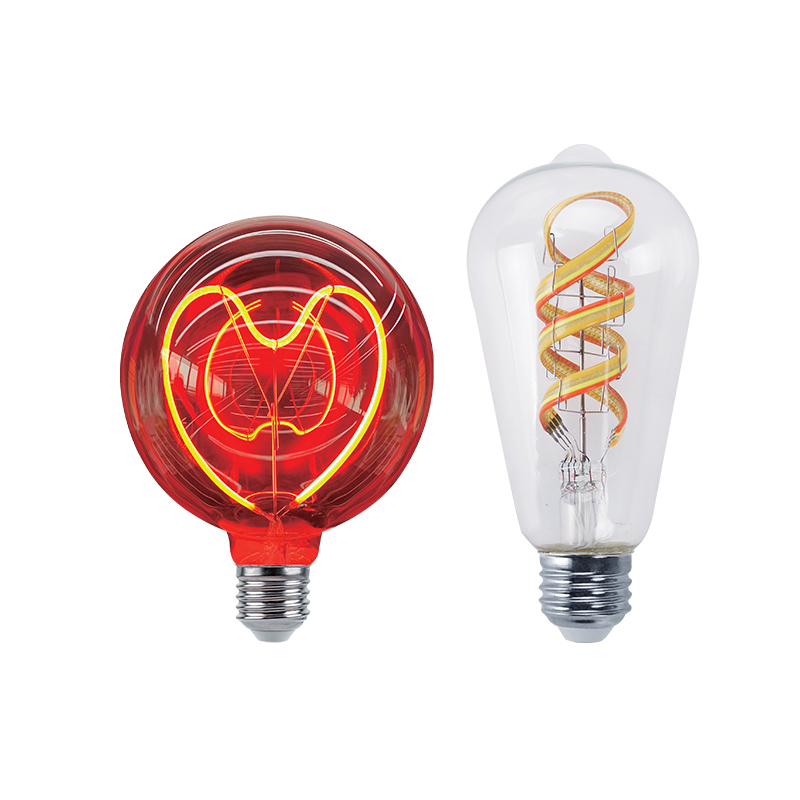
We sincerely look forward to establishing a long-term development partnership with you with good quality and professional services.
Whether you are upgrading a home, retrofitting a commercial space, or simply replacing a burned-out fixture, understanding the differences between bulb types, base styles, and tube formats can save you significant time, money, and energy. This guide walks through every major LED replacement category with real-world performance data, selection criteria, and installation insight.
Why LED Replacement Matters: The Numbers Behind the Switch
The global lighting market crossed $140 billion in 2023, with LED products accounting for more than 60% of all new installations. That shift is driven not by marketing, but by measurable performance advantages that compound over time.
75%
Less energy used vs. incandescent
25x
Longer rated lifespan
90%
Less heat emitted per lumen
50,000+
Operating hours (commercial grade)
These figures apply across the full spectrum of LED products, from a standard lamp bulb in a bedside table to high-output linear tubes in a warehouse ceiling. The replacement decision is rarely just about swapping technology; it is about re-engineering how a space uses light.
Understanding Bulb Shapes and Base Types Before You Buy
One of the most common purchasing mistakes is confusing lumen output with wattage, or ordering the wrong base type. The following overview clarifies the most widely used formats.
The A19 Standard: Most Common Residential Replacement
A19 led light bulbs follow the ANSI designation where "A" indicates the arbitrary (pear) shape and "19" indicates the bulb diameter in eighths of an inch, giving roughly 2.375 inches. This is the standard screw-base bulb found in table lamps, ceiling fixtures, and open pendants across most homes built in the last 80 years.
Key A19 Specs to Compare When Buying:
- Lumen output: 800 lm replaces a 60W incandescent; 1,100 lm replaces 75W; 1,600 lm replaces 100W
- Color temperature: 2700K (warm white) for living areas; 3000K for kitchens; 4000K-5000K for task lighting
- CRI (Color Rendering Index): 80+ for general use; 90+ for artwork or retail display
- Base type: E26 (medium screw) is standard in North America; E27 in Europe
- Dimmability: Confirm compatibility with your dimmer switch model before purchase
Other Common Bulb Shapes in LED Format
| Shape Code | Typical Use | LED Equivalent Wattage | Base Type |
|---|---|---|---|
| A19 | Table lamps, ceiling fixtures | 8W - 14W | E26 / E27 |
| A21 | High-output floor lamps | 14W - 22W | E26 / E27 |
| BR30 | Recessed can lights | 9W - 13W | E26 |
| PAR38 | Outdoor floods, track lighting | 13W - 18W | E26 / GU24 |
| MR16 | Display, accent lighting | 5W - 7W | GU5.3 / GU10 |
| G25 Globe | Vanity, decorative pendants | 5W - 8W | E26 |
| Candelabra | Chandeliers, sconces | 4W - 7W | E12 / E14 |
4-Foot LED Light Bulbs and Linear Tube Formats Explained
Linear fluorescent fixtures remain one of the most common light sources in commercial buildings, schools, warehouses, and garages. Replacing them with 4 foot led light bulbs — more precisely, 4-foot LED tubes — is one of the highest-ROI upgrades available in commercial lighting.
How 4-Foot LED Tubes Differ from Fluorescent
Traditional fluorescent 4-foot tubes (T8 and T12 formats) require a ballast to regulate current. LED replacements either work with the existing ballast (Type A), bypass it (Type B), or use a fixture designed from the ground up for LED (Type C). Each approach has distinct trade-offs.
Energy Savings from 4-Foot LED Tube Upgrades
A standard 4-foot T12 fluorescent tube consumes about 40 watts including ballast losses. A direct LED replacement typically draws 15 to 18 watts. In a warehouse with 200 fixtures running 10 hours a day, that translates to:
- Annual energy savings: approximately 18,250 kWh per year
- Carbon reduction: roughly 12.8 metric tons CO2 equivalent annually
- Payback period: typically 18 to 36 months depending on local electricity rates
T5 Light Bulbs: The Slim-Profile Tube for High-Bay and Accent Applications
T5 light bulbs occupy a specific niche in the linear lighting market. The "T" designation stands for tubular, and "5" means the tube diameter is 5/8 of an inch — noticeably slimmer than the T8 (1 inch) or T12 (1.5 inch) profiles. This compact form factor makes T5 fixtures popular in applications where space, aesthetics, or high lumen density matter.
Where T5 LED Tubes Excel
High-Bay Industrial Display Case Lighting Under-Cabinet Strips Retail Shelf Lighting Gymnasium Ceilings Task Lighting Fixtures
T5 vs T8 vs T12: A Practical Comparison
| Attribute | T5 LED | T8 LED | T12 LED |
|---|---|---|---|
| Tube Diameter | 5/8 inch (16mm) | 1 inch (25mm) | 1.5 inch (38mm) |
| 4-ft Tube Wattage (LED) | 14W - 20W | 12W - 18W | 15W - 22W |
| Lumen Output (typical) | 2,000 - 2,900 lm | 1,600 - 2,400 lm | 1,400 - 2,000 lm |
| Efficacy (lm/W) | 110 - 150 | 95 - 140 | 80 - 110 |
| Best Application | High-density, task | General commercial | Legacy replacement |
| Fixture Availability | Moderate | Very wide | Declining |
When choosing between tube sizes for a new installation, T5 LED fixtures deliver the highest lumen-per-fixture-footprint ratio, making them ideal when ceiling space is constrained or when clean, architectural aesthetics matter. For straight replacements in legacy systems, T8 remains the most accessible format.
LED Lighting Tubes: A Complete Format and Application Overview
Beyond the T5 and T8 formats, the world of LED lighting tubes spans several additional configurations. Understanding the full range helps avoid costly mismatches between tube, fixture, and driver.
U-Bend LED Tubes
U-bend tubes are two-foot fluorescent tubes folded into a U-shape, commonly used in troffers with a 6-inch leg spacing. LED versions are available as Type A (ballast compatible) and Type B (direct wire). They typically replace 32W to 40W fluorescent U-lamps with 14W to 22W LED equivalents.
High-Output (HO) LED Tubes
High-output T5HO and T8HO tubes are used where a standard tube cannot deliver sufficient light levels. T5HO 4-foot tubes can produce 4,000 to 5,000 lumens at 28W to 35W, making them suitable for gymnasium lighting, industrial quality inspection areas, and professional photography studios.
Circular and Specialty LED Tubes
Circular fluorescent tubes (FC8, FC12) found in older ceiling fixtures and some flush-mount luminaires also have LED equivalents. Though less common, they are an important category for heritage building renovation where fixture replacement is not feasible.
Installation Pathway Diagram
The Lamp Bulb Category: Specialty and Decorative LED Options
The term lamp bulb in a technical context refers to any self-contained light source unit, encompassing incandescent, halogen, CFL, and LED variants. In the LED era, this category has expanded dramatically to include filament-style decorative LEDs, smart bulbs, and full-spectrum horticultural variants.
Vintage Filament LED Bulbs
Visible LED filament designs replicate the aesthetic of Edison-era bulbs while consuming 4 to 8 watts instead of 40 to 60 watts. These use amber-tinted glass to create warm 2200K to 2400K color temperatures. They are primarily decorative and are not recommended for task lighting due to their lower lumen output relative to energy use.
Smart LED Lamp Bulbs
Wi-Fi and Zigbee-enabled LED lamp bulbs allow color temperature adjustment (typically 2700K to 6500K) and brightness control via smartphone or voice assistant. Adoption in residential settings exceeded 800 million units globally by 2024. Key considerations include:
- Hub requirement: some protocols need a dedicated hub; others connect directly to a 2.4 GHz Wi-Fi network
- Latency: important for synchronized multi-room lighting scenarios
- Privacy: smart bulbs that connect to cloud services transmit usage data; local-only protocols offer better data control
- Reliability: smart features should not be the single point of failure; test manual override options
Full-Spectrum and Horticultural LED Lamp Bulbs
Grow light LED lamp bulbs provide targeted wavelengths to support photosynthesis. High-efficiency models cover both the 400-500 nm (blue) range for vegetative growth and the 620-700 nm (red) range for flowering. Unlike standard white LEDs, horticultural bulbs measure output in micromoles per second per square meter rather than lumens.
Color Temperature and CRI: The Two Numbers That Define Light Quality
Lumen count tells you how bright a bulb is. Color temperature and CRI tell you whether that brightness makes a space look good and function well.
What CRI Actually Affects
CRI measures how accurately a light source renders colors compared to a reference source (sunlight). The scale runs from 0 to 100. Here is how different CRI ranges affect real-world applications:
| CRI Range | Color Accuracy | Recommended Applications |
|---|---|---|
| Below 70 | Poor | Industrial storage, parking lots |
| 70 - 79 | Acceptable | Stairwells, corridors, warehouses |
| 80 - 89 | Good | Offices, classrooms, general retail |
| 90 - 95 | Excellent | Clothing retail, art galleries, kitchens |
| 96 - 100 | Near-perfect | Medical, jewelry, professional photography |
Note that higher CRI often corresponds to slightly reduced lumen efficacy. A 95 CRI LED may produce 10 to 15% fewer lumens per watt than an equivalent 80 CRI bulb of the same wattage — a trade-off worth making when color accuracy is critical.
Calculating Your Actual Return on Investment
A rough payback estimate requires only four data points: current wattage, LED replacement wattage, daily operating hours, and local electricity cost. This section walks through both residential and commercial scenarios.
Residential Example: 20-Bulb Home Retrofit
- Existing: 20 x 60W incandescent bulbs (A19 format), running 4 hours per day
- LED replacement: 20 x 9W A19 LED bulbs
- Wattage reduction: 20 x (60 - 9) = 1,020W saved
- Annual savings at 4 hr/day: 1.02 kW x 4 hr x 365 days = 1,489 kWh per year
- At $0.13/kWh average US rate: approximately $194 saved annually
- LED bulb cost at $4 each: $80 total upfront; payback in under 5 months
Commercial Example: Office Floor with 80 Troffers
- Existing: 80 troffers with 2 x T8 fluorescent tubes each (32W per tube + 10W ballast = 74W per fixture)
- LED replacement: 80 troffers with Type B T8 LED (2 x 17W per fixture = 34W)
- Wattage reduction: 80 x (74 - 34) = 3,200W saved
- Annual savings at 10 hr/day, 5 days/week: 3.2 kW x 2,600 hr = 8,320 kWh per year
- At $0.10/kWh commercial rate: $832 saved annually
- Tube and labor cost estimate: $4,200; payback in approximately 5 years, with utility rebates often reducing this by 30 to 50%
Utility Rebate Tip: Most US utilities offer commercial LED retrofit rebates ranging from $0.05 to $0.25 per kWh saved annually. Check your utility's online rebate portal before finalizing your procurement plan — rebates can cut your payback period by 30 to 60%.
Common Installation Mistakes and How to Avoid Them
Even straightforward LED replacements can go wrong. The following issues appear repeatedly in field reports from both residential and commercial retrofits.
Mistake 1: Ignoring Fixture Enclosed Rating
LED bulbs generate less heat than incandescent but still require heat dissipation. Placing a non-enclosed-rated LED in a fully enclosed fixture traps heat around the driver, shortening lifespan by 30 to 60%. Always check the "suitable for enclosed fixtures" rating on the packaging before installation.
Mistake 2: Using Non-Compatible Dimmers
Leading-edge (incandescent-era) dimmer switches often cause flickering, humming, or limited dimming range with LED bulbs. Trailing-edge or LED-compatible dimmers are required for smooth operation. Many A19 LED bulb manufacturers publish a compatibility list on their product pages — always verify before purchasing dimmers or bulbs.
Mistake 3: Mismatching T5 and T8 Pin Bases
T5 tubes use a G5 bi-pin base (5mm spacing), while T8 tubes use a G13 bi-pin base (13mm spacing). These are physically incompatible and cannot be swapped without changing the lamp holders. This is the most common error in tube-to-tube replacements when sourcing from unfamiliar suppliers.
Mistake 4: Over-Lamping Low-Bay Fixtures
Installing high-lumen T5HO tubes in a fixture rated for standard T5 tubes can exceed the fixture's thermal and electrical ratings. Always match the tube's wattage to the fixture's maximum rated wattage.
Mistake 5: Neglecting Lumen Depreciation
LED output decreases slowly over time. The L70 rating indicates how many hours a lamp operates before reaching 70% of its initial lumen output. A bulb with an L70 rating of 25,000 hours is not "dead" at that point — it simply outputs 30% less light. For critical applications like surgical suites or inspection stations, factor in a 15 to 20% lumen maintenance buffer when specifying initial output requirements.
Certifications and Standards: What Labels to Look For
The lighting industry uses several third-party certifications to validate performance claims. Understanding what each label means helps distinguish genuine high-performance products from specification-inflated alternatives.
ENERGY STAR
Certifies efficiency and longevity. Requires minimum 3-year warranty, lumen maintenance above L70 at 25,000 hours for residential bulbs. Indicates a product has passed independent performance testing.
DLC Listed
DesignLights Consortium qualification is required for most US utility rebate programs in the commercial sector. Products must meet minimum efficacy thresholds, currently above 90 lm/W for most categories.
UL / ETL
Safety certifications verifying electrical and fire safety compliance. Required for legal sale in North America. Absence of UL or ETL marks on any LED fixture or tube should raise an immediate red flag.
LM-79 / LM-80
IESNA photometric test standards. LM-79 tests the complete luminaire output; LM-80 tests the LED component's lumen maintenance over 6,000 hours. Both are required for credible performance data sheets.
Disposal and Sustainability: Closing the Loop on LED Replacement
Unlike fluorescent tubes, LED products contain no mercury, making disposal less hazardous. However, they do contain lead in solder, arsenic in some semiconductor compounds, and valuable rare earth elements including indium, gallium, and phosphors derived from cerium and europium. Responsible disposal matters both environmentally and economically.
Recycling Options for LED Products
- Municipal hazardous waste programs: Most counties in the US accept LED bulbs at periodic drop-off events at no charge
- Retailer take-back programs: Several major home improvement and hardware retailers maintain in-store collection bins for CFL and LED bulbs
- Commercial recycling services: For large-volume commercial retrofits involving hundreds or thousands of fluorescent tubes, dedicated lamp recycling vendors provide certified manifest documentation confirming responsible processing
- Manufacturer return programs: Some LED manufacturers offer end-of-life take-back provisions — check the product documentation or manufacturer website
From a lifecycle perspective, LED bulbs break even on embodied carbon energy within 1 to 2 months of operation versus the incandescent they replace, making longevity the most important sustainability factor. A 25,000-hour LED bulb will prevent the manufacture and disposal of approximately 20 to 25 incandescent bulbs over its lifetime.
Frequently Asked Questions
Q1: What wattage LED bulb replaces a 60-watt incandescent A19?
An 8W to 10W A19 LED bulb is the standard equivalent to a 60W incandescent. Look for a product rated at 800 lumens minimum. The wattage reduction alone saves approximately $7 to $9 per bulb per year at average US residential electricity rates.
Q2: Can I use a 4-foot LED tube in any fluorescent fixture?
Not without first identifying the replacement type. Type A LED tubes require a compatible electronic ballast — they will not work with old magnetic ballasts. Type B tubes require bypassing the ballast entirely, which involves minor rewiring. Always identify your fixture's ballast type before purchasing LED tube replacements.
Q3: What is the difference between T5 and T8 tubes, and does it matter for retrofits?
Yes, it matters significantly. T5 and T8 tubes use different pin base sizes (G5 vs G13) and are physically incompatible. You cannot install a T5 LED tube into a T8 fixture without replacing the lamp holders and re-evaluating the fixture's thermal rating. For retrofits, always match the LED tube format to the existing fixture format unless you are replacing the entire luminaire.
Q4: Why do some LED bulbs flicker with my existing dimmer switch?
Flickering typically occurs when a leading-edge dimmer designed for incandescent loads is paired with an LED bulb. Incandescent dimmers operate by cutting power at the leading edge of each AC cycle, which can cause LED drivers to behave erratically. The solution is to replace the dimmer with a trailing-edge or LED-rated dimmer switch. Some LED bulbs also publish dimmer compatibility lists — checking these before purchase prevents the issue entirely.
Q5: How do I know if an LED product qualifies for a utility rebate?
For commercial installations, the most reliable indicator is DLC (DesignLights Consortium) qualification. Products listed on the DLC QPL (Qualified Products List) automatically qualify for rebates through the vast majority of North American utility programs. For residential programs, ENERGY STAR certification is the most universally recognized qualifier. Always verify with your specific utility before purchasing, as rebate amounts and eligible categories change periodically.
Q6: What does the L70 rating mean, and why does it matter when buying LED tubes?
L70 is a standardized lumen maintenance rating that indicates the number of operating hours before an LED product drops to 70% of its original brightness output. A product with an L70 rating of 50,000 hours maintains usable light levels far longer than one rated at 15,000 hours. For commercial or industrial installations where lighting levels are critical to safety or productivity, specifying a high L70 rating reduces the frequency of re-lamping and associated labor costs.
Q7: Are higher-CRI LED bulbs noticeably better in everyday use?
For most general-purpose lighting, the difference between 80 CRI and 90 CRI is subtle but real, particularly when viewing colored fabrics, food, or skin tones. At 95 CRI and above, the difference becomes clearly noticeable — colors appear more vivid and natural, shadows are softer, and the overall visual environment feels more comfortable. The upgrade cost is typically $1 to $3 per bulb, making it worthwhile for kitchens, living rooms, and retail environments where visual quality matters.
 GET IN TOUCH


