


 English
 Español
 Deutsch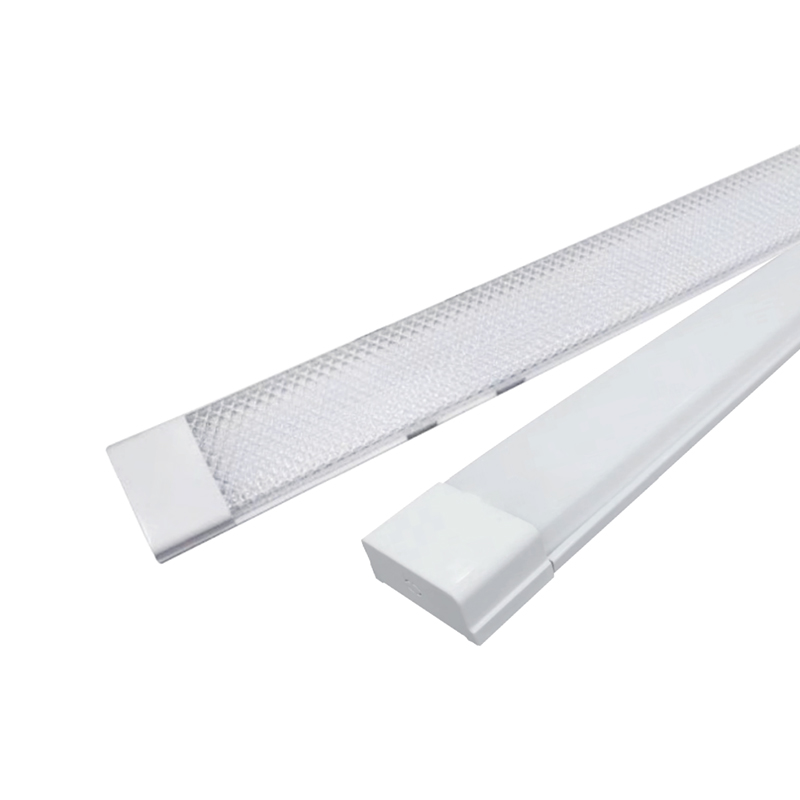
We sincerely look forward to establishing a long-term development partnership with you with good quality and professional services.
How Kelvin Measures the Color of Light
Every light source has a color signature, and the unit used to describe that signature is Kelvin (K). Kelvin does not describe how hot a bulb feels to the touch; it describes the visual warmth or coolness of the light it emits, based on the glow a theoretical heated object would produce at a given temperature. A low Kelvin value looks amber and cozy, while a high Kelvin value looks crisp, blue-white, and alert.
Lighting manufacturers, architects, and photographers all rely on Kelvin as a shorthand because it is measurable, repeatable, and comparable across products. When a spec sheet lists a value between 2700K and 3000K, the fixture will read as warm white. When the number climbs past 5000K, the light starts to resemble daylight streaming through a window.
Why Kelvin, Not Lumens, Defines "Daylight"
Lumens measure brightness, not color, which is why two bulbs with identical lumen output can look completely different in a room. A 3000K bulb and a 6500K bulb can both output 1000 lumens, yet one will feel like candlelight and the other will feel like an overcast noon sky. This distinction matters for anyone comparing what color temperature is daylight against warmer, more traditional lighting.
- Low Kelvin (2000K-3000K): amber, relaxing, associated with sunrise, sunset, and incandescent bulbs
- Mid Kelvin (3500K-4500K): neutral white, common in kitchens and workspaces
- High Kelvin (5000K-6500K): daylight white, associated with midday sun and clear skies
- Very high Kelvin (7000K+): cool blue tones, similar to overcast or shaded daylight
What Kelvin Is Daylight? Pinpointing the Exact Range
The most common answer to what kelvin is daylight is a range between 5000K and 6500K. This band corresponds to the light measured outdoors under a clear midday sun, which is why it became the reference point for daylight-rated products. Within the lighting industry, 5000K is often labeled "daylight" or "natural white," while 6500K is labeled "cool daylight" or sometimes "cloudy day white."
Products engineered to replicate this band are used far beyond general lighting. A sun simulator light is built specifically to reproduce this spectrum with high accuracy for testing, photography, and research environments where consistent daylight conditions must be recreated indoors, regardless of the weather or time of day.
To understand where daylight sits relative to other common light sources, the chart below compares Kelvin values across everyday lighting, from candlelight to a clear blue sky.
Figure 1: Approximate Kelvin values of common indoor and outdoor light sources.
5000K vs 6500K Daylight: Which Should You Choose?
Within the daylight category, the choice between 5000K and 6500K is the most frequent question buyers face. Both are legitimately "daylight," but they behave differently depending on the task. 5000K is closer to warm midday sun and is often preferred where skin tones, printed material, or fabric colors need to look natural without an overly clinical edge. 6500K leans cooler and brighter in appearance, which tends to support alertness and is common in workspaces, laboratories, and inspection stations.
| Attribute | 5000K Daylight | 6500K Daylight |
|---|---|---|
| Visual Tone | Neutral white, slightly warm | Crisp, blue-white |
| Best For | Color matching, retail, print proofing | Task focus, offices, inspection |
| Perceived Brightness | Balanced | Higher perceived brightness |
| Eye Comfort (long sessions) | Generally easier for extended viewing | Can feel intense in dim rooms |
| Typical CRI Range | 90-98 | 85-96 |
The radar chart below plots both temperatures across five practical attributes, making the trade-offs easier to visualize side by side.
Figure 2: Relative performance of 5000K and 6500K daylight across five common attributes (scale: center = low, edge = high).
How Natural Daylight Color Temperature Shifts Through the Day
Understanding daylight kelvin temperature also means recognizing that natural daylight is not a fixed number. Outdoor light shifts dramatically from sunrise to sunset, moving from warm amber tones near the horizon to cool, high-Kelvin light at midday, then back to amber as the sun sets. Artificial daylight products attempt to approximate the midday portion of this curve, which is the most stable and consistent segment of the cycle.
Figure 3: Approximate outdoor color temperature curve from early morning to evening.
This is why indoor daylight fixtures are engineered to hold a fixed 5000K-6500K output rather than drift with the sun. A stable value gives interiors, studios, and workspaces a predictable daylight reference no matter the actual weather or hour outside.
Benefits of Daylight Color Temperature in Real Environments
Daylight-rated lighting is chosen for more than aesthetics. Facilities that rely on accurate visual assessment, from clinics to print shops, favor daylight color temperature because it renders colors closer to how they appear under natural sun. Offices and study spaces often adopt it to help occupants stay alert during long indoor stretches, particularly in rooms with limited window access.
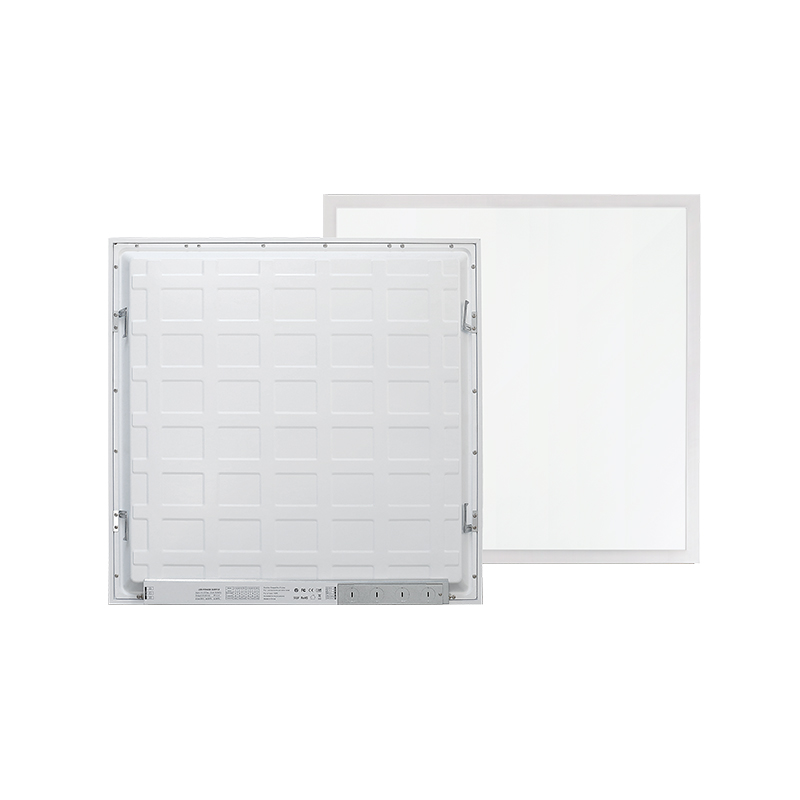
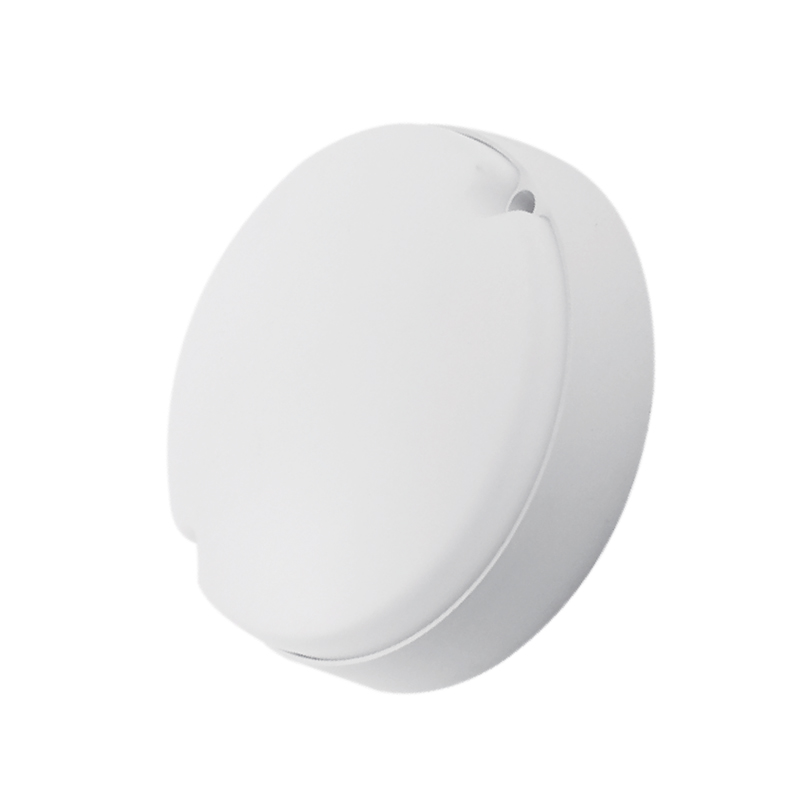
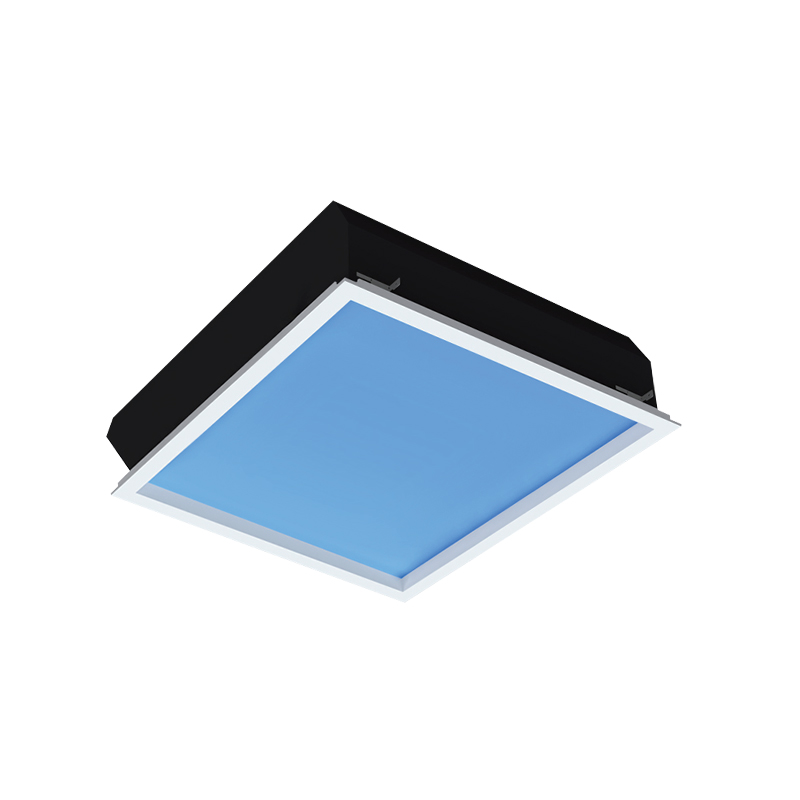
Ceiling-mounted led panels & downlight fixtures are a common way to bring this color range into offices, retail floors, and healthcare settings, since they distribute even, shadow-free daylight-toned illumination across a wider area than a single point-source lamp.
A consistent daylight reference point matters most in rooms where color judgments are made repeatedly throughout the day, since even small shifts in color temperature can change how the same object appears from morning to afternoon.
Color rendering accuracy is a major reason certain applications demand daylight temperature over warmer alternatives. The column chart below compares typical Color Rendering Index (CRI) expectations across four common daylight-lit environments.
Figure 4: Typical CRI values associated with daylight-rated lighting by application type.
Selecting the Right Daylight LED Bulbs and Artificial Daylight Lamps
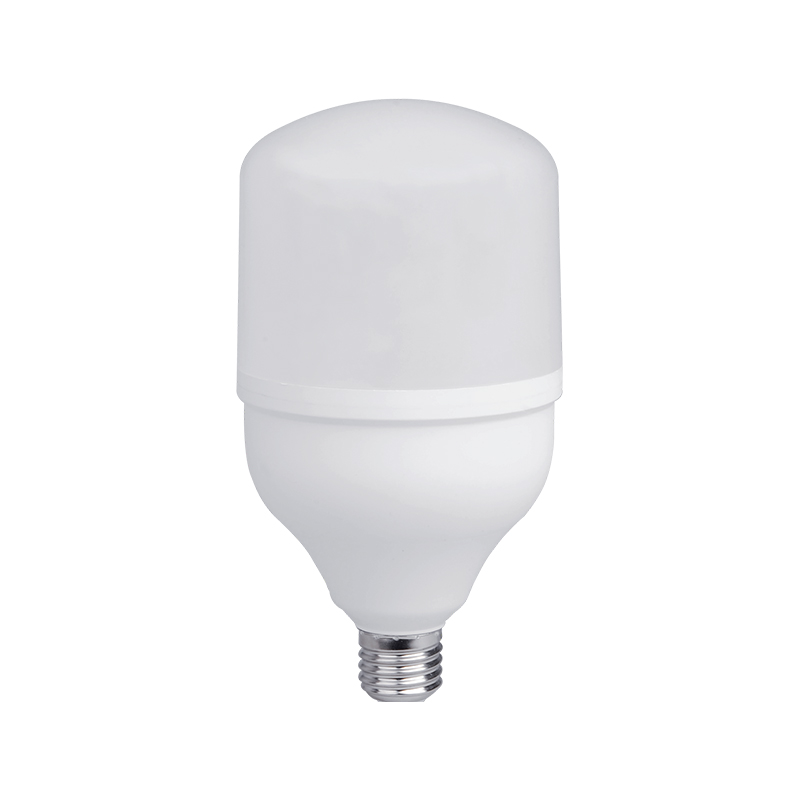
Choosing between daylight LED bulbs, panel fixtures, and specialized sun simulation equipment depends heavily on the task at hand and how much of the room's natural light already contributes to the space. A compact fixture built from led smd bulbs is often enough for desk lamps, display cases, and accent lighting, while larger rooms typically need panel or downlight coverage instead.
The flowchart below outlines a practical decision path for narrowing down the right daylight fixture type.
Figure 5: A simplified decision path for selecting daylight-rated lighting.
| Space Type | Recommended Range | Common Fixture |
|---|---|---|
| Home Office / Study | 5000K - 6500K | Panel or SMD desk bulb |
| Photography / Video | 5000K - 5600K | Sun simulation lighting |
| Retail Display | 4000K - 5000K | Downlight or accent bulb |
| Laboratory / Inspection | 6000K - 6500K | Overhead panel |
Frequently Asked Questions
Q1: What kelvin is daylight exactly?
Daylight is generally defined as light in the 5000K to 6500K range, matching the appearance of a clear midday sun. Some fixtures labeled "daylight" sit closer to 5000K, while others marketed as "cool daylight" reach 6500K.
Q2: How many K is daylight compared to indoor lighting?
Indoor lighting like incandescent bulbs typically sits around 2700K, well below daylight. Daylight-rated LED bulbs and panels are built to reach the higher 5000K-6500K band so they visually match outdoor light rather than warm indoor tones.
Q3: Should I pick 5000K or 6500K daylight LED bulbs?
Choose 5000K when color accuracy and comfortable long viewing sessions matter most, such as print proofing or retail. Choose 6500K when alertness and brightness are the priority, such as offices or inspection stations.
Q4: Are artificial daylight lamps as accurate as real sunlight?
Well-engineered artificial daylight lamps can closely replicate the color temperature and rendering qualities of natural sun, particularly devices designed for testing or photography, though outdoor light still varies more throughout the day than a fixed-output lamp.
Q5: Does daylight color temperature affect energy use?
Color temperature itself does not significantly change energy consumption; efficiency depends more on the LED driver and wattage. However, higher Kelvin light is often perceived as brighter at the same lumen output, which can influence how much light output a space actually needs.
 GET IN TOUCH


