


 English
 Español
 Deutsch
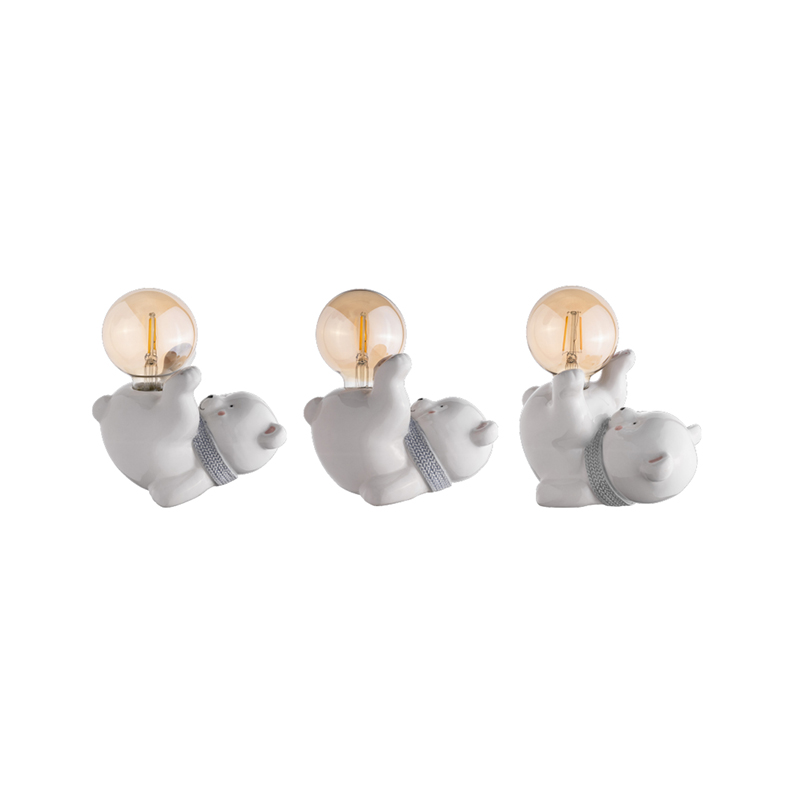
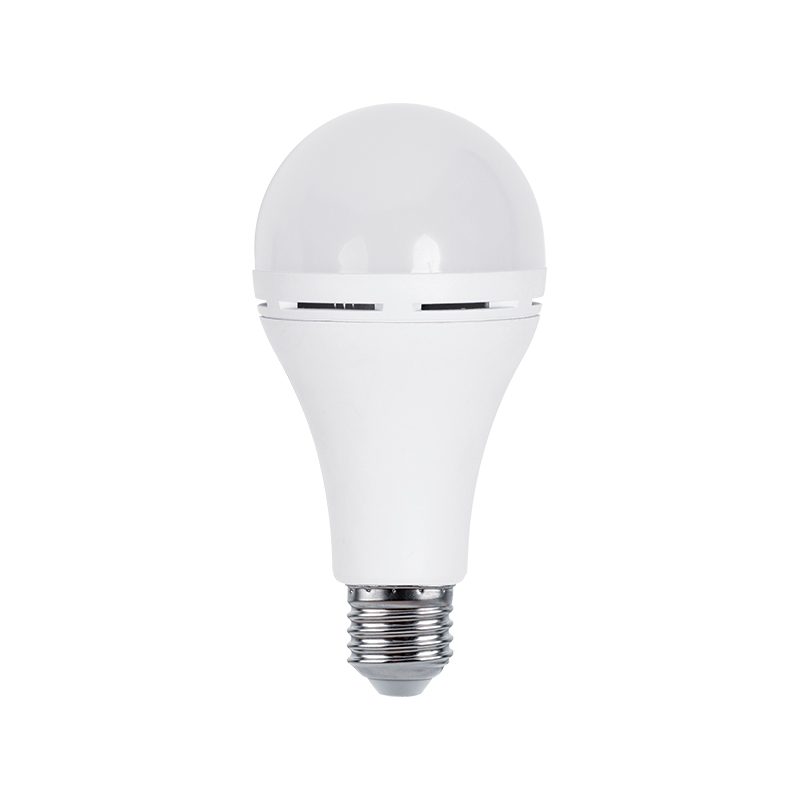
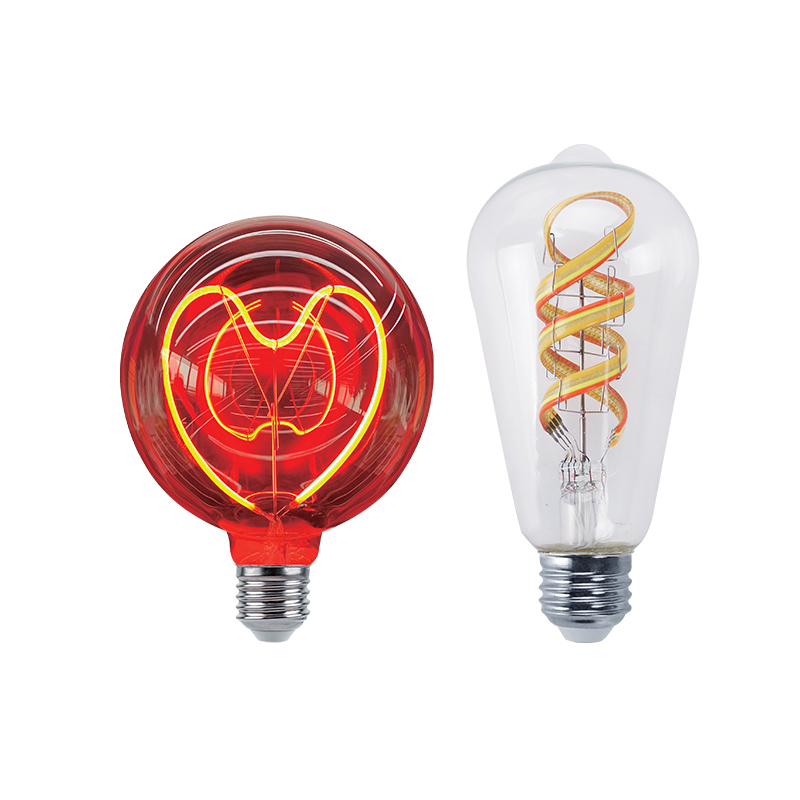
We sincerely look forward to establishing a long-term development partnership with you with good quality and professional services.
Breaking Down CRI Lighting Meaning in Plain Terms
Every light bulb bends color slightly. A tomato under one lamp looks ripe and red; under another, the same tomato looks dull and brownish. This shift is what the colour rendering index was built to measure. In short, cri lighting meaning refers to a numerical score, from 0 to 100, describing how accurately a light source reveals the true colors of objects compared with a reference light (natural daylight or a blackbody radiator, depending on the color temperature being tested).
A score of 100 means colors appear exactly as they would under the reference source. A score of 60 means colors are visibly distorted, often flattened, muddy, or shifted toward a particular hue. This is why two bulbs with identical brightness and identical color temperature can still make a room feel completely different once furniture, skin tones, and food are involved.
Quick definition: CRI is not about how bright or how warm a light looks. It is strictly about color accuracy, the ability of a light source to render the full spectrum of colors faithfully.
The scale was developed decades ago by the International Commission on Illumination and remains the most widely referenced metric on product packaging today, even as newer methods attempt to refine it.
Understanding the Color Rendering Index Ra Scale
The formal name printed on most spec sheets is color rendering index ra, where "Ra" is the general average score calculated from eight standard test color samples. These samples include muted pastel tones such as light greyish red, light yellow-green, and light blue, deliberately chosen because subtle pastels reveal color distortion more clearly than saturated primary colors.
Some manufacturers extend testing to fourteen samples, adding stronger reds, skin tones, and foliage green, producing a value sometimes labeled R9 through R15 alongside the standard Ra score. R9, the strong red sample, is particularly important because many light sources with a high Ra score still perform poorly on deep reds, which matters for food, textiles, and skin tones.
| Ra Score Range | Color Accuracy Level | Typical Use Case |
|---|---|---|
| 95 to 100 | Reference-grade | Photography studios, art galleries, quality control |
| 90 to 94 | Excellent | Retail, clinical spaces, kitchens |
| 80 to 89 | Good | Offices, general residential |
| 70 to 79 | Moderate | Warehouses, corridors, storage |
| Below 70 | Poor | Utility and outdoor security lighting only |
This table doubles as a practical color rendering index chart for everyday decision-making: match the room's purpose to the minimum Ra score before comparing price or wattage.
Colour Rendering Index Chart: Comparing Common Light Sources
Placing common light sources side by side makes the differences concrete. The chart below compares typical Ra scores across five widely used categories, from traditional incandescent filaments to modern high-output LEDs.
Incandescent and halogen sources sit near the top of any colour rendering index chart simply because their spectrum is naturally continuous, resembling a blackbody curve. LEDs must engineer this continuity using phosphor blends, which is why quality varies so widely between budget and premium chips.
How LED CRI Rating Is Measured and Why It Varies So Much
Unlike incandescent filaments, an led cri rating depends entirely on the phosphor coating and chip design chosen by the manufacturer. A blue LED die emits a narrow spectral spike; phosphor coatings absorb part of that light and re-emit it across a broader range of wavelengths, filling in the gaps needed for balanced color rendering. Cheaper phosphor blends leave gaps in the red and cyan regions, which is why inexpensive LEDs often score in the 70s and 80s.
Testing follows a repeatable process: a sample light source illuminates a set of standardized color patches, the reflected light is measured with a spectrometer, and the results are compared mathematically against the reference illuminant at the same color temperature.
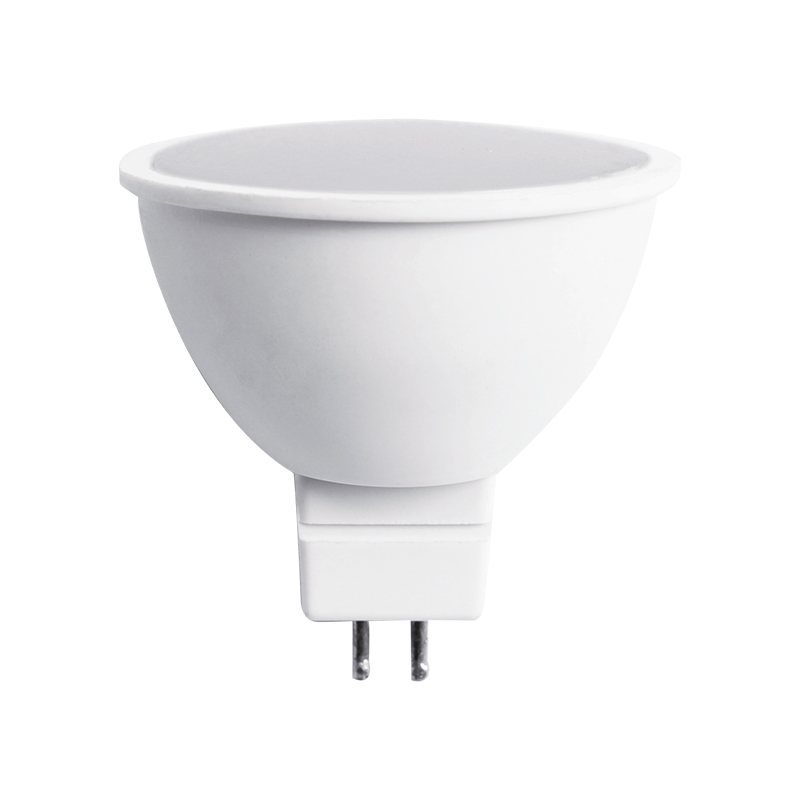
Because this process is standardized, an led smd bulbs product line tested in a lab can be compared fairly against a competing chip, provided both were measured under the same protocol. Reputable suppliers publish independent test reports rather than only quoting a number on the box.
CRI vs TLCI: Why Filmmakers Use a Different Scale
CRI vs TLCI is a common point of confusion outside the lighting industry. CRI was designed around how the human eye perceives color under continuous, static viewing conditions. TLCI, or Television Lighting Consistency Index, was created specifically for camera sensors, which interpret color differently than the human eye, particularly in the way they handle saturated reds and skin tones under mixed lighting.
- CRI evaluates color fidelity for human visual perception in real environments such as offices, homes, and retail spaces.
- TLCI evaluates how a light source will render once captured by a digital camera sensor and displayed on screen.
- A light source can score well on CRI yet still produce awkward skin tones on camera, which is why broadcast and film professionals rarely rely on CRI alone.
- TLCI testing uses a simulated camera and color-grading pipeline rather than a spectrometer reading reflected light directly.
For most household and office buyers, CRI remains the relevant metric. TLCI only becomes important when lighting is being selected specifically for video production, livestream setups, or content creation studios.
Why CRI Matters in Lighting Beyond Simple Aesthetics
Why CRI matters in lighting goes well past decorating preferences. Poor color rendering has measurable downstream effects across several practical areas.
| Setting | Impact of Low CRI | Recommended Minimum Ra |
|---|---|---|
| Retail clothing display | Fabric colors look washed out, reducing purchase confidence | 90 |
| Kitchen and food prep | Produce appears less fresh, harder to judge ripeness | 90 |
| Office workstations | Increased eye strain during long screen and paper tasks | 80 |
| Medical examination rooms | Skin tone misjudgment can affect diagnosis accuracy | 90 |
| Warehouse and logistics | Minimal color-critical work, safety and visibility prioritized | 70 |
The vertical chart below translates this same guidance into a quick visual reference for choosing a minimum Ra target by application.
Choosing High CRI LED Bulbs for Everyday Rooms
When shopping for high CRI led bulbs, the packaging Ra number is only the starting point. A few additional checks separate a genuinely accurate light source from one that merely advertises a high score.
- Look for an R9 value alongside the general Ra score, since strong reds are frequently the weakest point even on bulbs rated above 90.
- Compare color temperature consistency across a dimming range, as some LEDs shift color rendering noticeably when dimmed.
- Check for flicker specifications, since poor driver circuitry can undermine color perception even when the raw CRI number is high.
- Prioritize third-party test data over marketing claims printed only on the retail box.
Living rooms and bedrooms generally perform well with Ra 80 to 90 bulbs, while kitchens, bathrooms with mirrors, and reading nooks benefit noticeably from Ra 90 and above. Decorative fixtures, filament-style bulbs, and accent lighting also fall into this category, where warmth and color accuracy both contribute to the finished look of a space.
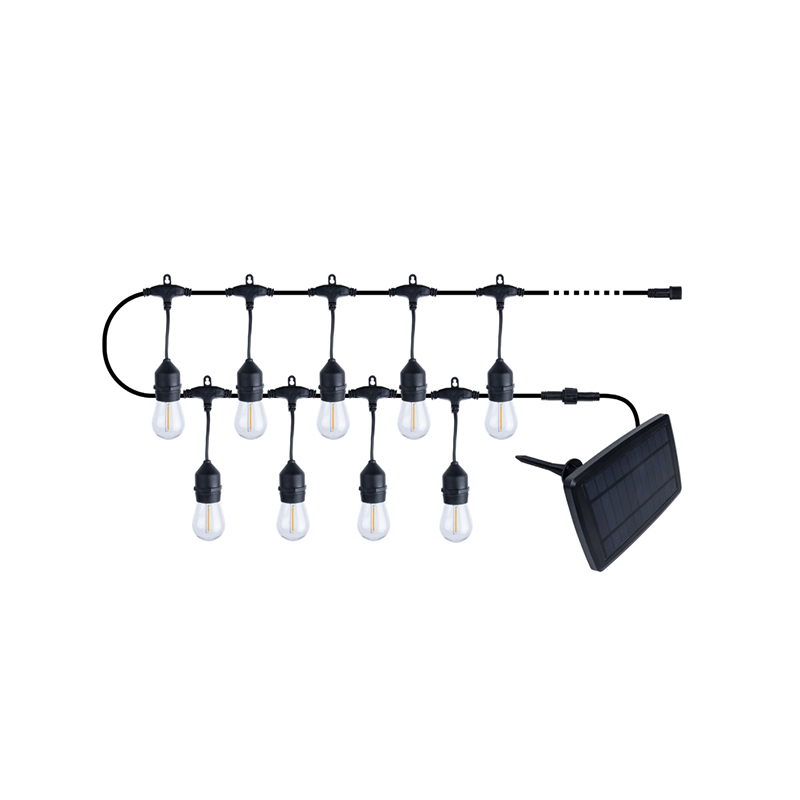
Decorative fixtures such as decorative bulbs-style filament lamps often ship with lower default Ra scores because manufacturers prioritize the warm glow of the filament shape over spectral accuracy, so it is worth checking the rated Ra specifically rather than assuming decorative equals high quality.
High CRI Panel Lights for Offices, Clinics, and Studios
High CRI panel lights have become the default choice in professional environments where visual accuracy affects daily work quality. Flat panel and recessed downlight formats spread light evenly across a ceiling grid, reducing harsh shadows while maintaining consistent color rendering across the entire illuminated surface.
In an led panels & downlight installation for an office or clinical setting, uniformity matters as much as the raw CRI figure. A panel that scores 90 in the center but drops to 75 near the edges will still produce visible color inconsistency across a workstation or exam table. Specifiers should request uniformity ratios alongside CRI documentation when comparing commercial-grade panels.
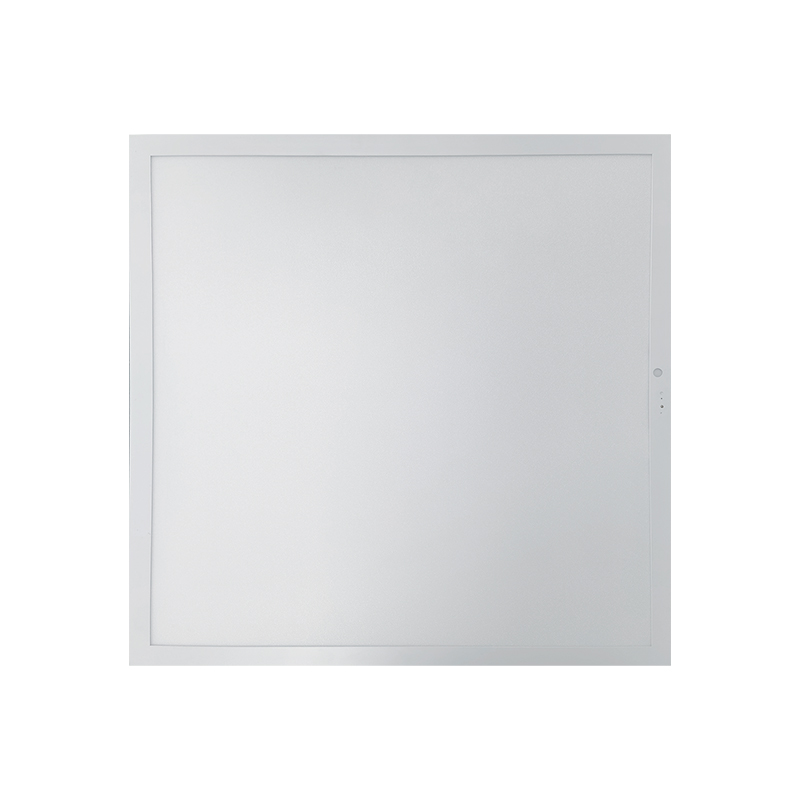
The radar chart below compares a standard LED panel against a high CRI panel across five practical criteria that typically matter in a purchasing decision.
High CRI panels typically trade a small amount of raw efficacy for meaningfully better color accuracy and consistency, a reasonable exchange in color-critical environments such as clinics, design studios, and open-plan offices with heavy screen use.
Horticultural Lighting: Where CRI Meets Plant Biology
Horticultural lighting occupies an unusual position in this discussion. Plants do not perceive color the way humans do, so a high CRI score is not the primary design goal for a grow light. What matters more is the spectral output across red and blue wavelengths that drive photosynthesis and growth stages.
That said, CRI still has a role. Growers and technicians working under horticultural lighting for extended hours benefit from reasonable color accuracy simply to assess plant health, spot early signs of nutrient deficiency, and judge leaf color changes accurately, tasks that become harder under a heavily skewed purple or magenta spectrum common in early-generation grow lights.
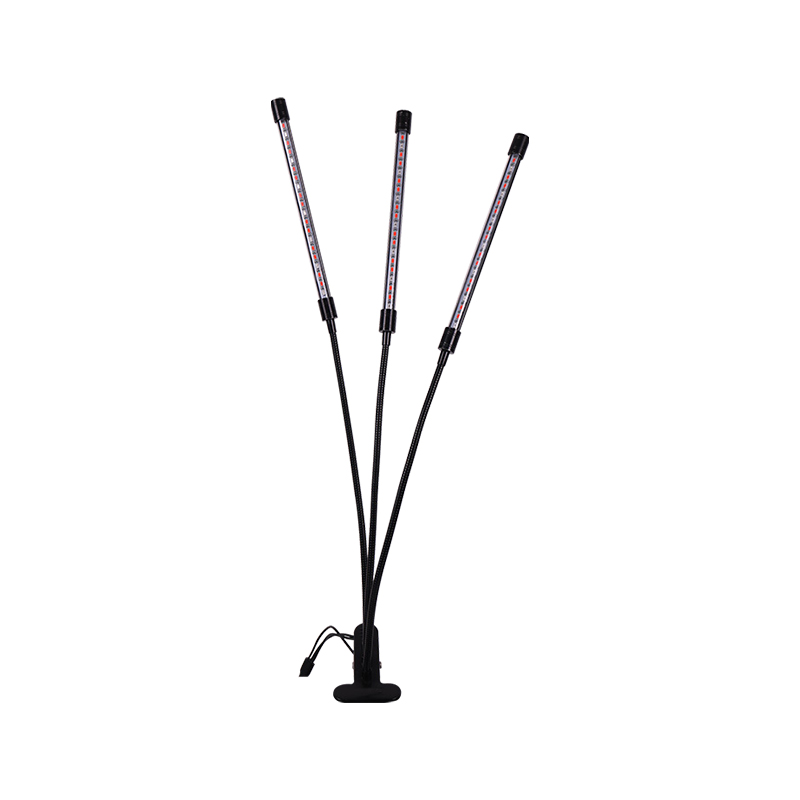
Modern full-spectrum horticultural lighting fixtures increasingly balance photosynthetic efficiency with a more neutral, white-appearing output, making daily plant inspection easier without sacrificing growth performance. The line chart below illustrates, in simplified form, how a full-spectrum horticultural fixture distributes relative output more evenly across the visible range compared with an older narrow-spectrum design.
Frequently Asked Questions
Q1: What is a good CRI number for home lighting?
For most living spaces, an Ra score of 80 or higher is acceptable, while kitchens, bathrooms, and reading areas benefit from Ra 90 or above for more accurate color perception.
Q2: Does a higher CRI always mean a brighter bulb?
No. CRI measures color accuracy, not brightness. A high CRI bulb can have lower or higher lumen output depending entirely on its wattage and efficacy rating, which are separate specifications.
Q3: Why do two bulbs with the same CRI look different?
The general Ra score is an average across eight color samples, so two products can share the same average while differing significantly on individual colors such as deep red, which is why checking R9 separately is useful.
Q4: Is CRI relevant for outdoor or security lighting?
Less so. Outdoor and security applications generally prioritize brightness, coverage, and motion detection over color accuracy, so a lower CRI in the 60 to 70 range is typically acceptable.
Q5: Can CRI change as an LED bulb ages?
Yes. Phosphor coatings can degrade gradually over thousands of hours of use, which may cause a slight shift in both color temperature and color rendering accuracy over the fixture's lifespan.
Q6: How is TLCI different from CRI in practical terms?
CRI is built around human eye perception in real rooms, while TLCI is built around how a camera sensor and display pipeline reproduce color, making TLCI the more relevant metric for video and broadcast lighting decisions.
 GET IN TOUCH


