


 English
 Español
 Deutsch
We sincerely look forward to establishing a long-term development partnership with you with good quality and professional services.
You switch on the bedside lamp at 10 pm, and instead of feeling sleepy, you feel more awake. The cause is not the book you are reading; it is the light on top of the lamp. Standard LED bulbs, even warm white ones, emit a measurable portion of blue light that signals your brain to stay alert. Amber light bulbs cut the color temperature down to 1800K to 2200K, which removes most of that blue light and makes the room feel warm, calm, and comfortable for reading, cooking, or winding down. In short, replacing the bulbs in your evening lamps with amber versions is one of the easiest and most effective changes you can make to your home lighting.
The best part is that this shift does not require new fixtures or rewiring. Most amber bulbs use the same E26, E27, or B22 sockets already installed in your lamps and recessed fittings. The important thing is to know which specs actually matter, so you do not end up with a decorative amber bulb that looks warm but still sends the wrong wavelengths to your eyes.
What Makes an Amber Light Bulb Different?
An amber light bulb is not simply a regular LED with an amber tint on the glass. It is a light source that shifts the entire output spectrum away from the blue range, usually by adjusting the phosphor mix inside the LED chip and combining it with amber glass or a colored lens.
Conventional warm white LEDs are typically rated at 2700K to 3000K and still contain a blue peak around 450 to 470 nanometers. This short-wavelength light is exactly what the human eye interprets as daylight, which is why you can feel alert at 9 pm even with the lights on. Amber bulbs, in contrast, are designed with a correlated color temperature of 1800K to 2200K, which moves the dominant output into the orange and red region.
Here are the key technical characteristics that define a quality amber bulb:
- Color temperature: 1800K to 2200K, visibly orange or amber
- Blue light output: typically less than 10% of total spectrum, versus 25% to 35% in warm white LEDs
- Color rendering index: should be 90 or higher, so skin tones, wood, and food look natural
- Luminous output: 400 to 800 lumens for A19 sizes, enough for normal evening reading
From a practical standpoint, a well-designed LED filament bulb with amber glass can reproduce the visual warmth of an old incandescent while using about 85% less electricity.
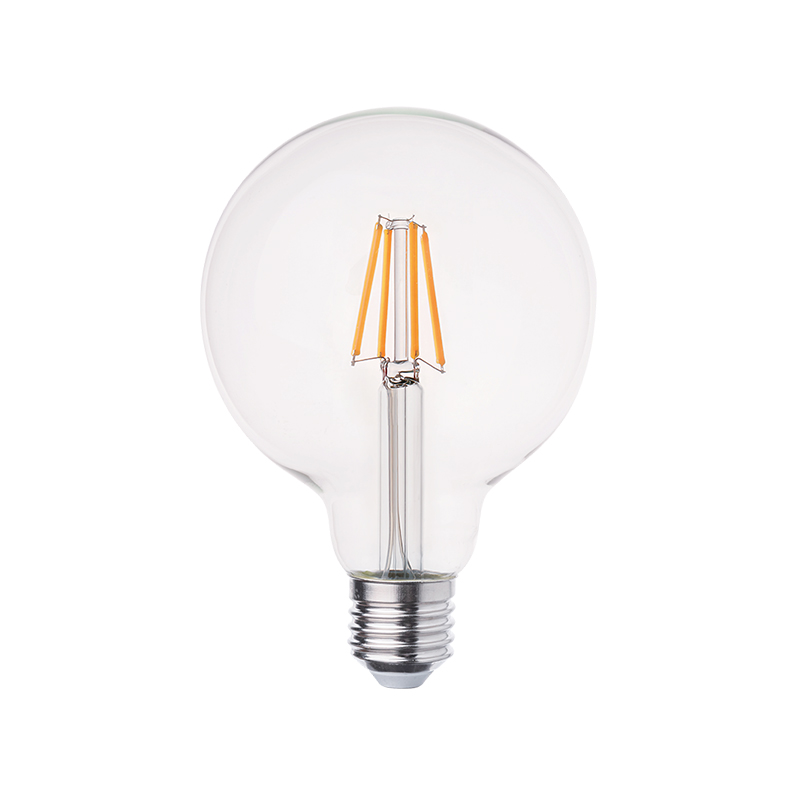 Energy-Efficient LED Filament Bulb with Amber GlassThis LED filament bulb offers warm incandescent-like light while cutting electricity use by up to 80%, making it a practical choice for evening lighting in living spaces.View Product →
Where to Use Amber Light Bulbs Around the Home
You do not need to convert every bulb in the house. The most effective strategy is to target the rooms and lamps you actually use during the last two to three hours before bed.
Bedroom and Nursery
The bedroom is the most obvious place to start. Bedside lamps, ceiling fixtures, and floor lamps used in the evening should all be amber. In nurseries, amber light is especially helpful because it does not interrupt an infant's natural sleep rhythm. A dimmable amber filament bulb with a 3-step CCT switch is a practical choice here, as it lets you adjust the warmth level when you need more light for changing or feeding, then lower it for sleep.
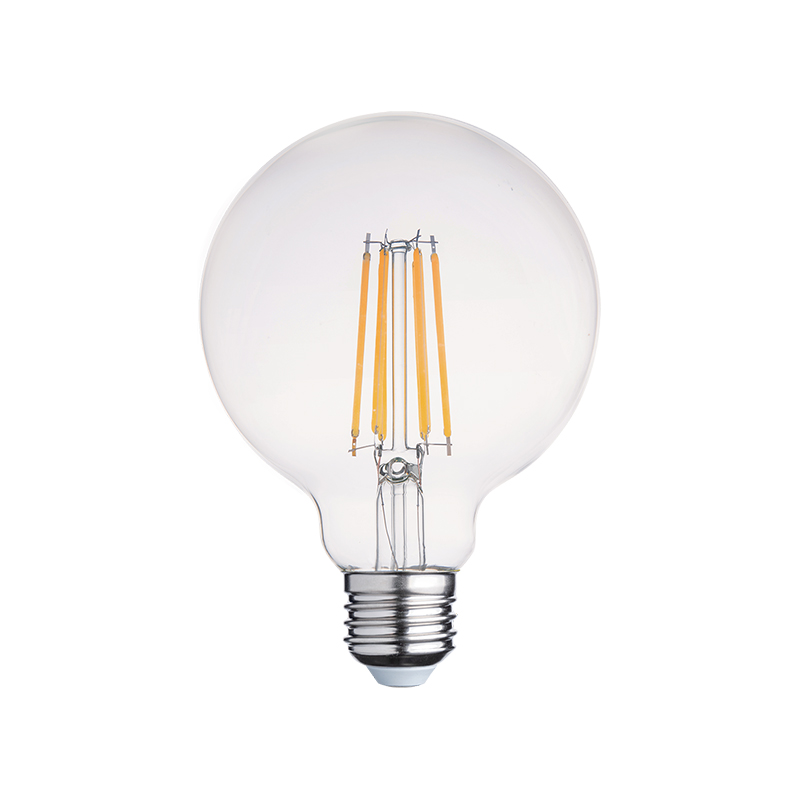 Dimmable Amber LED Filament Bulb with Adjustable WarmthWith a 3-step CCT switch and dimmable feature, this bulb lets you set the perfect warm glow for nurseries or bedrooms, supporting better sleep routines.View Product →
Living Room and Relaxation Areas
For reading, watching television, or entertaining guests in the evening, amber bulbs create a calmer atmosphere than white light. Table lamps, wall sconces, and floor lamps with amber bulbs produce a soft glow that many people describe as cozy and inviting.
Bathroom and Hallway
If you get up in the middle of the night, a bright white bathroom light can feel like an alarm. Replacing the night light bulb with an amber bulb keeps the room navigable without waking you further. The same applies to hallway lamps and stairwell fixtures used after dark.
How to Choose Amber Light Bulbs: Key Specifications to Compare
When you compare amber bulbs across brands, a few numbers will tell you almost everything you need to know.
If you remember only one thing: choose an amber bulb with CCT below 2200K and CRI above 90. Those two numbers are the foundation of a genuinely low-blue evening bulb.
1800-2200K CCT
90+ CRI
400-800 lm Lumens
The two most important numbers are CCT and CRI. CCT tells you how warm or amber the light will look. CRI tells you how accurately the bulb shows colors. A CRI of 90 or higher is recommended for any living space because it prevents skin, food, and clothing from looking washed out.
| Specification | What to Look For | Why It Matters |
| CCT | 1800K to 2200K | Defines the true amber glow |
| CRI | 90 or higher | Accurate colors for skin, food, and textiles |
| Wattage | 4W to 9W for A19 | Determines energy use |
| Lumens | 400 to 800 lm | Enough brightness for reading |
| Base Type | E26, E27, B22 | Must match your socket |
| Dimming | Yes, phase-cut compatible | Allows brightness adjustment without flicker |
If you want to see how different Kelvin values translate into visual warmth, this guide to reading a light color temperature chart is a handy reference.
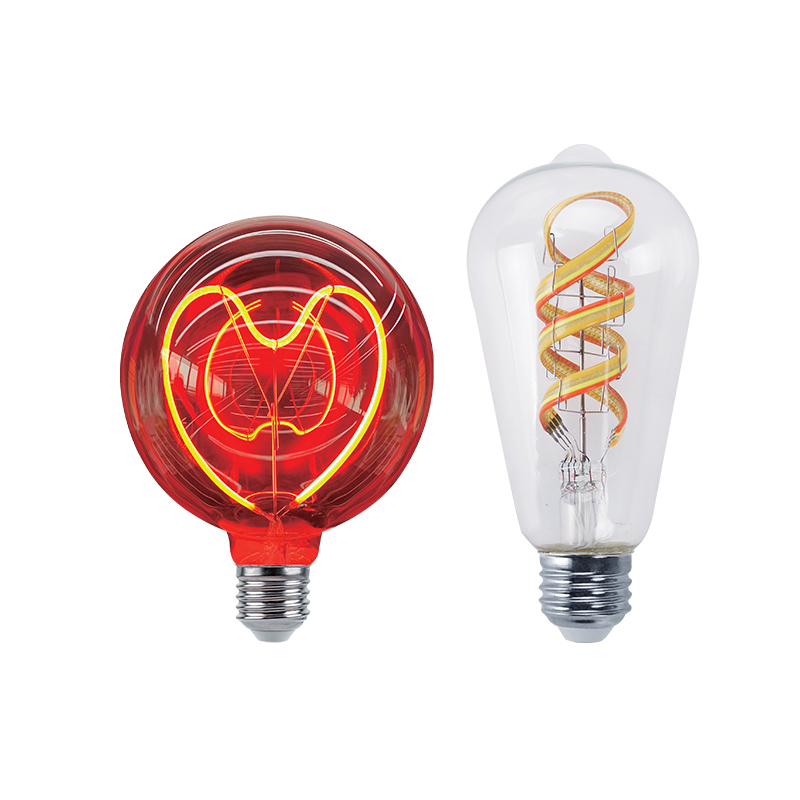
Beyond the basic specs, consider whether the bulb itself will be visible. In exposed sockets or open lamps, the vintage Edison LED filament bulb works as a decorative element, with visible amber filaments that mimic an old incandescent while using LED technology.
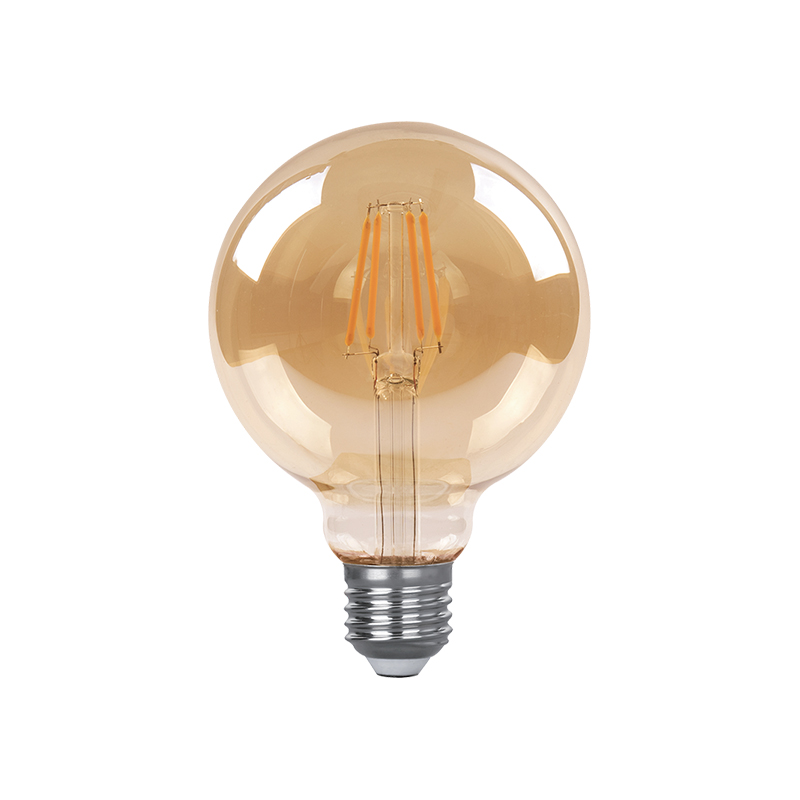 Vintage Edison LED Filament Bulb with Amber GlowDesigned for visible sockets, this decorative bulb features amber filaments that recreate an old incandescent look, adding character to pendant lights or sconces.View Product →
Amber Bulbs vs. Warm White LEDs, Dimmers, and Smart Bulbs
It is common to wonder whether a dimmer, a smart bulb, or blue-light blocking glasses can achieve the same result. The answer depends on what you are trying to fix.
Warm white LEDs at 2700K to 3000K
Warm white bulbs still contain a meaningful blue component. They look pleasant, but they do not remove the biological stimulus that keeps you awake. They are fine for general use, but not ideal for the last hour before sleep.
Dimmers
A dimmer reduces the intensity of light but does not change the spectrum. Your eyes receive less light, but the blue-rich spectrum is still present. For some people, dimming alone is enough to feel sleepy; for others, it is not.
Smart color-changing bulbs
These bulbs can be set to amber, which gives you flexibility. However, they are usually more expensive, require a hub or app, and often have a lower CRI in their amber setting compared to a dedicated amber bulb.
Blue-light blocking glasses
Glasses protect the wearer's eyes from blue light on screens, but they do not change the lighting of the room. If you share a room with others, amber bulbs provide the same benefit to everyone without relying on accessories.
As a rule, if your goal is to create a room that is naturally conducive to winding down, a dedicated amber bulb is a simpler and more effective solution. For a broader understanding of LED options, read our guide on how to choose LED light source.
Frequently Asked Questions
Q1: Are amber light bulbs bright enough to read by?
Yes. A 6W amber LED bulb typically delivers 450 to 550 lumens, which is sufficient for reading at arm's length or up to about two meters. The light is softer and warmer than white light, but it is not dim.
Q2: Can amber bulbs be used in recessed ceiling fixtures?
It depends on the socket. For E26 or E27 screw types, amber filament bulbs fit directly. For GU10 or MR16 recessed fixtures, you need amber-rated LED bulbs that match the voltage and base of the fitting.
Q3: Do amber bulbs consume more electricity than normal LED bulbs?
No. Amber LED bulbs use the same low wattage as other LED bulbs. A 5W amber bulb produces roughly the same output as a 40W incandescent while using about 88% less energy.
Q4: Should I replace every bulb in the house with amber bulbs?
Not necessarily. Keep bright white light in kitchens, workspaces, and utility areas that you use during the day. Use amber bulbs in the rooms where you spend time during the last two hours before sleep, especially the bedroom and living room.
Q5: How quickly will I notice a difference?
Most people notice a calmer atmosphere on the very first evening. The effect on sleep timing is gradual and becomes more obvious after a few nights of consistent exposure to less blue light in the evening.
 GET IN TOUCH


