


 English
 Español
 Deutsch
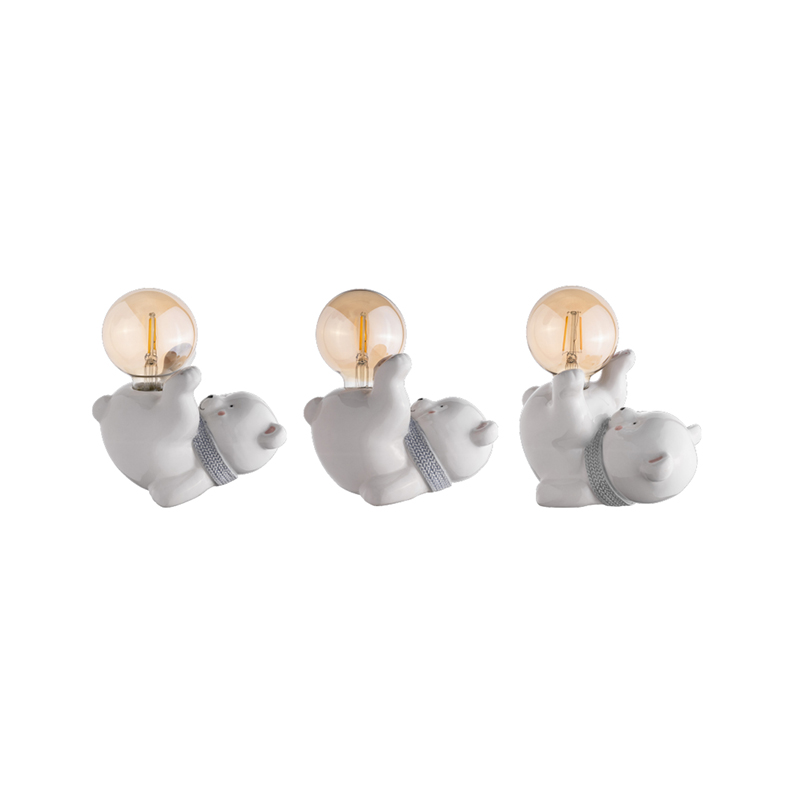
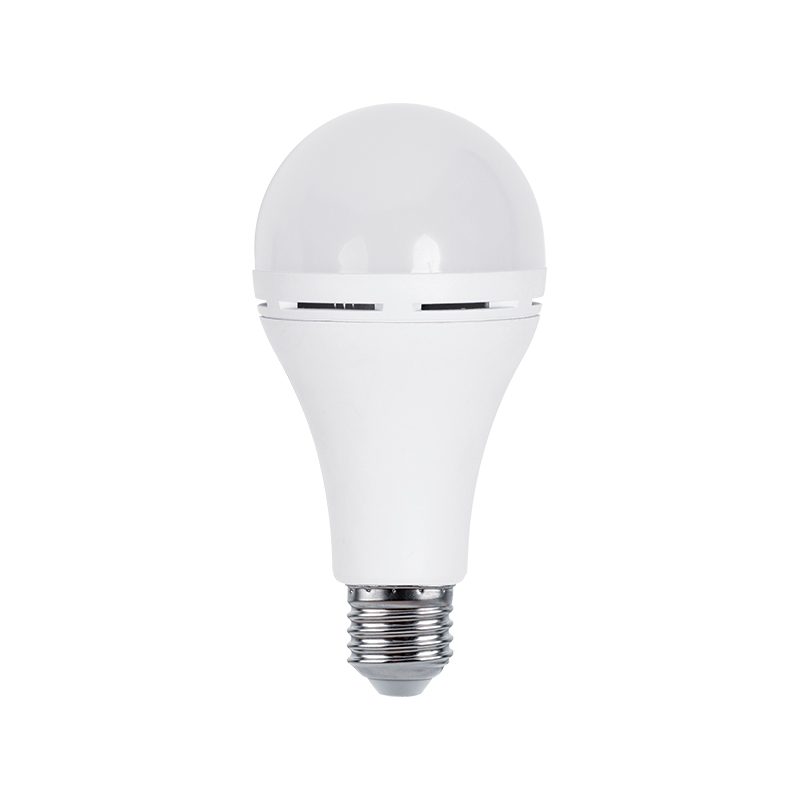
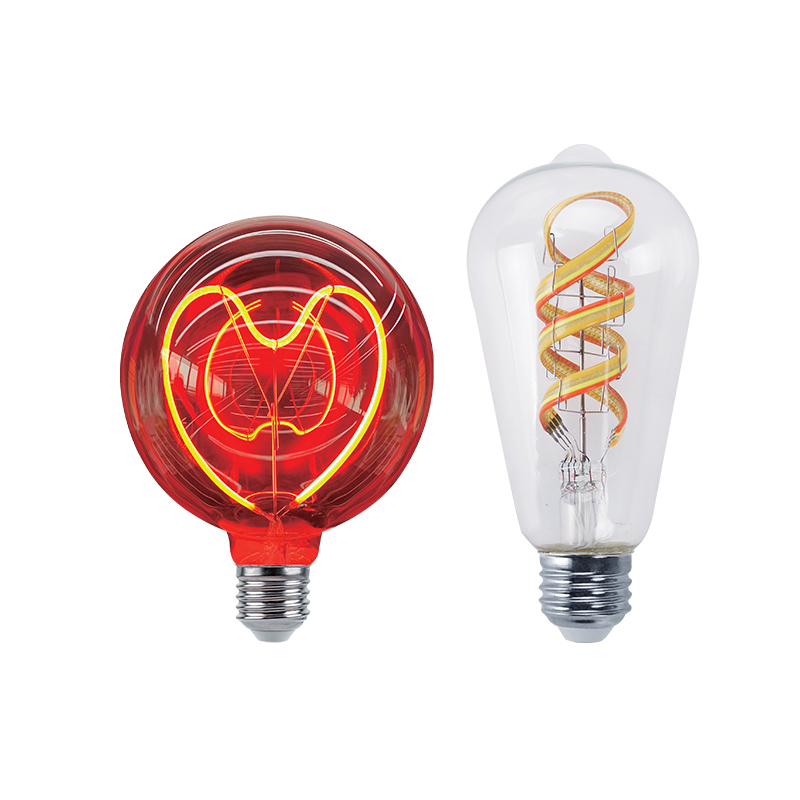
We sincerely look forward to establishing a long-term development partnership with you with good quality and professional services.
The LED Filament Bulb (Letter Bulb) has become increasingly popular in residential, commercial, and decorative lighting applications due to its aesthetic appeal and energy efficiency. While traditional lighting sources such as incandescent and fluorescent bulbs are prone to flickering, the LED Filament Bulb (Letter Bulb) demonstrates superior stability in light output. Flickering in lighting systems can lead to eye strain, discomfort, and reduced lighting quality, making the resistance to flicker a crucial performance criterion for modern lighting solutions.
Understanding Flickering in Lighting
Flickering refers to rapid variations in light intensity that are often imperceptible but can cause physiological and psychological effects over time. In the context of LED Filament Bulb (Letter Bulb), flickering can result from several factors, including:
- Instability in power supply
- Poor driver circuit design
- Incompatible dimming systems
- Environmental voltage fluctuations
The perception of flicker is influenced not only by the frequency of these variations but also by their amplitude. Excessive flickering may cause headaches, eye fatigue, or visual discomfort in sensitive individuals. Therefore, understanding the root causes of flicker is essential for designing LED Filament Bulb (Letter Bulb) that meet high standards of performance and user comfort.
LED Filament Technology Overview
The LED Filament Bulb (Letter Bulb) replicates the appearance of traditional filament bulbs while using light-emitting diodes (LEDs) as the primary light source. Key components include:
- LED filaments: Linear arrays of LEDs coated with a phosphor layer to produce warm or neutral light.
- Driver circuits: Electrical components that regulate current and voltage to the filaments.
- Glass enclosure: Often designed in clear or frosted finishes to enhance light distribution and aesthetics.
The integration of these components is critical in minimizing flicker. Unlike conventional LEDs, LED Filament Bulb (Letter Bulb) features multiple series-connected micro-LEDs arranged in filaments, which distribute light evenly and reduce sudden intensity variations caused by fluctuations in input voltage.
Electrical Design Considerations for Flicker Resistance
The LED Filament Bulb (Letter Bulb) relies on driver electronics to maintain stable operation. The design of these drivers is central to flicker resistance. Core aspects include:
- Constant current regulation: Ensures uniform current flow through each filament, preventing brightness fluctuations.
- High-frequency switching: Modern drivers use high-frequency pulse-width modulation (PWM) to stabilize light output, minimizing visible flicker.
- Voltage surge protection: Protects filaments from transient spikes that can momentarily disrupt light emission.
Table 1: Typical Driver Characteristics in LED Filament Bulb (Letter Bulb)
| Parameter | Description | Typical Value/Range |
|---|---|---|
| Input voltage range | AC supply voltage tolerated by the driver | 100–240V AC |
| Output current stability | Maximum variation in current flow | ±5% |
| PWM frequency | Frequency used to regulate LED brightness | 20 kHz – 100 kHz |
| Surge protection level | Maximum transient voltage the driver can withstand | 2–4 kV |
The combination of stable current regulation and effective surge protection ensures that LED Filament Bulb (Letter Bulb) maintains consistent illumination even in environments with variable electrical supply.
Effects of Power Supply Quality
Power supply quality significantly influences the flicker performance of LED Filament Bulb (Letter Bulb). Poor quality or fluctuating voltage can cause intermittent changes in light intensity. Key factors include:
- Voltage dips and sags: Short-term reductions in supply voltage can momentarily reduce brightness.
- Harmonic distortion: Electrical noise from other devices can introduce rapid voltage variations.
- Frequency instability: AC supply frequency variations affect the operation of driver circuits.
Advanced LED Filament Bulb (Letter Bulb) designs incorporate filtering capacitors and power factor correction circuits to mitigate these issues, ensuring that flicker remains below perceptible levels.
Compatibility with Dimming Systems
Flicker often becomes noticeable when LED Filament Bulb (Letter Bulb) is used with dimmers. Older or incompatible dimmers can cause irregular current modulation, leading to visible flickering. Modern solutions address this through:
- Triac dimmer compatibility: Adjusting driver circuitry to respond smoothly to phase-cut dimming.
- PWM dimming: Synchronizing pulse width to maintain stable light output across all brightness levels.
- Smart dimming protocols: Integration with digital control systems such as 0–10V dimmers or DALI networks.
Table 2: Dimming Compatibility Factors
| Dimming Method | Flicker Risk | Recommended Driver Feature |
|---|---|---|
| Triac dimming | Medium–High | Phase-cut responsive driver |
| 0–10V dimming | Low | Smooth linear current regulation |
| PWM dimming | Very Low | High-frequency PWM driver |
| Smart dimming | Minimal | Digital protocol-compatible driver |
By selecting compatible drivers and dimming methods, LED Filament Bulb (Letter Bulb) can operate flicker-free across a wide range of lighting control scenarios.
Thermal Management and Flicker
Temperature affects LED performance. Overheating can lead to unstable current flow and, consequently, flicker. Effective LED Filament Bulb (Letter Bulb) designs include:
- Heat-conductive filaments: Distribute heat evenly along the filament to prevent hotspots.
- Glass and ceramic materials: High thermal tolerance reduces risk of driver overheating.
- Ventilation design: Enclosures that allow heat dissipation without compromising aesthetics.
Thermal stability ensures that LED filaments operate consistently, thereby minimizing flicker over long operational periods.
Optical Considerations
The physical arrangement of filaments and the optical design of the bulb also influence flicker perception. Techniques include:
- Multiple filaments: Parallel arrays reduce the impact of a single filament’s brightness fluctuation.
- Phosphor coating uniformity: Ensures color and brightness remain consistent across filaments.
- Diffuser integration: Even in clear glass bulbs, subtle diffusion helps mask minor intensity variations.
These optical strategies complement electrical design to ensure a visually stable light output in LED Filament Bulb (Letter Bulb).
Environmental Factors
External conditions such as humidity, dust, and vibration can also contribute to flickering. High-quality LED Filament Bulb (Letter Bulb) incorporate:
- Moisture-resistant coatings: Prevent short circuits or current instability.
- Vibration-dampening supports: Maintain filament alignment and contact stability.
- Dust-resistant enclosures: Ensure long-term consistent performance.
Conclusion
The LED Filament Bulb (Letter Bulb) resists flickering through a combination of advanced electrical design, high-quality driver circuits, thermal management, optical optimization, and environmental protection. By addressing both the root causes of flicker and the perception of brightness instability, modern LED Filament Bulb (Letter Bulb) provides consistent, comfortable, and reliable illumination suitable for a wide range of applications.
Frequently Asked Questions (FAQ)
Q1: Can LED Filament Bulb (Letter Bulb) flicker under low voltage conditions?
A1: While low voltage may affect some bulbs, high-quality LED Filament Bulb (Letter Bulb) are equipped with drivers that stabilize current and voltage, minimizing flicker under typical voltage variations.
Q2: Are all dimmers compatible with LED Filament Bulb (Letter Bulb)?
A2: Not all dimmers are compatible. Triac dimmers may require phase-cut responsive drivers, while digital dimmers such as 0–10V or DALI systems offer better flicker control.
Q3: Does the color temperature of LED Filament Bulb (Letter Bulb) affect flicker?
A3: The color temperature itself does not directly cause flicker, but phosphor coating quality associated with different color temperatures can influence light stability.
Q4: How long can LED Filament Bulb (Letter Bulb) maintain flicker-free performance?
A4: With proper thermal management and high-quality drivers, LED Filament Bulb (Letter Bulb) can maintain stable performance for its rated lifespan, often exceeding 15,000–25,000 hours.
Q5: Can external vibrations induce flicker in LED Filament Bulb (Letter Bulb)?
A5: Excessive vibration may impact filament contact or driver circuits. Vibration-resistant designs mitigate this risk, ensuring stable light output.
References
- International Commission on Illumination (CIE). Flicker Metrics and Measurement Techniques. CIE Technical Report, 2021.
- Lighting Research Center. LED Performance and Flicker Analysis. Rensselaer Polytechnic Institute, 2020.
- National Electrical Manufacturers Association (NEMA). Guidelines for LED Driver and Flicker-Free Operation. 2019.
 GET IN TOUCH


