

An LED lighting factory audit should test whether requirements survive from approved specification to purchased material, controlled production, verified results and released shipment.
A certificate, showroom sample or tidy production floor can support one part of the review, but none proves the complete system. The audit needs a defined product and order scope, independent sampling, traceable records, direct observation and a method for closing findings with implementation evidence.
Set Scope, Criteria and Auditor Independence
State which legal entity, address, product families, processes, markets and customer specifications are in scope. Distinguish the factory that sells the product from any subcontractor that performs PCB assembly, metalwork, coating, molding, driver production, testing or packaging. Define the audit criteria before the visit: contract requirements, approved drawings, product specifications, control plans, applicable management-system requirements and market-access documents.
ISO 19011:2026 describes audit principles including integrity, fair presentation, due professional care, confidentiality, independence, evidence-based work and risk-based work. Apply those principles by separating the audit team from the commercial owner where practical, protecting confidential records, recording both conformity and nonconformity, and choosing samples from risk rather than convenience.
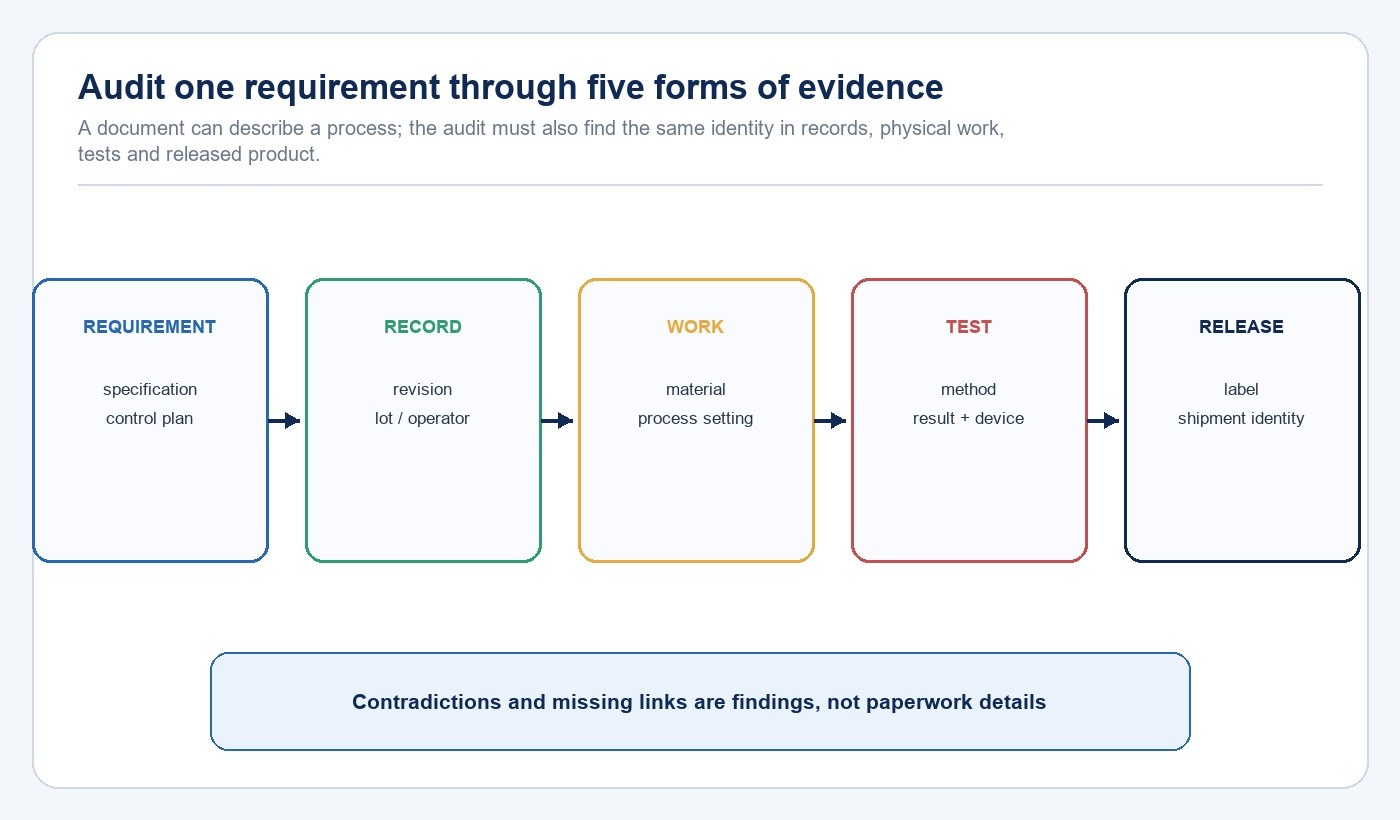
Follow One Product Through the Factory System
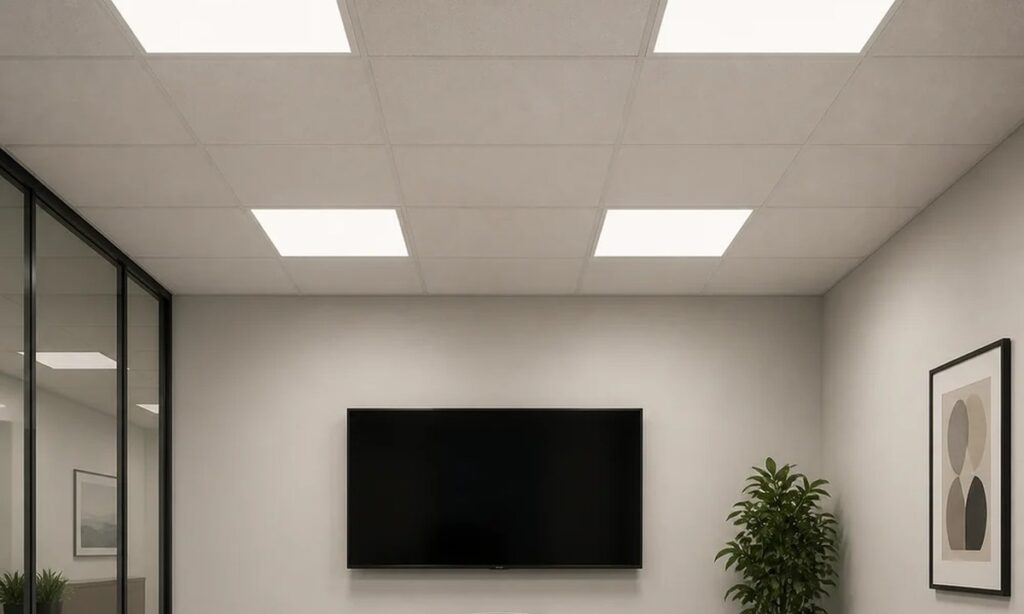
Choose one representative product and order that exposes the processes relevant to the purchase. An IP65 slim LED panel, for example, can require review of frame and diffuser identity, LED board, driver, seals, assembly, electrical and optical checks, marking and packaging. The audit should not infer that controls seen on one family automatically apply to tubes, filament lamps or outdoor luminaires.
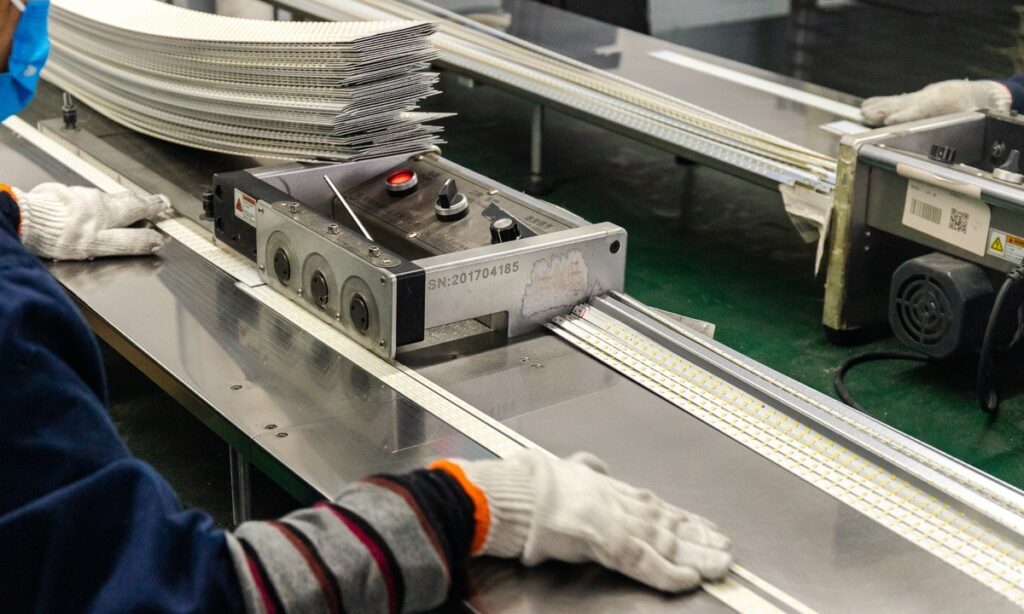
Start from the approved customer specification and bill of materials. Walk the route through incoming material, storage, issue, assembly, in-process checks, final inspection, packing and release. At each point, compare the physical part and current instruction with the revision in the order record. The LED panel manufacturing guide provides a product-level process sequence that can be converted into audit checkpoints.
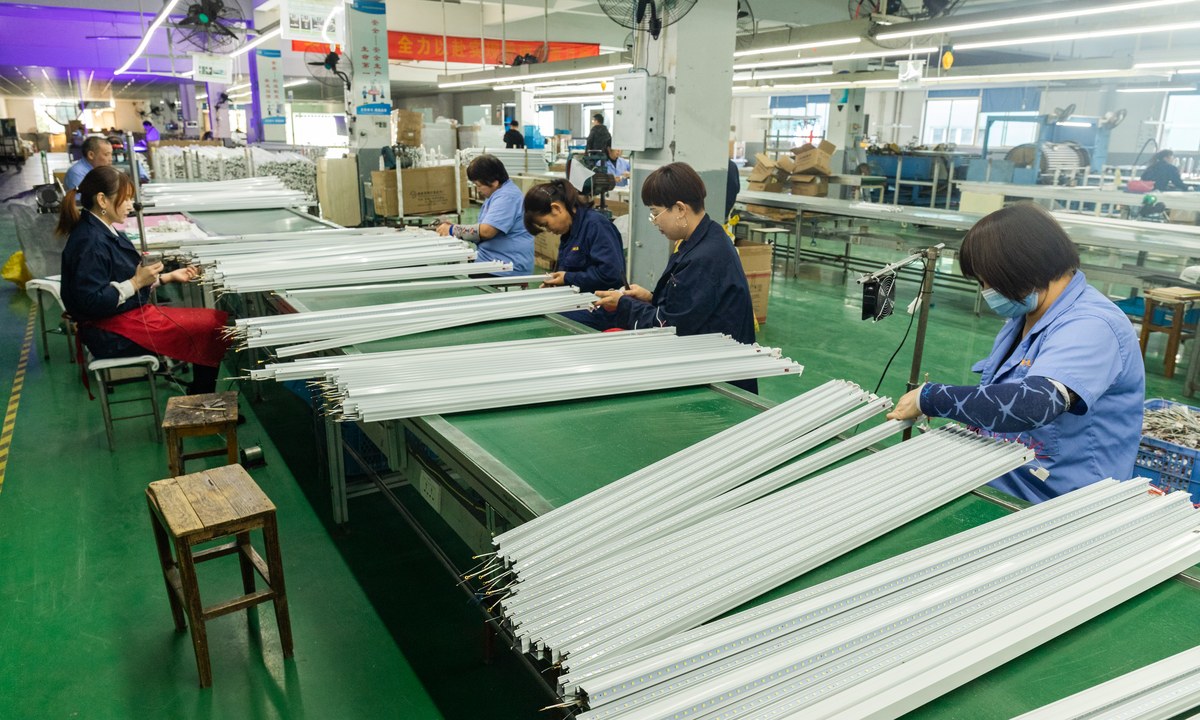
Verify People, Instructions and Equipment at the Workstation
Interview the operator or inspector at the place where the work occurs. Ask how the correct material, tool, setting, sample size and acceptance criterion are identified; what happens when a result fails; and how a revised instruction reaches the station. Compare the answer with the displayed or controlled document and one recent record.
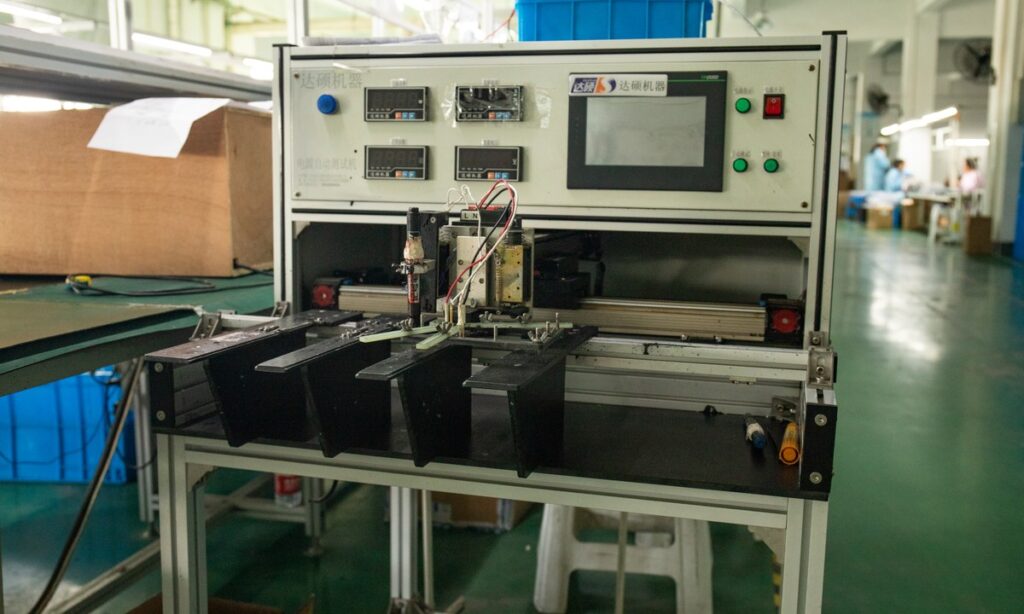
For torque tools, electrical safety testers, integrating spheres, power meters, gauges and environmental equipment, record equipment identity, suitable range or capability, calibration or verification status and the method used for the specific product. A valid calibration label does not show that the instrument, fixture and test condition are appropriate for the characteristic being accepted.
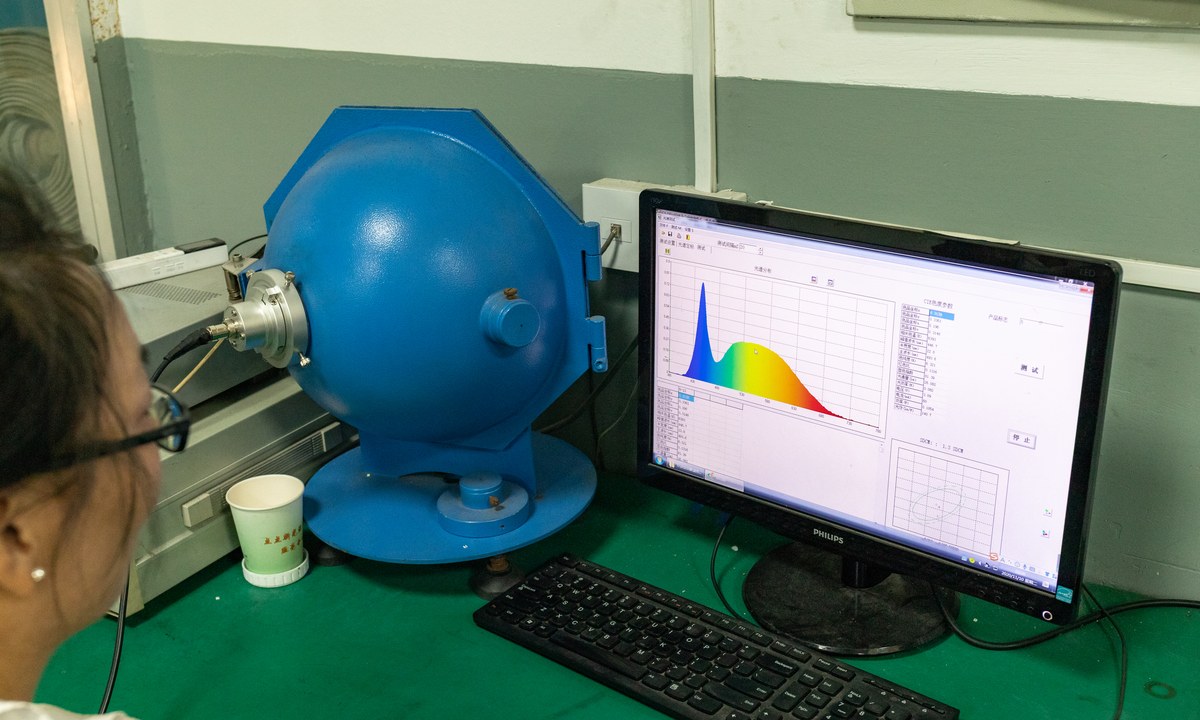
Test Traceability and Change Control in Both Directions
Select a finished unit or carton and trace backward to the production lot, test record, material issue and supplier lot. Then select an incoming component lot and trace forward to the products and shipments that used it. The identifiers need not all appear on the finished luminaire, but the record chain should resolve without relying on one person’s memory.
Review a real change: material substitution, driver revision, PCB update, process relocation, new subcontractor, packaging change or corrective action. Check who assessed the affected specifications and approvals, what validation was required, how obsolete material and documents were controlled, and whether customers were notified when the agreement required it.
Review Inspection and Sampling Correctly
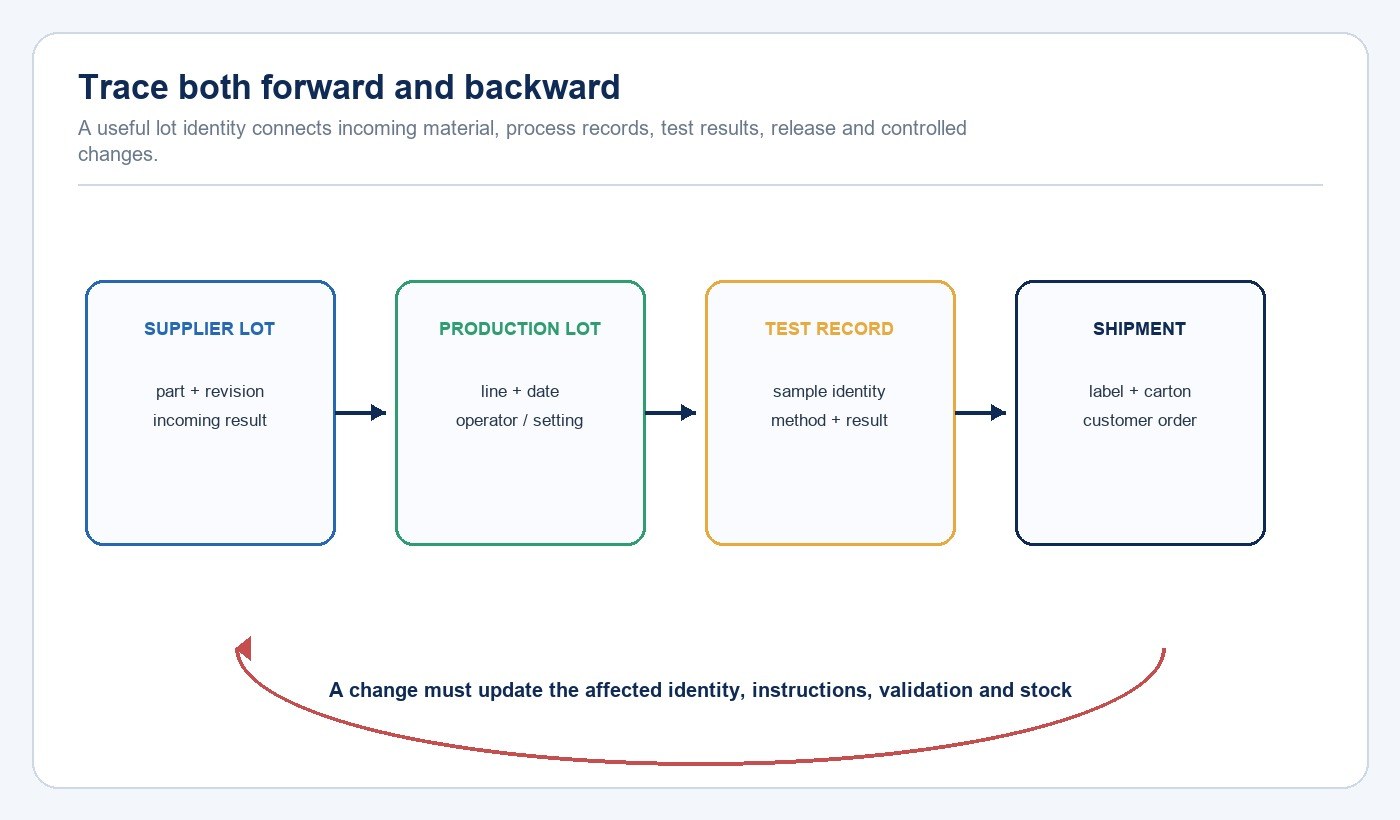
Separate process control from final acceptance. Incoming inspection protects the process from unsuitable material; in-process checks confirm that controlled operations remain within their limits; final inspection supports release of the specified lot. Repeating the same visible check at three stages is not equivalent to controlling critical material, assembly and performance characteristics.
ISO 28590 introduces the ISO 2859 series for acceptance sampling by attributes and selection of an appropriate inspection system. Before interpreting an AQL or sample-size record, identify the lot, inspection level or plan, normal or tightened status where applicable, defect classifications, sample selection method and acceptance/rejection numbers. Acceptance sampling does not prove that every unit conforms, and a factory should not relabel screened rejects as a new lot without a controlled disposition.
| Control stage | Evidence to sample | Audit challenge |
|---|---|---|
| Incoming | Supplier lot, material identity, inspection result | Can the lot be traced to approved material? |
| In-process | Setting, operator, first-piece and patrol records | What prevents drift before final test? |
| Final | Lot definition, sample selection, defects and disposition | Was the sample independent and the rule followed? |
| Release | Label, carton, quantity, approval and shipment | Does the released identity match the accepted lot? |
Check Product Claims and Certificates by Scope
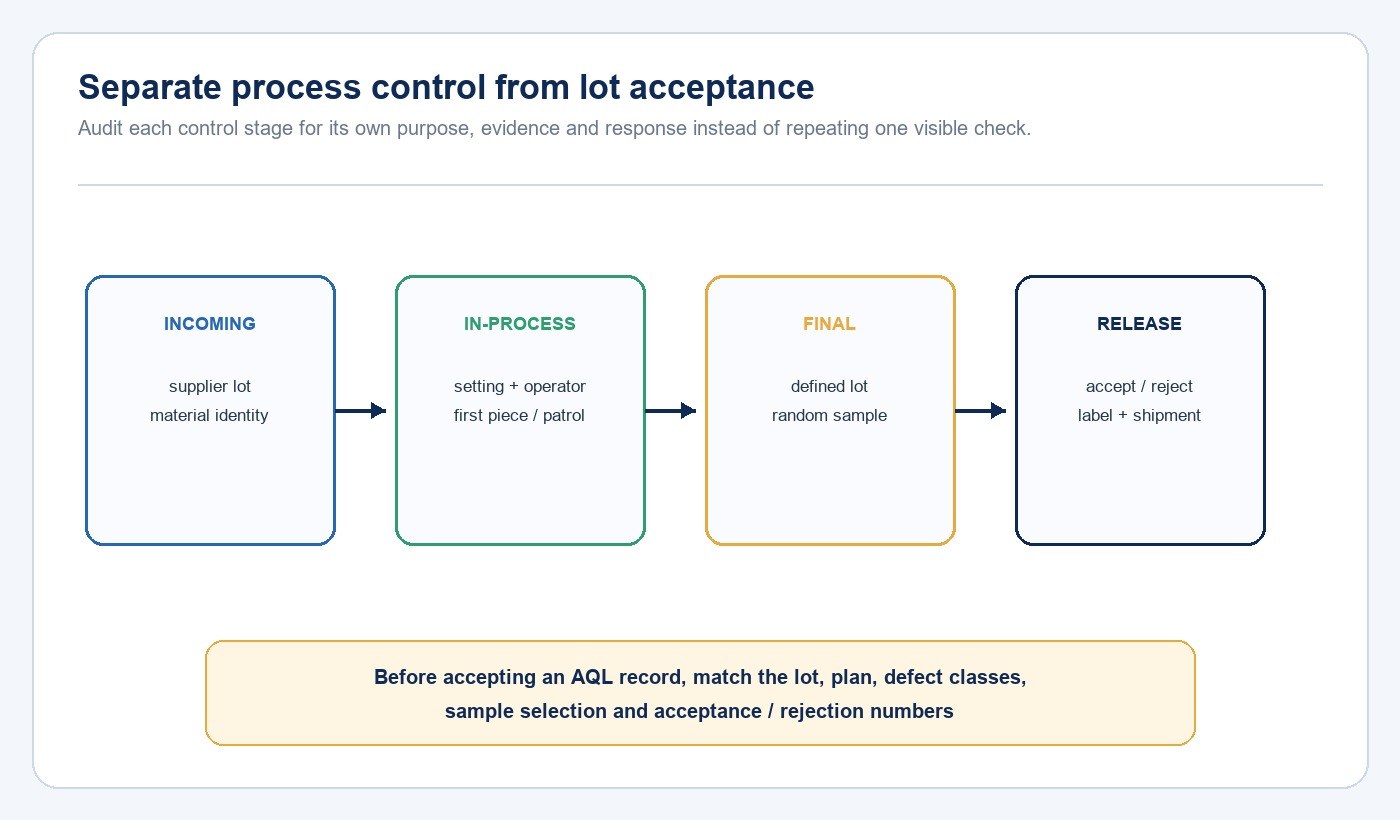
List the claims that affect purchase and market access: model, electrical ratings, IP or IK classification, dimming and control compatibility, photometric values, materials, lifetime basis, restricted substances and required certification marks. For each claim, identify the exact model or family, standard edition, report or certificate number, issue and expiry status where applicable, factory address, critical components and permitted variations.
IAF CertSearch provides issuer-sourced verification for accredited management-system certificates. A valid management-system certificate supports the stated certified scope; it does not replace product test reports or establish that an unlisted model is covered. Likewise, a product-family report should be checked against the ordered construction and critical component list.
| Claim | Identity to match | Supporting evidence | Common audit gap |
|---|---|---|---|
| Management system | Legal entity, site and activity scope | Current accredited certificate | Certificate belongs to another site or scope |
| Product safety | Model/family, construction and critical parts | Certificate and referenced report | Ordered revision is not covered |
| Photometric | Sample, operating condition and method | Traceable test record | Result cannot be tied to production identity |
| Environmental/material | Part, supplier and revision | Declaration plus supporting report | Evidence is generic or expired |
Close Findings With Implementation Evidence
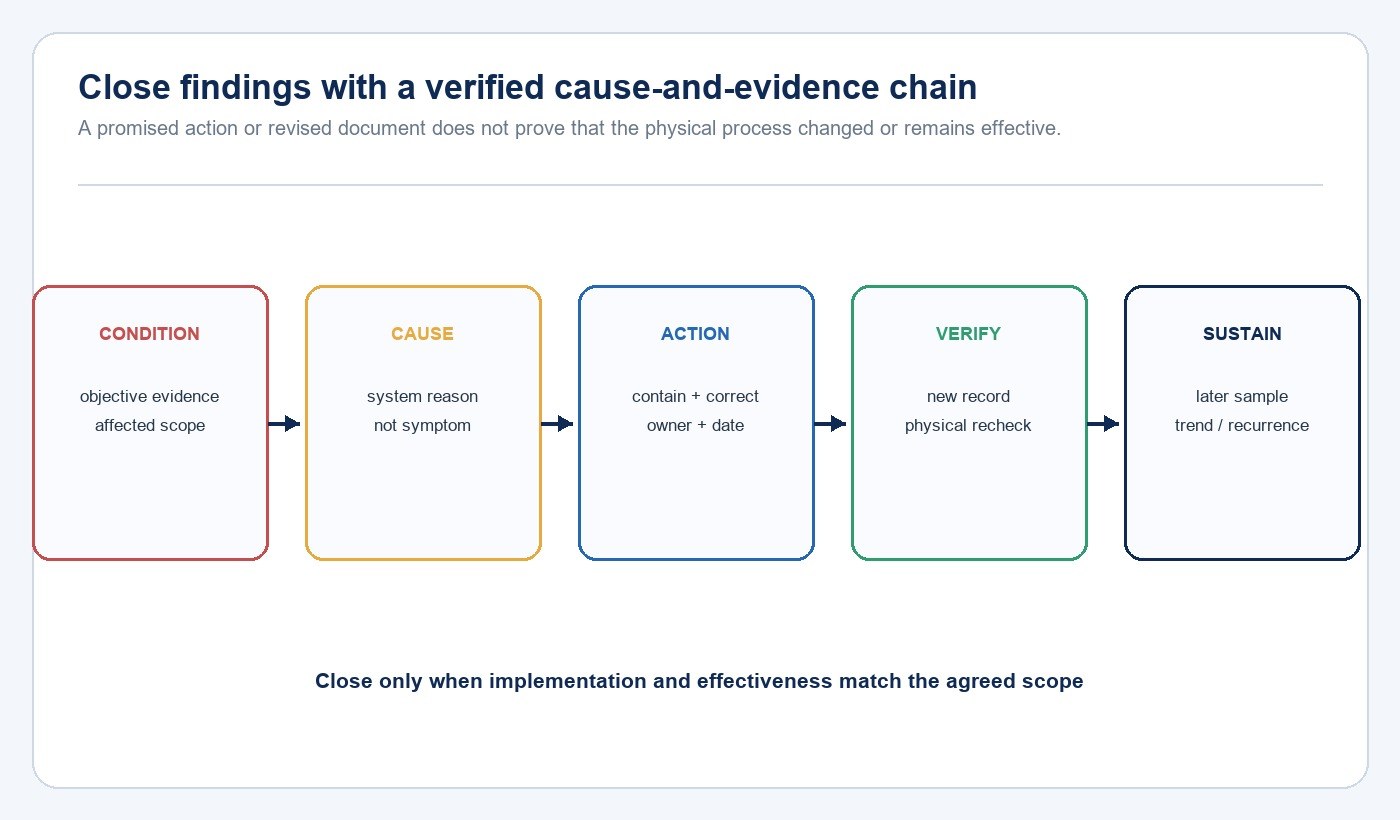
Write each finding as a condition supported by objective evidence, linked to the agreed requirement and affected scope. Distinguish immediate containment from correction and corrective action. A revised procedure can be part of the response, but the closure package should also show implementation at the workstation, training or communication where needed, updated records and disposition of affected material.
Verify effectiveness on a later sample or production lot when recurrence risk is material. If the finding affects shipped product, certification scope, safety or an agreed critical characteristic, define escalation and customer communication before closing the audit. Do not convert a major product risk into a minor paperwork issue because the supplier responded quickly.
LED Lighting Factory Audit Checklist
- Confirm legal entity, factory address, product family, processes and subcontractors in scope.
- Freeze the audit criteria, current specification and order identity.
- Select samples independently from live or recent production and released stock.
- Trace one requirement from specification through material, work, test and shipment.
- Verify operator instructions, competence evidence, equipment status and failure response.
- Trace one finished lot backward and one component lot forward.
- Review a real change and its validation, approval and obsolete-material controls.
- Check sampling plans against the lot, defect classes and actual selection method.
- Verify certificates and reports against entity, site, model, construction and status.
- Close findings only with implementation and effectiveness evidence.
Use the LED lighting sample evaluation checklist when the audit includes representative product samples. The New Lights download center provides published product materials, while the industrial and warehouse lighting solution helps frame application risks for project-oriented products. Send the audit scope and target product list through the New Lights project enquiry form.
Frequently Asked Questions
Does an ISO 9001 certificate replace a factory audit?
No. It supports the certified management-system scope, while the buyer audit tests the specific factory, product, order and controls required by the purchase.
How many products should a lighting factory audit sample?
There is no universal count. Select enough product families and lots to cover the highest-risk constructions, processes, markets, subcontractors and recent changes.
Should the supplier choose all audit samples?
No. The audit team should retain control of sample selection from defined populations so only prepared examples do not determine the result.
What evidence is needed to close a factory-audit finding?
Use evidence of containment, correction, root cause where required, implemented action, updated records and an effectiveness check proportionate to the risk.
Editorial Sources
- International Organization for Standardization — ISO 19011:2026, Guidelines for auditing management systems: https://www.iso.org/standard/19011
- International Organization for Standardization — ISO 28590:2017, Introduction to the ISO 2859 series for sampling by attributes: https://www.iso.org/standard/64622.html
- International Accreditation Forum — IAF CertSearch certificate verification: https://www.iafcertsearch.org/services/certificate-search