

Choose the supplier that can repeat a defined, verified offer—not automatically the supplier with the lowest unit price or the best-looking sample. A defensible comparison connects the same product identity across quotation, drawings, evidence, sample approval, production release, packaging and shipment acceptance. Price becomes meaningful only after those boundaries match.
Normalize every offer to one requirement baseline
Send the same requirement sheet to every bidder. Define target market, application, electrical system, installation constraints, controls, photometric needs, quantities, Incoterm, packaging, warranty basis, document list and acceptance criteria. Require suppliers to separate included items, options and deviations.
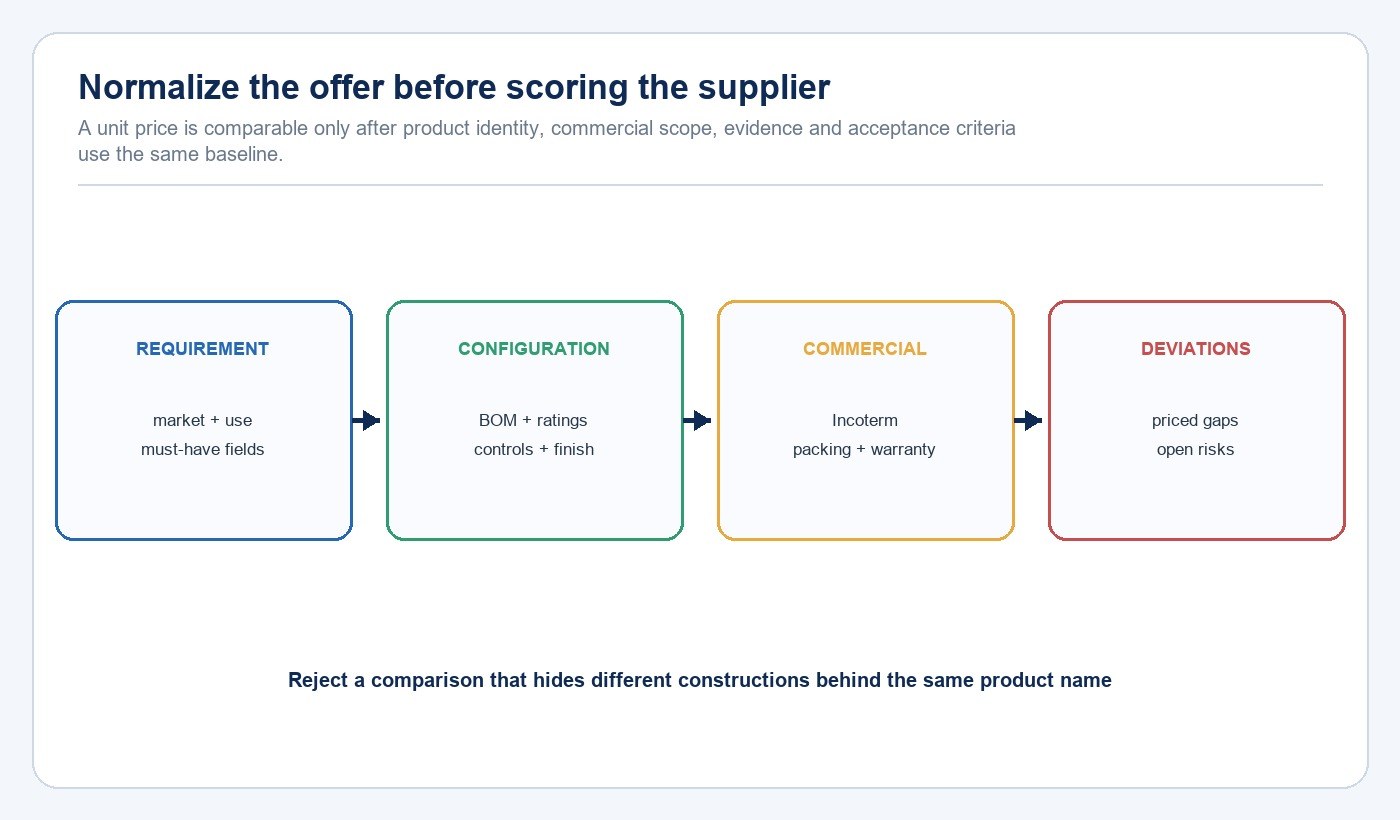
The quotation should identify the exact model and revision. The same reference should appear on the drawing, datasheet, sample label, test evidence and packaging specification. If one supplier prices a different driver, housing, optic, finish or control function, treat that as a technical deviation rather than a cheaper version of the same offer.
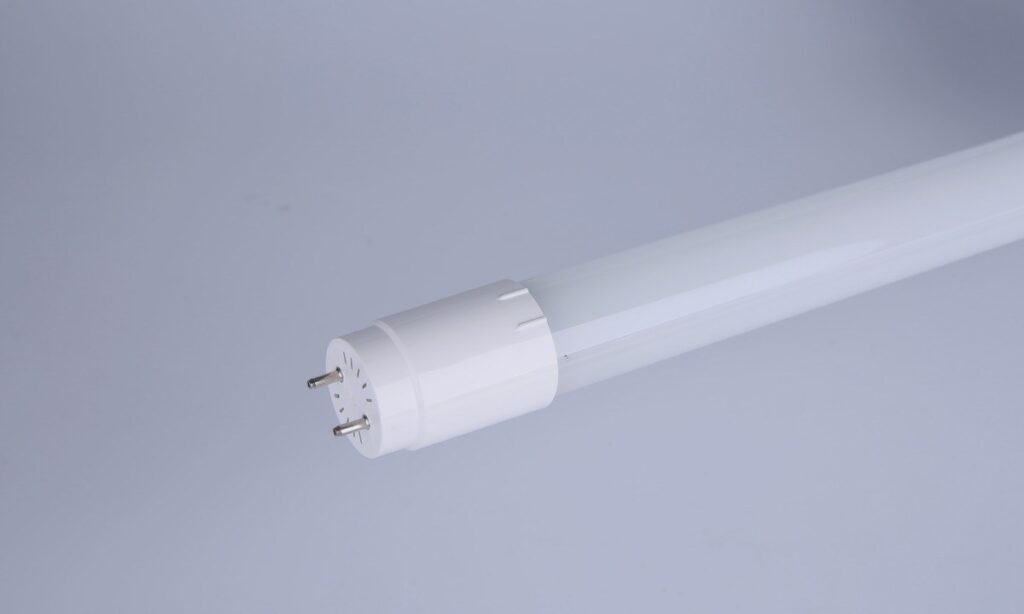
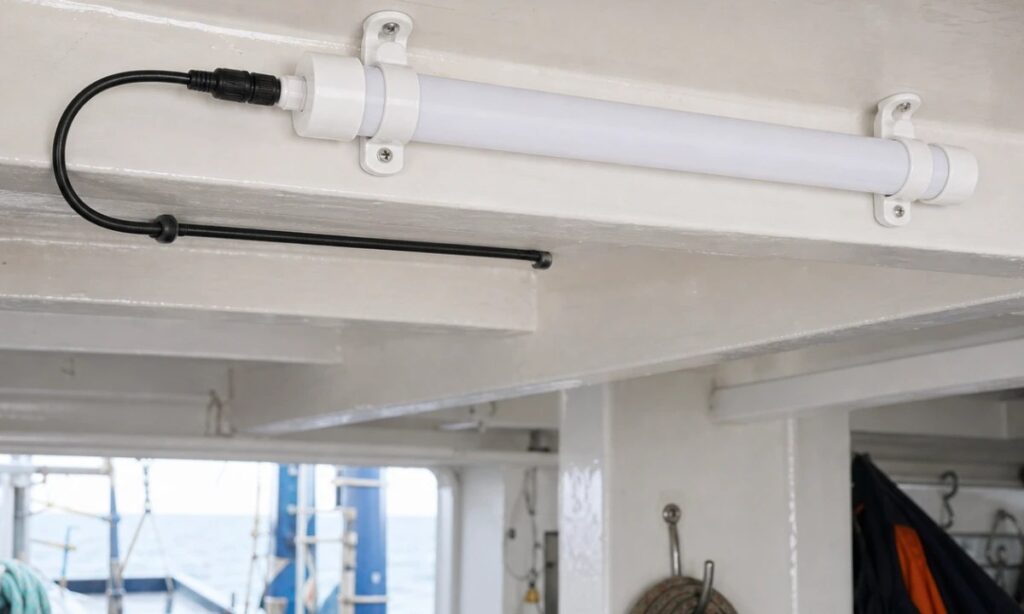
For a concrete RFQ, a surface-mounted T8 integrated LED fixture provides a product-level starting point, while the industrial and warehouse lighting solution helps define application and installation requirements. Exact ratings and evidence still belong to the selected model and market.
Convert unit price into a total delivered-cost model
The US Department of Energy’s Federal Energy Management Program uses functional requirements and life-cycle cost in its commercial and industrial LED luminaire procurement guidance. A private importer is not automatically subject to that federal purchasing program, but the transparent calculation principle is useful: state operating hours, energy price, maintenance, controls, access and expected service conditions instead of repeating a generic savings claim.
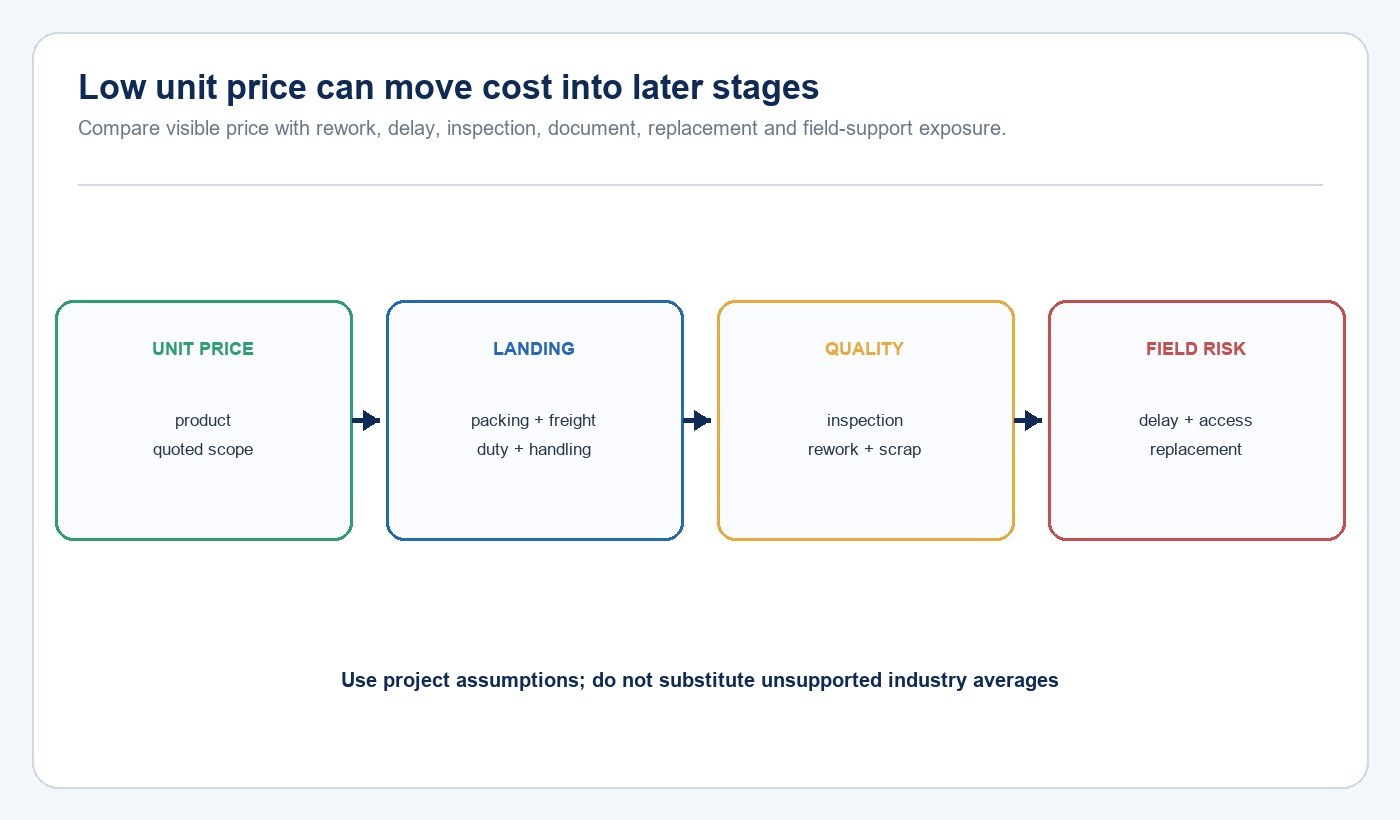
Use project assumptions rather than industry averages. A simple decision model can include product price, packaging, freight, duty, incoming inspection, expected rework, schedule exposure, replacement handling and site access. Keep confirmed values separate from estimates so the buyer can test how the ranking changes.
Build an evidence hierarchy for the exact model
Evidence has different purposes. A certificate can establish only the scope shown on that certificate; a laboratory report records a particular sample and test; a declaration identifies the responsible party and applicable requirements; production records show whether the delivered configuration still matches what was approved.
| Evidence layer | Decision it supports | Failure signal |
|---|---|---|
| Quotation and drawing | What is actually offered | Model or revision differs across files |
| Datasheet and photometry | Represented technical performance | Values lack method, conditions or model mapping |
| Reports and certificates | Tested or certified scope | Family name is used without covered-model evidence |
| Declaration and labels | Market-facing responsibility and claims | Signatory, standards, ratings or model identity conflict |
| Production and inspection | Repeatability of shipped goods | No link between approved sample, BOM and shipment |
For EU energy labelling where applicable, the European Commission explains that an EU importer placing a product from a third country on the Union market can be considered the supplier and carry the associated obligations. Overseas documentation support does not transfer every legal responsibility. Use the LED product compliance document checklist to map each requirement, report, declaration, label and instruction to the exact order code.
Treat the sample as a controlled reference
Plan the sample review before it arrives. Record model label, terminals, accessories, packaging marks, dimensions, construction and the intended switching or control setup. Define which measurements are acceptance checks and which require laboratory evidence.
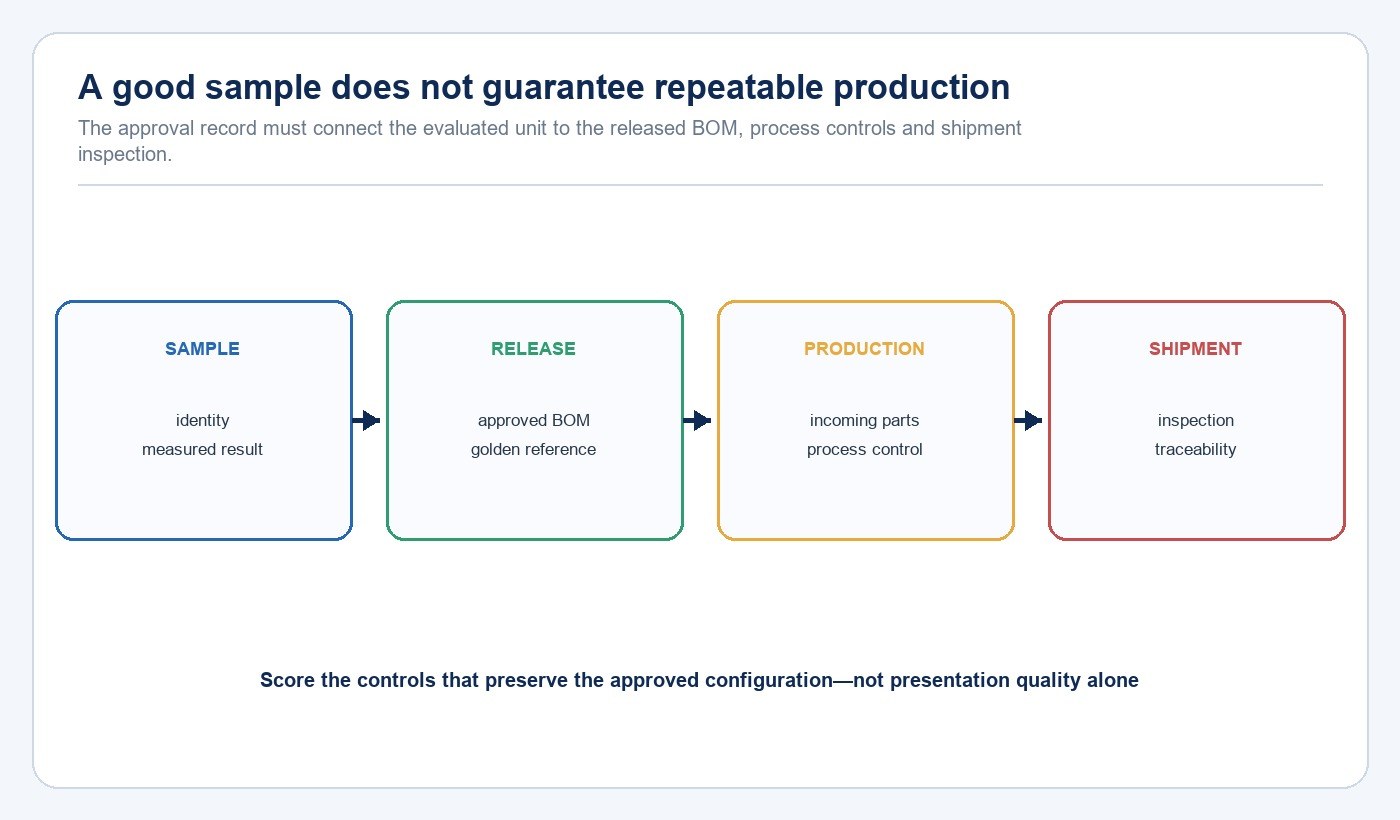
The LED lighting sample evaluation checklist provides a structured approval record. It should identify every deviation, corrective action and open point. A sample passes only within the defined checks; it does not prove that later production will remain identical.
Test sample-to-production repeatability
The second-order question is not “Can the supplier make one acceptable unit?” It is “Which controls keep thousands of units within the approved definition?” Review incoming-component identity, BOM revision, work instructions, first-piece approval, in-process checks, final inspection, nonconformance handling and traceability.
The supplier factory audit checklist can be used to compare stated procedures with records and production controls. A polished factory tour or presentation should not outrank traceable examples of how a deviation was identified, contained and closed.
Score evidence and unresolved risk separately
Do not give full credit because a field is non-empty. Score both the evidence and the remaining uncertainty.
| Decision area | Pass evidence | Risk that remains visible |
|---|---|---|
| Product identity | One model and revision across all records | Unmapped variants or substitutions |
| Performance | Model-specific values with method and conditions | Family averages or unsupported claims |
| Compliance support | Current files mapped to market and model | Unclear responsibility or scope |
| Repeatability | Released BOM, controls and inspection records | Sample cannot be traced to production |
| Delivery | Approved packing and dated milestone evidence | Capacity claim lacks assumptions |
| Support | Named issue and change process | Warranty exists without response workflow |
Use a mandatory-fail column for conditions that cannot be traded against price, such as missing product identity, unresolvable safety evidence or refusal to disclose material substitutions. Weighting is useful only after these boundaries are explicit.
Review change control before supplier approval
Drivers, LEDs, optics, batteries, cables, connectors, finishes, firmware and labels can affect performance or evidence. Ask who can approve substitutions, how affected models are identified and how far in advance notice is required.
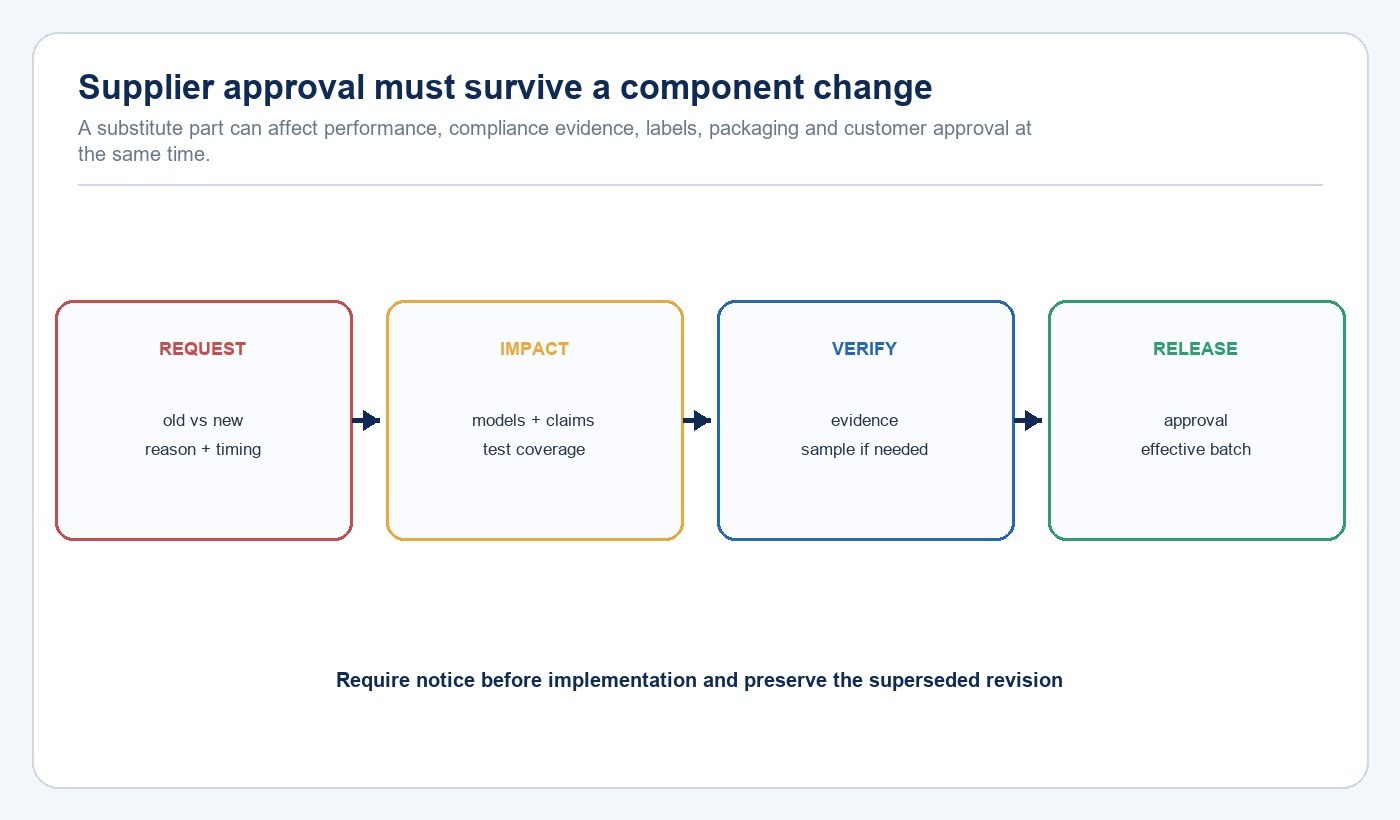
The change request should show old and new parts, reason, affected models, expected impact, verification plan, approval owner and effective batch. Preserve the previous revision. The EU Digital Product Passport data-readiness guide explains how the same control can keep product data synchronized with production.
Include packaging, delivery and issue response
Treat artwork, labels, manuals, inner protection, carton construction, pallet pattern and mixed-model controls as part of the offer. Define inspection sampling, release evidence and shipment milestones. Capacity statements should identify product mix, tooling, lines, shifts and component lead times.
Supplier approval should also define what happens after a failure: response owner, containment timing, root-cause evidence, replacement decision and change approval. Review the New Lights factory and manufacturing overview when aligning production and quality-control expectations, and use the download centre for currently released product files.
Supplier approval checklist
- Issue one controlled requirement set to every bidder.
- Normalize commercial terms, packaging and deviations.
- Match every file to the quoted model and revision.
- Test a controlled sample in the intended setup.
- Verify the controls connecting sample, BOM, production and shipment.
- Define component-change notice and approval triggers.
- Score unresolved risk separately from confirmed capability.
- Approve product, documents and packaging before release.
Frequently Asked Questions
What makes two supplier prices comparable?
The product configuration, quantity, commercial terms, packaging, warranty basis, evidence and acceptance criteria must match, or every difference must be described and priced.
Can a certificate logo prove the offered model is covered?
No. Check the issuing body, holder, standard, model list, configuration, validity and scope against the exact offer.
When should a supplier approval be reopened?
Reopen it when a change affects product identity, construction, performance, safety, EMC, controls, market documents, labels, packaging or agreed customer criteria.
Build the comparison file before negotiating the last cent
For a supplier comparison, contact New Lights with the application, target market, quantities, commercial basis, required documents and acceptance criteria. A controlled matrix makes price negotiation more useful because the buyer can see which risks have actually been resolved.