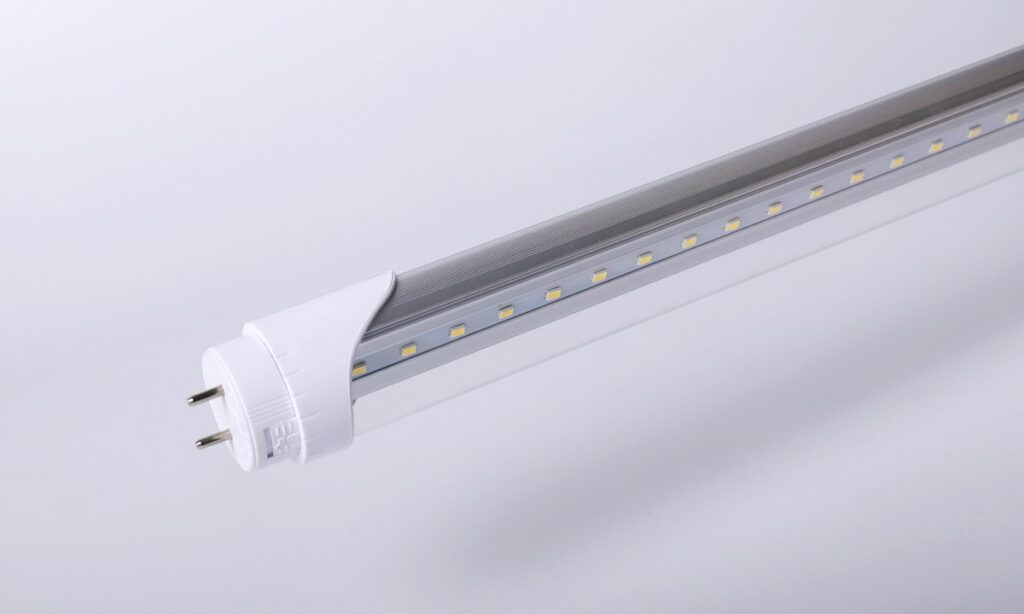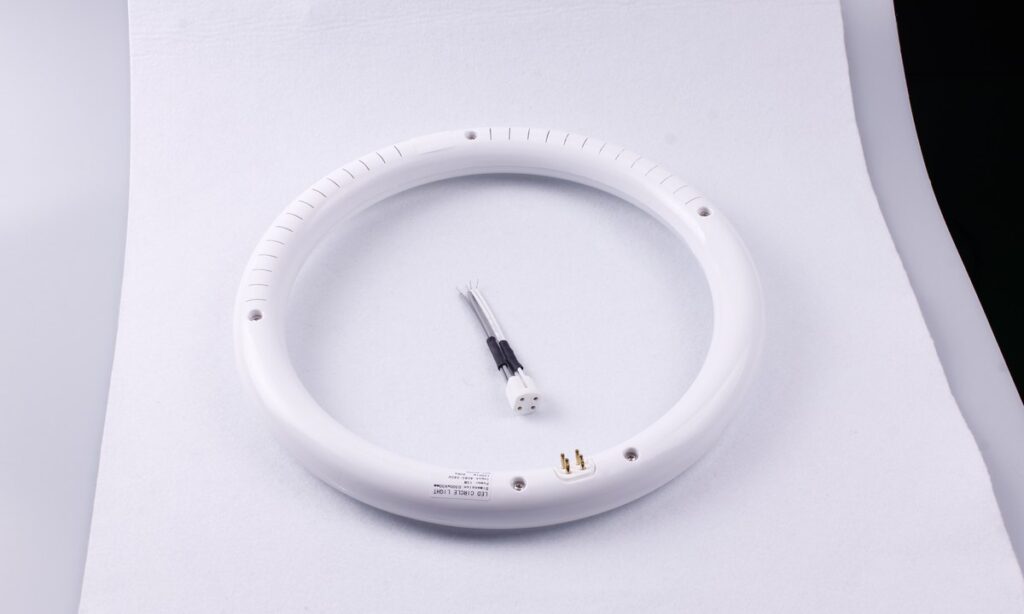


An OEM or ODM LED lighting RFQ should define what is fixed, what may change and who approves each decision before a supplier calculates price and lead time. Classify the project first, then issue one controlled requirement matrix covering market, product configuration, performance, evidence, artwork, samples, commercial terms and change ownership.
Separate Existing-Platform Customization From Development
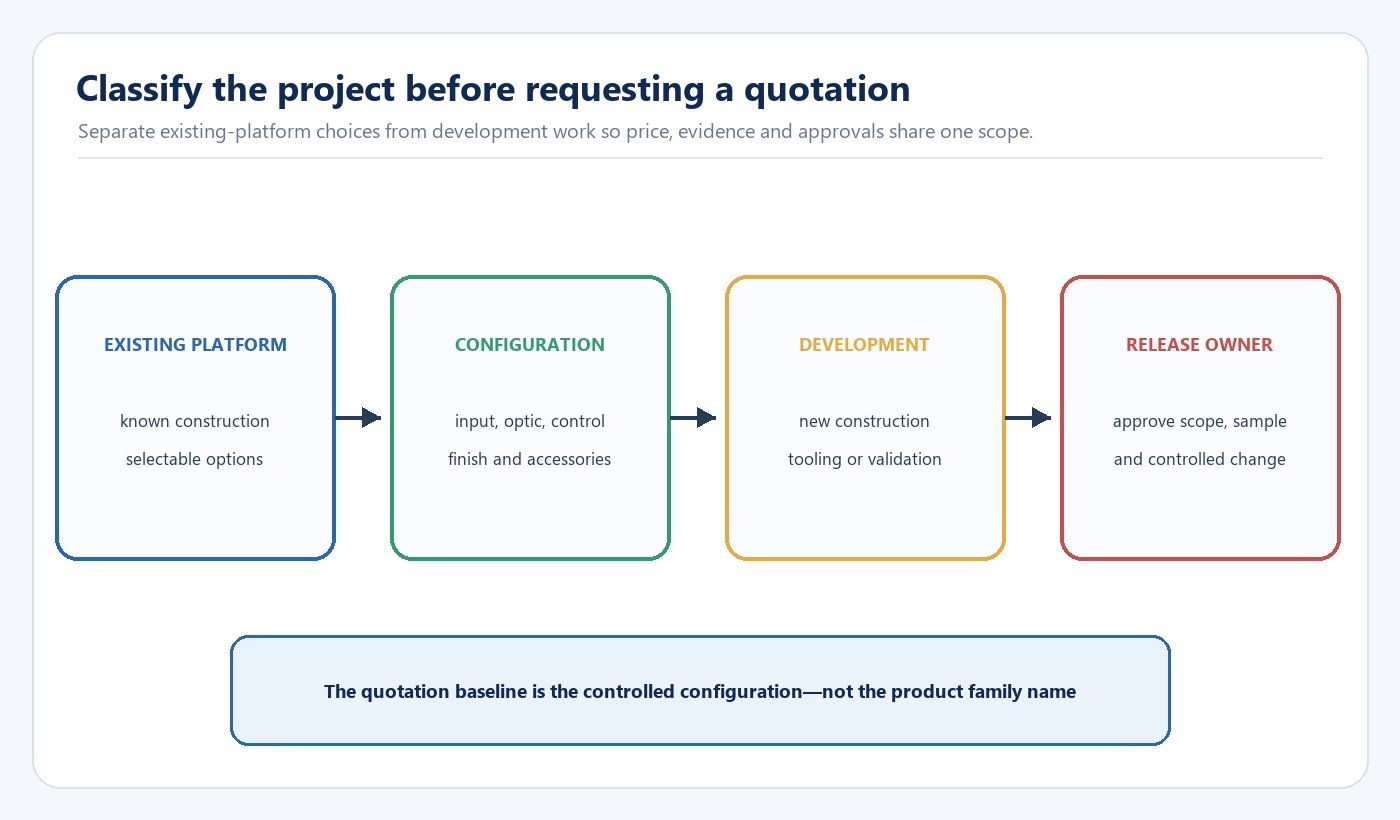
For this RFQ, use “OEM” for configuration or branding based on an existing product platform and “ODM” for work that needs new design decisions, tooling or engineering validation. These labels are not universal contractual definitions, so describe the actual scope rather than relying on the acronym.
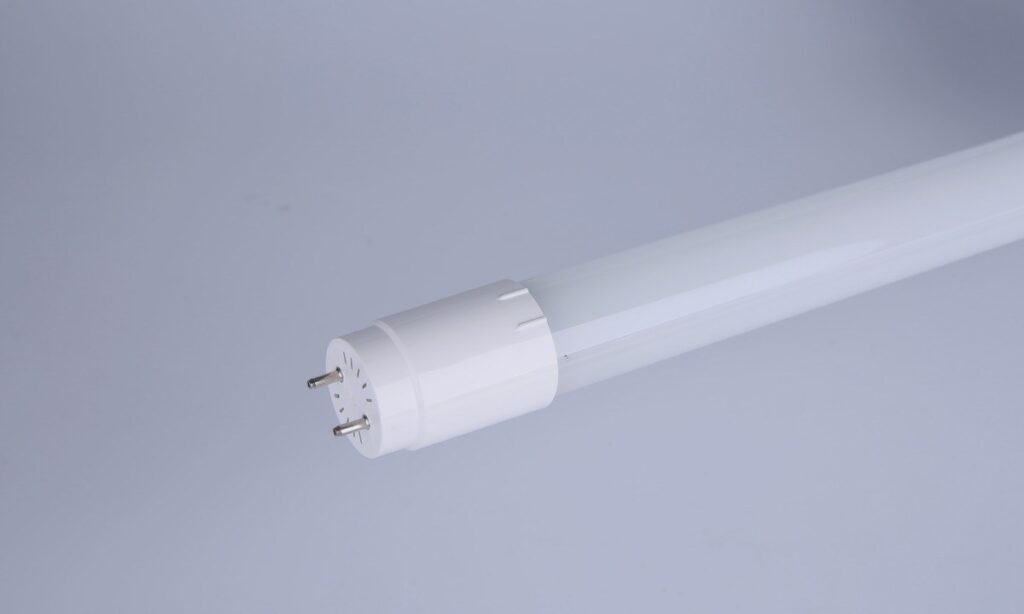
Start with the reference product and identify every selectable option. Then list each deviation: a new housing dimension, driver, optic, control interface, battery, connector, finish, label, package or firmware change. A project can begin on an existing platform and still include development work. The quote should separate the stable baseline from those open items.
The European Commission’s 2022 Blue Guide explains that, within applicable EU product rules, a person that has a product manufactured and places it on the market under its own name or trademark can be considered the manufacturer. Branding is therefore not only an artwork decision. Record destination, brand owner, importer and other responsible economic operators before labels and declarations are released, then confirm the legislation applicable to the exact product.
Build One Requirement and Responsibility Matrix
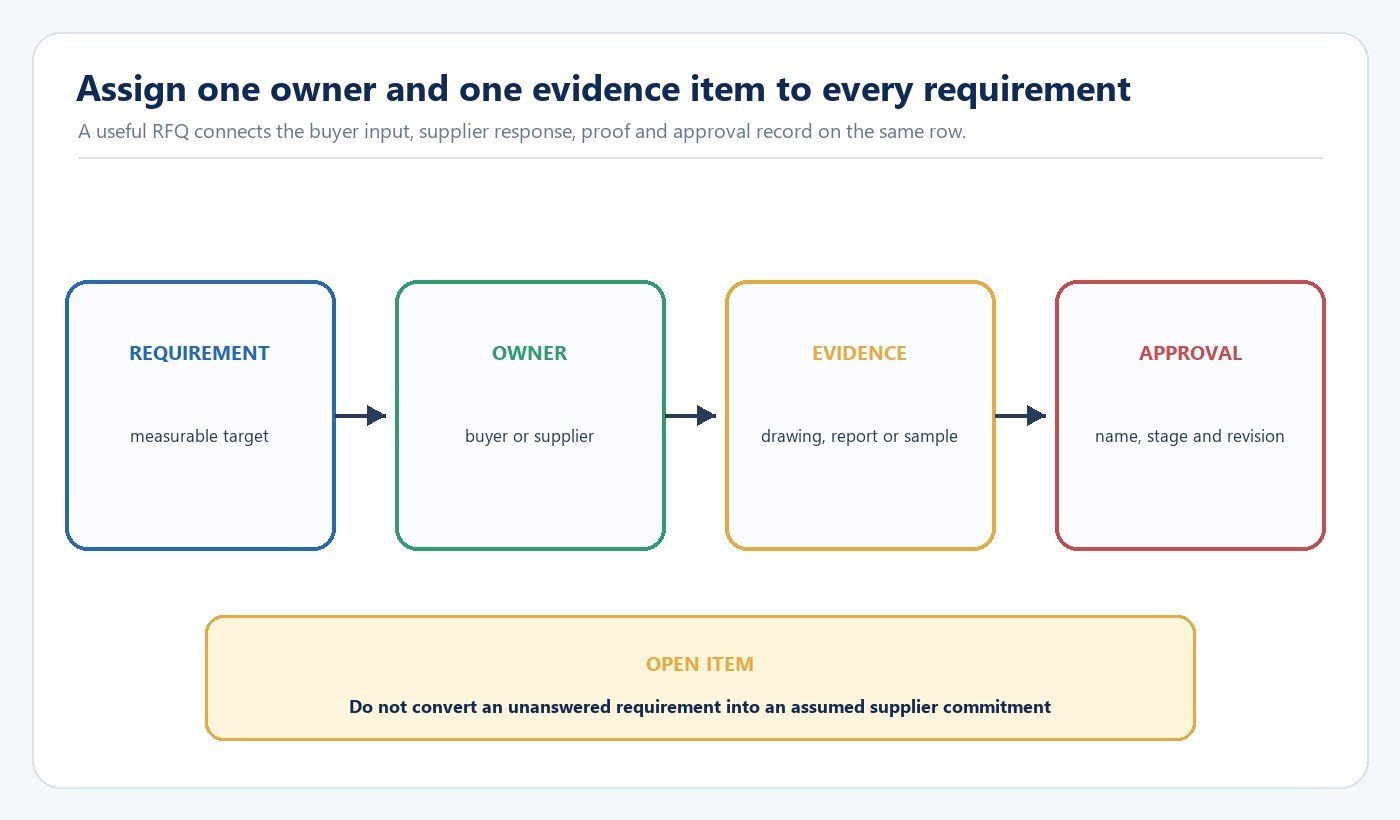
A comparable RFQ keeps buyer inputs and supplier confirmations in different fields. If a target is not yet confirmed, mark it open instead of allowing an assumption to become part of the price. Use a status such as required, supplier confirmed, deviation proposed, evidence pending or approved.
| RFQ area | Buyer input | Supplier response | Release evidence |
|---|---|---|---|
| Project identity | Market, channel, brand, volume, launch window | Scope and feasibility | Responsibility map |
| Product baseline | Reference model and allowed options | Exact offered configuration | Drawing and configuration matrix |
| Performance | Target plus operating condition | Confirmed value and tolerance | Datasheet and test plan |
| Market evidence | Destination and applicable obligations | Coverage and document owner | Reports, declarations and labels |
| Artwork and packaging | Languages, legal data, dielines, barcode | Print limits and controlled files | Approved proofs and revision index |
| Release | Sample stages and approvers | Schedule and deliverables | Signed baseline and change record |
This matrix should be the single source used for quotation, sampling and release. Meeting notes and email can explain a decision, but the approved result belongs in the controlled matrix.
Define the Market and Exact Product Baseline
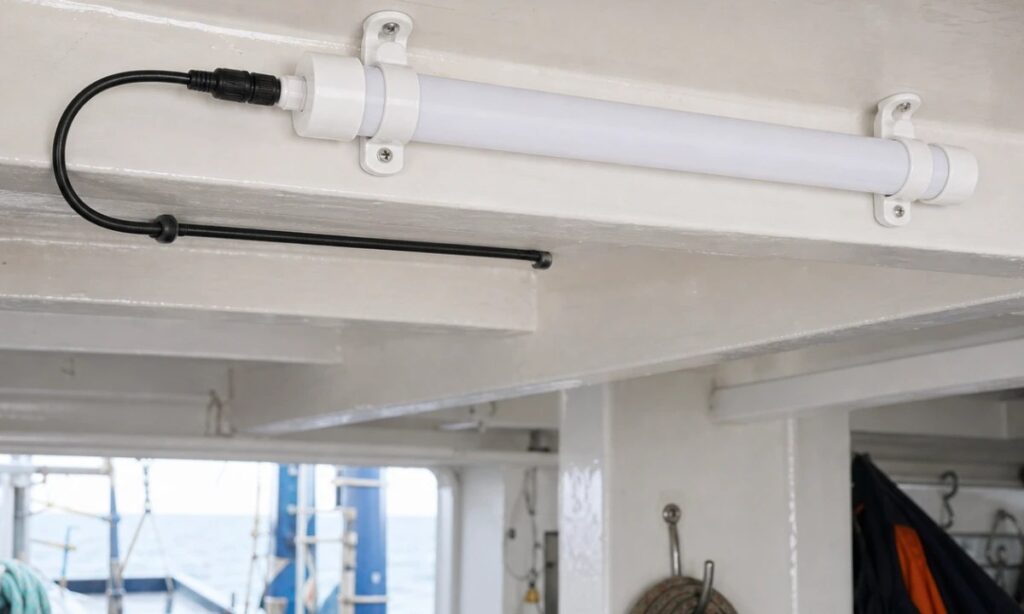
List destination countries, sales channel, intended user, installation type and environmental conditions. Identify every option that can alter construction, evidence or price: input, power, CCT, optics, controls, battery, cable, plug, mounting, finish and included accessories.
IEC 60598-1:2024 specifies general safety requirements for luminaires operating from supplies up to 1,000 V. It is a general luminaire standard, not proof that every product or destination uses the same complete standard set. Confirm the relevant product-part standard, market rules and edition for the offered configuration.
The baseline should include a model code, drawing revision, bill-of-material or controlled configuration reference, and a list of approved variants. A family description can support organization, but it should not hide differences that affect safety, optical performance, controls, labeling or cost. The LED product compliance document checklist provides a model-level evidence structure.
Write Measurable Requirements and Decision Boundaries
Replace adjectives with conditions. “High quality,” “long life” and “good dimming” do not define an acceptance method. For each requirement, record the operating condition, tolerance, test or review method, evidence expected and the person who can approve a deviation.
| Weak request | Controlled requirement format |
|---|---|
| Bright enough | Target output or application result, condition, tolerance and method |
| Good color | CCT, color-rendering criteria, consistency boundary and evidence |
| Dimmable | Protocol, controller, driver range, minimum stable level and state behavior |
| Waterproof | Required location, ingress boundary, construction and applicable test evidence |
| Custom box | Dieline, material, print reference, legal data, barcode and proof owner |
Separate requested values from supplier-confirmed values until the evidence is reviewed. If a requirement conflicts with the platform, the supplier should propose a named deviation with its effects on tooling, testing, lead time, minimum order and unit price.
Use Real Production Context Without Turning a Photo Into a Claim

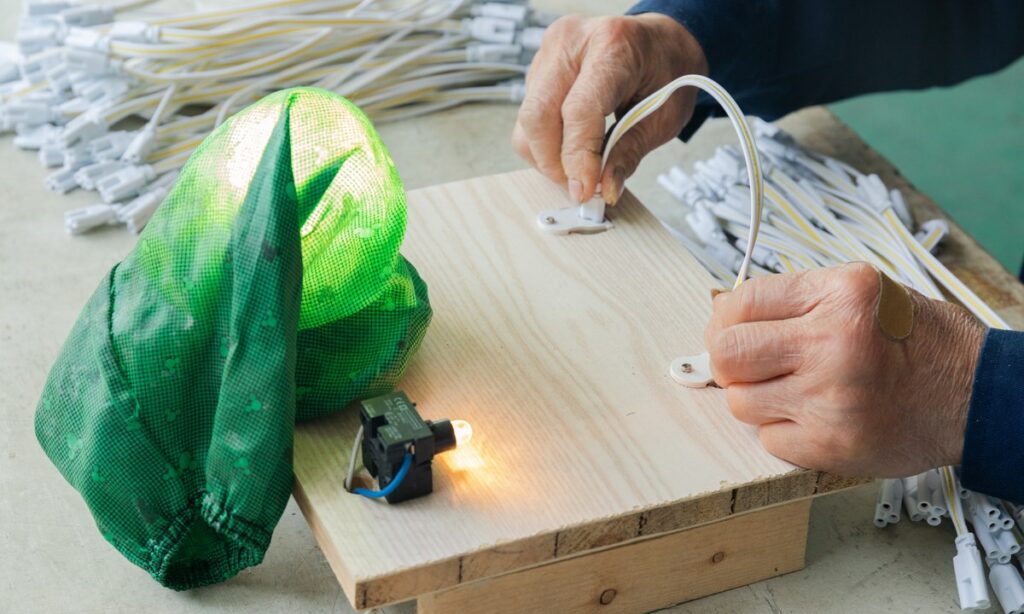
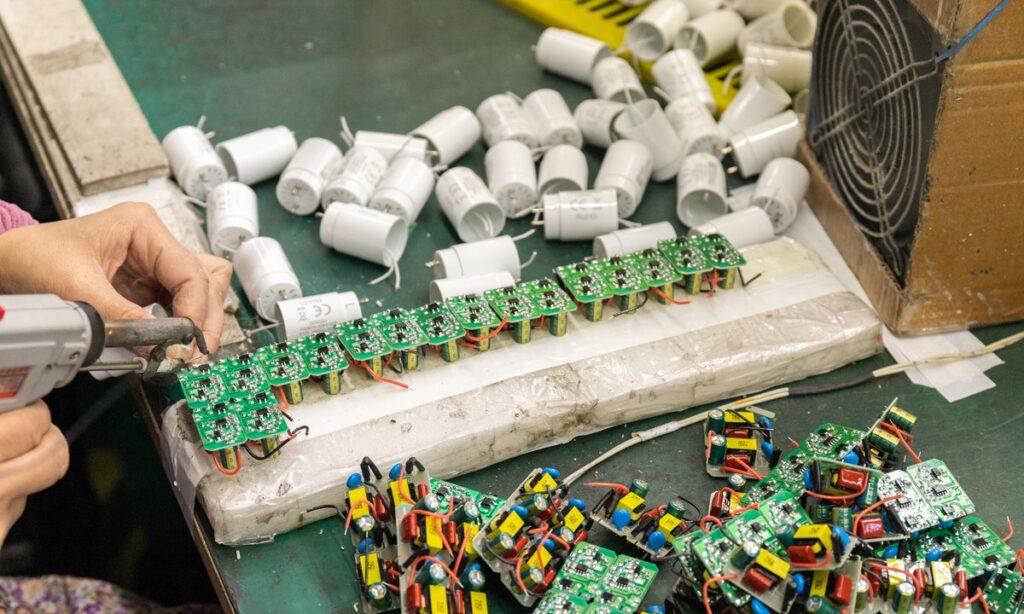
The factory image provides real organizational context for manufacturing discussions. It does not replace a project-specific process flow, inspection plan, controlled materials list or production record. For an RFQ, ask which steps and records apply to the offered product and who owns each release.
This distinction matters for E-E-A-T: first-party photography supports the existence of the pictured environment, while technical conclusions still need the appropriate document or record. The factory and manufacturing overview is the relevant capability destination; the RFQ remains responsible for the exact deliverables.
Use Staged Samples and Explicit Release Gates
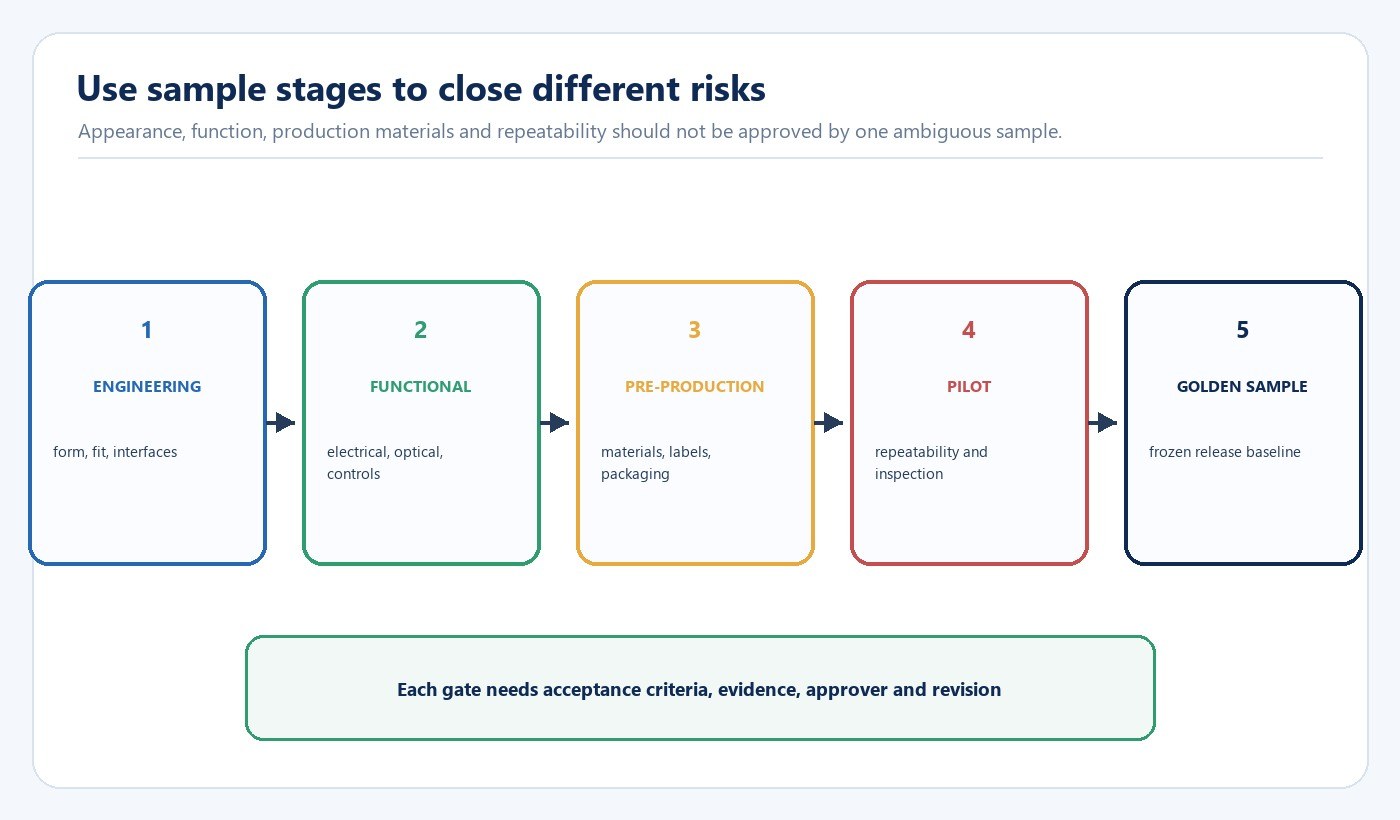
An engineering sample can confirm form, fit and interfaces while still using provisional materials. A functional sample should carry the agreed electrical, optical and control configuration. A pre-production sample should represent production materials, labels, packaging and documentation. Pilot production checks repeatability and the inspection method. The golden sample freezes the approved reference.
Do not call every sample “final.” State what each stage can approve and what remains open. Use the LED lighting sample evaluation checklist to reconcile the physical sample, quotation, drawing, label and evidence index before signing a release.
Control Artwork, Packaging and Shipment Information
Issue approved source files for the product label, rating label, unit box, master carton, manual, barcode and shipping marks. Define languages, legal names, contact data, color references, dielines, packaging materials and version identifiers. The supplier should flag missing data, collisions and print limitations before production artwork is approved.
Product, carton and shipment identifiers need to remain aligned. The export packaging, labeling and documentation guide explains how to keep those layers connected. Artwork changes that affect legal information, traceability or product identity must return to the responsible reviewer.
Make Quotations Comparable
Request unit price against the same Incoterm, currency, quantity, configuration and included services. Separate tooling, certification, artwork, samples, packaging, testing, freight and optional accessories. Record minimum order quantities, lead-time assumptions, payment terms, warranty process, spare parts and forecast flexibility.
A lower unit price may represent a different configuration or excluded task. Compare the complete released scope, not the last number on a spreadsheet. If a supplier offers an alternative, require a deviation list showing the technical, evidence, cost and schedule effects.
Keep the Released Product Inside Change Control
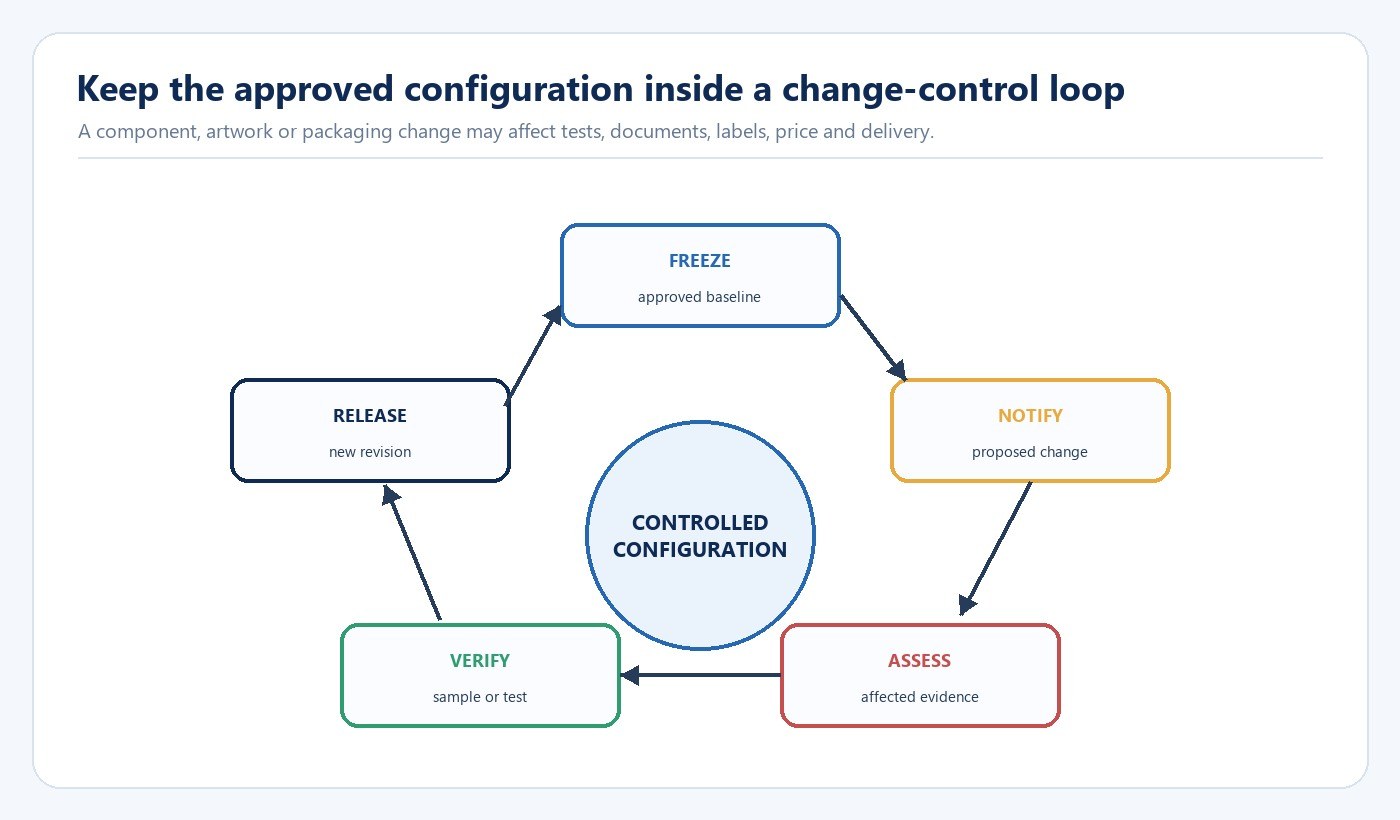
Freeze the approved configuration and define which changes require notification. A driver, LED module, optic, cable, connector, housing, finish, firmware, label, manual or package change may affect tests, documents, sample equivalence, price or delivery.
For each proposal, identify affected requirements and evidence, decide whether a new sample or test is needed, record approval or rejection, and issue a new controlled revision. The previous approved state should remain recoverable. This protects both buyer and supplier from an undocumented parallel specification.
RFQ Release Checklist
- The existing platform, selectable options and development work are separated.
- Market, channel, brand owner, importer and document owners are identified.
- Every product option has a value, owner or open-question status.
- Performance requirements include condition, tolerance, method and evidence.
- Artwork, packaging and legal data responsibilities are assigned.
- Sample stages, acceptance criteria and approvers are written.
- Quotation assumptions and exclusions can be compared line by line.
- The approved configuration and change-notification route are controlled.
Review relevant New Lights product families to select the initial platform, then send the controlled matrix and available drawings through the contact page.
Frequently Asked Questions
Does a private-label project remain a simple logo change?
Not necessarily. Branding can change labels, documentation and the responsible legal role in some markets. Confirm the destination, applicable rules and document ownership before artwork approval.
Can one test report cover every product option?
Only when the coverage is documented. Match each ordered configuration to the tested sample or to an evidence-backed family relationship, and identify which differences require additional review.
Which sample should become the golden sample?
Use the sample that represents the approved production configuration, labels, packaging and evidence index. Earlier engineering samples may remain useful records but should not silently become the production baseline.
What should trigger re-approval?
Any change that can affect construction, performance, controls, safety, market evidence, labels, packaging, compatibility, price or delivery should enter the agreed change-control process.
Editorial Sources
- IEC, “IEC 60598-1:2024 — Luminaires — Part 1: General requirements and tests”: https://webstore.iec.ch/en/publication/66620
- European Commission, “The Blue Guide on the implementation of EU product rules 2022”: https://eur-lex.europa.eu/legal-content/EN/TXT/?uri=CELEX%3A52022XC0629%2804%29